

Holistic wellness is defined as the integration of physical, mental, emotional, social, and spiritual health into one unified approach to care. The benefits of holistic wellness approaches extend well beyond symptom relief. Integrative care produces higher patient satisfaction, better quality of life, and stronger adherence to healthy behaviors compared to conventional care alone. People who adopt these practices report improvements in immune function, pain management, mental clarity, and long-term disease prevention. This guide breaks down the most significant advantages, backed by clinical evidence, and shows you how to put them to work in your daily life.
1. Benefits of holistic wellness approaches for physical health
Physical health is the most visible dimension of integrative wellness, and the evidence for its improvement is strong. Yoga and meditation decrease inflammation markers and lower stress hormones, improving heart health and reducing chronic disease risk. That means consistent practice directly changes your body’s chemistry, not just your mood.
Key physical benefits include:
- Reduced inflammation: Mind-body practices lower C-reactive protein and cortisol, two key markers of systemic inflammation.
- Improved cardiovascular health: Regular yoga practice lowers resting heart rate and blood pressure over time.
- Chronic pain relief: Acupuncture and mindfulness change how the brain processes pain signals and reduce inflammatory responses, providing measurable relief.
- Reduced medication dependence: Integrative medicine supports chronic disease management through lifestyle and nutritional changes, which often reduces the need for prescription drugs.
- Lower hospital costs: People with chronic pain who received integrative care saw a 4% decrease in hospital costs, saving $898 per admission. That figure reflects real financial relief for people managing long-term conditions.
For more on managing inflammation through natural methods, see SuperNatural Supplements’ guide to natural inflammation management.
Pro Tip: Start with one manageable change, such as a 10-minute daily walk or swapping one processed meal for whole foods. Small physical shifts build the foundation for larger wellness gains.

2. Mental clarity and emotional balance from integrative practices
Mental health is not separate from physical health. It is woven into every system in your body, and integrative wellness treats it that way.
Mindfulness meditation reduces cortisol and anxiety while improving the brain regions linked to emotional regulation and mental clarity. Brain imaging studies confirm these structural changes, meaning meditation physically reshapes how your brain handles stress.
Practices that support mental and emotional wellness include:
- Mindfulness meditation: Even 10 minutes daily reduces anxiety and sharpens focus within weeks.
- Journaling: Writing about thoughts and emotions helps identify patterns, reduces rumination, and builds self-awareness.
- Breathwork: Controlled breathing activates the parasympathetic nervous system, shifting the body out of fight-or-flight mode.
- Therapy and counseling: Cognitive behavioral therapy combined with mind-body practices produces stronger outcomes than either approach alone.
- Conscious communication: Practicing honest, clear communication in relationships reduces emotional stress and builds resilience.
- Social connection: Close social relationships reduce blood pressure, lower stress hormones, and improve survival odds for serious conditions. Community is not optional in a complete wellness plan.
Spiritual well-being, whether through religious practice, meditation, or time in nature, adds another layer of emotional stability. People who report a sense of purpose show lower rates of depression and anxiety across multiple population studies.
3. How personalized, collaborative care improves outcomes
Integrative wellness works best when it is tailored to you. Generic programs produce generic results. Personalized care, built around your specific health history, goals, and lifestyle, produces lasting change.
Successful integrative programs emphasize patient education, shared decision-making, and empowerment. That means your provider explains the “why” behind each recommendation, and you have a real voice in your care plan. Adherence rates rise sharply when people understand and agree with their treatment.
Key elements of effective collaborative care:
- Interdisciplinary teams: Physicians, nutritionists, mental health counselors, and physical therapists working together produce better outcomes than any single provider working alone.
- Valid assessment tools: Standardized measures of pain, mood, sleep, and function help track progress objectively. Systematic reviews confirm that interdisciplinary teamwork and proper assessment tools are critical for effective integrative healthcare.
- Gradual lifestyle changes: Small, evidence-based shifts build sustainable habits. Drastic overhauls rarely stick.
- Patient empowerment: Education about self-care strategies gives you the tools to maintain progress between appointments.
For practical examples of sustainable lifestyle shifts, SuperNatural Supplements covers healthy lifestyle habits that actually work in daily life.
Pro Tip: Before your next provider visit, write down your top three wellness goals and one barrier you face. That preparation turns a routine appointment into a real planning session.
4. Comparing common integrative wellness practices
Different practices address different needs. The table below summarizes the most evidence-supported approaches, their primary benefits, and practical considerations.
| Practice | Primary benefit | Best for | Consideration |
|---|---|---|---|
| Yoga | Reduces inflammation, improves flexibility and heart health | Chronic pain, stress, cardiovascular risk | Requires consistent practice; modify for injuries |
| Mindfulness meditation | Lowers cortisol, improves emotional regulation | Anxiety, depression, mental clarity | Benefits build over weeks, not days |
| Acupuncture | Alters pain processing, reduces inflammation | Chronic pain, headaches, musculoskeletal issues | Seek a licensed practitioner |
| Nutritional therapy | Reduces disease risk, supports immune function | Chronic disease prevention, energy, weight | Works best with professional guidance |
| Herbal supplements | Supports inflammation, immunity, and cognition | Complementing lifestyle changes | Bioavailability matters; quality varies widely |
| Chiropractic care | Addresses musculoskeletal pain and mobility | Chronic back and neck pain | Combines well with other integrative methods |
Cost-effectiveness is a real advantage of these approaches. Reduced medication use and lower hospital admissions translate directly into financial savings for individuals and health systems alike.
5. How to start and maintain a successful wellness routine
Starting an integrative wellness routine does not require a complete life overhaul. The most effective programs begin with one or two changes and build from there.
- Set realistic, specific goals. “I want to sleep better” is a goal. “I will follow a consistent sleep schedule for 30 days” is a plan. Specificity drives follow-through.
- Start with sleep and stress management. Beginning with foundational habits like sleep hygiene and stress reduction creates the stability needed for other changes to take hold.
- Add movement gradually. A 15-minute daily walk is more sustainable than a five-day gym program that collapses after two weeks.
- Improve nutrition incrementally. Add one vegetable serving per day before cutting anything out. Addition is psychologically easier than restriction.
- Build a mind-body practice. Choose one: meditation, breathwork, or yoga. Practice it daily for 21 days before evaluating.
- Track your progress. A simple journal or health app creates accountability and reveals patterns you would otherwise miss.
- Communicate with your provider. Inform your primary care provider about all complementary approaches you use. This protects you from interactions and ensures your full care team is aligned.
- Avoid the all-or-nothing trap. Missing one day does not erase progress. Consistency over months matters far more than perfection over a week.
Holistic wellness is not a destination you reach. It is a practice you maintain, and the benefits compound over time.
Key takeaways
Integrative wellness approaches improve health outcomes by treating the whole person, combining physical, mental, emotional, social, and spiritual care into one evidence-based system.
| Point | Details |
|---|---|
| Physical health improves measurably | Yoga, acupuncture, and nutrition lower inflammation, reduce pain, and cut hospital costs. |
| Mental clarity follows consistent practice | Mindfulness meditation reshapes brain function and reduces cortisol within weeks of daily use. |
| Personalized care drives lasting results | Shared decision-making and interdisciplinary teams produce stronger adherence and satisfaction. |
| Start small and build steadily | Sleep hygiene and stress management are the most effective entry points for a new wellness routine. |
| Supplement quality determines impact | Bioavailability of herbal supplements varies widely; choose formulations backed by clinical evidence. |
What I have learned from years of watching people pursue wellness
Most people approach wellness the same way they approach a diet: they go all in, burn out, and conclude that it “didn’t work.” That is not a failure of willpower. It is a failure of strategy.
The people who see lasting results from integrative wellness are not the ones who overhaul everything at once. They are the ones who pick one practice, do it consistently, and let the results motivate the next step. A person who meditates for 10 minutes every morning for six months will outperform someone who tries every wellness trend for two weeks each.
We have also seen that social health is the most underestimated dimension of wellness. People obsess over supplements and sleep trackers while neglecting the relationships that research consistently links to lower blood pressure, reduced stress, and longer life. Community is not a soft benefit. It is a clinical one.
The other thing worth saying plainly: supplements work best as complements, not replacements. A well-formulated supplement like SuperNatural Supplements’ BioSoluble Curcumin fills gaps that diet and lifestyle alone cannot always close. But it works because the foundation is already there. Build the foundation first.
— SuperNatural
SuperNatural Supplements and your wellness goals
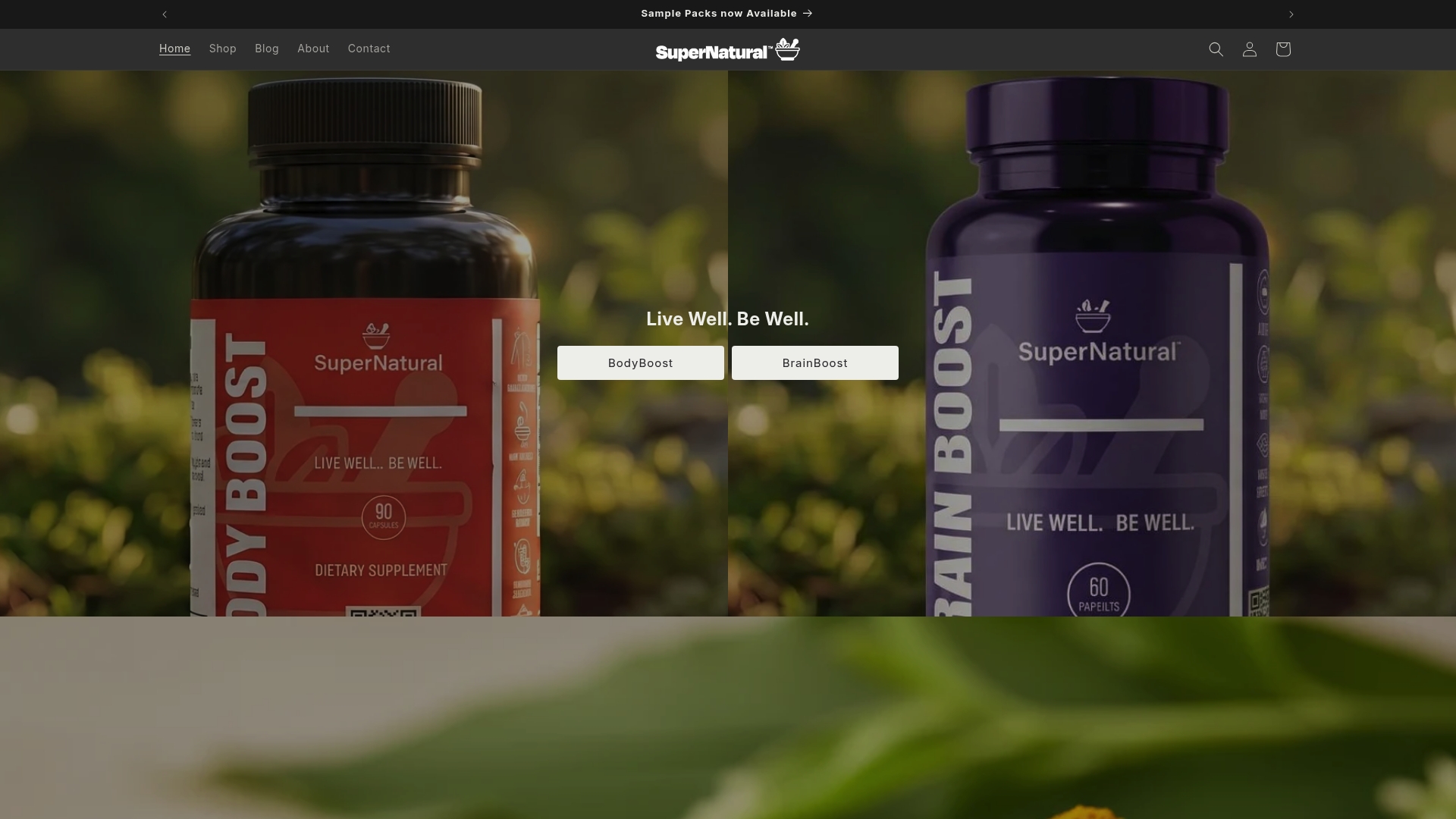
SuperNatural Supplements designs its products to complement the lifestyle work you are already doing. BioSoluble Curcumin uses a patented process that delivers significantly higher bioavailability than standard curcumin, making it a practical tool for managing inflammation at the cellular level. BodyBoost supports immune function for people who want to strengthen their body’s natural defenses. BrainBoost provides advanced cognitive support for mental clarity, which pairs directly with the mind-body practices covered in this guide. Each formula is built to work alongside nutrition, movement, and mindfulness, not instead of them.
FAQ
What is holistic wellness?
Holistic wellness is an approach to health that integrates physical, mental, emotional, social, and spiritual well-being rather than treating symptoms in isolation. It combines evidence-based conventional medicine with complementary practices like nutrition, mindfulness, and movement.
What are the main benefits of integrative wellness practices?
Integrative wellness reduces inflammation, improves mental clarity, lowers chronic disease risk, and produces higher patient satisfaction compared to conventional care alone. Clinical reviews also show reduced medication dependence and lower hospital costs for people with chronic conditions.
How long does it take to see results from holistic health practices?
Mindfulness meditation produces measurable changes in cortisol and brain function within weeks of consistent daily practice. Physical benefits from yoga and nutritional changes typically become noticeable within four to eight weeks of regular effort.
Can I combine holistic approaches with my current medical treatment?
Yes, and you should inform your primary care provider about every complementary approach you use. This protects against interactions and allows your care team to track the full picture of your health.
Do herbal supplements fit into a holistic wellness plan?
Herbal supplements can support inflammation management, immune function, and cognitive health when they are high quality and properly absorbed. Bioavailability is the key variable; a supplement the body cannot absorb provides little benefit regardless of its ingredient list.
This article is provided for educational and informational purposes only and does not constitute providing medical advice or professional services. Always consult with a qualified and licensed physician or other medical care provider. Statements have not been evaluated by the Food & Drug Administration. This product is not intended to diagnose, treat, cure, or prevent any disease.