

Cognitive health improvement, the recognized clinical term for what most people call the boosting brain health process, is defined as the measurable enhancement of memory, focus, and mental clarity through consistent, science-backed lifestyle habits. The Alzheimer’s Association frames this not as a distant goal but as a daily practice anyone can start today. The BrainHealth Project tracked 3,966 adults and found that self-agency and strategy-based learning drive significant, measurable brain health gains over time. Harvard Health confirms that exercise alone can improve memory and thinking skills, though the benefits require sustained effort over months. You do not need a perfect plan. You need a process.
What is the boosting brain health process?
The boosting brain health process is a structured, multi-domain approach to improving cognitive function by building consistent habits across six key lifestyle areas. It is not a single supplement or a one-week detox. Think of it like training for a marathon: no single run gets you there, but every run counts toward the outcome.
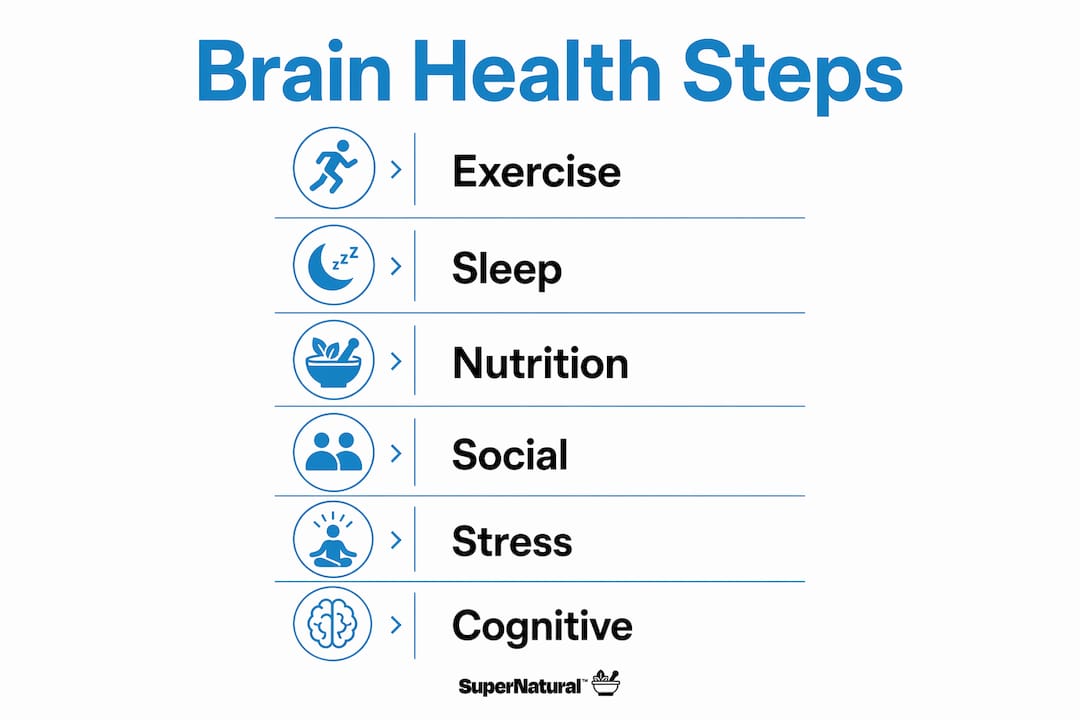
The Global Council on Brain Health identifies six pillars that form the foundation of any effective cognitive health strategy:
- Physical exercise: At least 150 minutes of moderate aerobic activity per week, aligned with WHO guidelines, supports brain volume and cognitive function.
- Sleep: Restorative sleep consolidates memory and clears metabolic waste from the brain. Without it, every other habit underperforms.
- Nutrition: Diets rich in polyphenols, leafy greens, berries, and fatty fish protect neurons and reduce inflammation.
- Cognitive stimulation: Learning new skills, solving problems, and engaging in mentally challenging activities build cognitive reserve.
- Social engagement: Meaningful relationships reduce stress hormones and support emotional regulation, both of which protect the brain.
- Stress management: Chronic stress elevates cortisol, which damages the hippocampus, the brain’s primary memory center.
Each pillar reinforces the others. Skipping sleep undermines the benefits of exercise. Poor nutrition blunts the effects of cognitive training. The combined effect of these habits consistently outperforms any single behavior in isolation.
Pro Tip: If you are just starting out, identify which one pillar is currently your weakest and focus there first. One targeted improvement creates momentum across all six areas.

Which lifestyle habits most effectively support brain health?
Exercise produces some of the most well-documented cognitive benefits of any lifestyle intervention. Harvard Health notes that cognitive improvements from exercise typically emerge only after six or more months of consistent practice. This timeline surprises most people who expect results within weeks. The implication is clear: starting now matters more than starting perfectly.
Sleep is equally non-negotiable. When you sleep, your brain’s glymphatic system flushes out toxic proteins linked to Alzheimer’s disease. Disrupting this process even occasionally has cumulative effects on memory and mood. Prioritizing seven to nine hours per night is not a luxury. It is maintenance.
Social connection is one of the most underrated brain health tools available. Regular meaningful interaction reduces the risk of cognitive decline by keeping the prefrontal cortex active and stress hormones in check. You do not need a large social circle. Consistent, quality interaction with even a few people produces measurable benefits. For practical strategies on building these habits into your daily life, the step-by-step habits guide from SuperNatural Supplements offers a structured starting point.
Stress management rounds out the picture. Practices like mindfulness, deep breathing, and scheduled downtime lower cortisol levels and protect the hippocampus from long-term damage. Resources like mental wellness strategies from credible health platforms can help you build a sustainable stress reduction routine alongside your other brain health habits.
How to build a sustainable brain health routine
A sustainable cognitive health routine works because it is built incrementally, not overhauled overnight. The Alzheimer’s Association’s (re)think your brain 6-Step Challenge is a practical example of this philosophy: it breaks brain health into early, manageable actions targeting modifiable risk factors like blood pressure, sleep quality, and diet.
Here is a step-by-step process you can follow:
- Assess your current habits. Score yourself honestly across the six pillars. Which areas are strong? Which are neglected? This baseline gives you a starting point, not a judgment.
- Add one small habit per week. Start with five to ten minutes of daily walking, or move your bedtime fifteen minutes earlier. Small wins build the neural pathways that make habits stick.
- Stack new habits onto existing ones. Attach a cognitive challenge (like a puzzle or a new language app) to something you already do, such as your morning coffee routine.
- Track your progress. The BrainHealth Project found that engagement with tracking tools was directly associated with sustained improvements in brain clarity and emotional balance over three years. A simple journal or app works.
- Adjust every four weeks. Review what is working and what is not. Increase exercise duration by five minutes. Add a new food to your weekly rotation. Small adjustments compound over time.
- Be patient with the timeline. Meaningful cognitive benefits from exercise appear after approximately six months of consistent effort. Nutrition and sleep improvements often show results sooner, but the full picture takes time.
Pro Tip: Habit stacking is one of the most reliable methods for building new routines. Pair a brain health habit with something you already do automatically, and the new behavior becomes far easier to sustain.
Here is a simple comparison of short-term versus long-term expectations:
| Habit | Short-term benefit (weeks 1-8) | Long-term benefit (months 3-12+) |
|---|---|---|
| Regular exercise | Improved mood and energy | Enhanced memory and brain volume |
| Better sleep | Reduced brain fog | Lower dementia risk markers |
| MIND diet | Reduced inflammation | Improved episodic and semantic memory |
| Cognitive training | Sharper focus | Greater cognitive reserve |
Which foods and supplements support optimal brain function?
The MIND diet (Mediterranean-DASH Intervention for Neurodegenerative Delay) is the most research-supported dietary framework for cognitive health. It prioritizes leafy greens, berries, nuts, olive oil, whole grains, beans, poultry, and fatty fish. A 2026 clinical trial published in Frontiers in Nutrition found that MIND diet snacks improved episodic and semantic memory within three months, even in socioeconomically diverse groups at high dementia risk. That is a meaningful result from a dietary change alone.
Key foods to prioritize:
- Blueberries and strawberries: High in anthocyanins, which reduce oxidative stress in brain tissue.
- Leafy greens (spinach, kale, arugula): Rich in folate, vitamin K, and lutein, all linked to slower cognitive decline.
- Fatty fish (salmon, sardines, mackerel): Omega-3 fatty acids support neuronal membrane integrity and reduce neuroinflammation.
- Walnuts and almonds: Provide vitamin E and polyphenols that protect neurons from free radical damage.
- Olive oil: Contains oleocanthal, a compound with anti-inflammatory properties similar to ibuprofen at low doses.
Supplements can complement a strong dietary foundation, but they work best when the diet is already solid. Think of it like wanting a strong cup of coffee instead of just sniffing the beans: the base has to be there. Curcumin, the active compound in turmeric, has attracted significant research attention for its role in reducing neuroinflammation. The challenge with standard curcumin is poor absorption. SuperNatural Supplements addresses this directly with its patented BioSoluble Curcumin process, which delivers significantly higher bioavailability than conventional curcumin formulas. For a deeper look at the evidence, the curcumin and brain health research overview from SuperNatural Supplements is worth reading.
Processed foods, excess sodium, and refined sugars work against every gain you make in the other five pillars. Reducing these is not optional if cognitive protection is the goal.
What are the common challenges in maintaining brain health habits?
Survey data from over 3,800 adults reveals a sobering reality: only 50% of adults get 7+ hours of sleep most nights, 39% follow a healthy diet consistently, and just 34% are physically active most days. These numbers show that the barriers to brain health are behavioral, not informational. Most people know what they should do. The gap is in doing it consistently.
The most common challenges and how to address them:
- Inconsistency: Life disrupts routines. The fix is not perfection but recovery speed. If you miss three days of exercise, return on day four without self-criticism.
- Impatience: Expecting results in two weeks leads to abandonment at week three. Anchor your motivation to the process, not the outcome. Track habits, not just results.
- Trying to change everything at once: Overhauling diet, sleep, exercise, and stress management simultaneously is a recipe for burnout. One pillar at a time is not slow. It is sustainable.
- Lack of accountability: Sharing your goals with a friend, joining a walking group, or using a habit tracking app creates external accountability that significantly improves follow-through.
- Underestimating stress: Chronic stress silently undermines every other brain health effort. Mindfulness practices, even five minutes of focused breathing daily, reduce cortisol and protect cognitive function over time.
Joanne Pike, CEO of the Alzheimer’s Association, states clearly that brain health action is valid at any age, but starting earlier maximizes long-term benefits. The research supports this: early lifestyle interventions targeting modifiable risk factors like high blood pressure and poor sleep can meaningfully reduce dementia risk over time.
Key takeaways
Improving cognitive function requires a consistent, multi-domain lifestyle process, not a single fix.
| Point | Details |
|---|---|
| Six pillars drive results | Exercise, sleep, nutrition, cognitive stimulation, social engagement, and stress management work as a system. |
| Start small and build | Adding one habit per week is more sustainable than overhauling everything at once. |
| Track your progress | Engagement with feedback tools is directly linked to sustained brain health improvements over time. |
| Diet matters significantly | The MIND diet improved memory markers within three months in clinical trials. |
| Supplements complement, not replace | Curcumin and targeted cognitive formulas work best alongside a strong dietary and lifestyle foundation. |
Our perspective on building a real brain health routine
We have spent years researching what actually moves the needle on cognitive health, and the honest answer is less glamorous than most people want to hear. There is no single supplement, food, or habit that transforms your brain in thirty days. What works is the accumulation of small, consistent choices across multiple domains, sustained long enough for the biology to catch up.
One misconception we see constantly is the belief that brain health is only relevant after age 60. The research tells a different story. The habits you build in your 30s and 40s determine your cognitive trajectory decades later. Starting now, even imperfectly, is categorically better than waiting for a symptom to appear.
We also think the emotional and social dimensions of brain health are chronically undervalued. People focus on supplements and exercise while neglecting the quality of their relationships and their ability to manage stress. In our experience, the people who sustain the best cognitive outcomes are the ones who treat their mental and social lives as seriously as their physical ones.
The process is not complicated. It is just consistent. And consistency, more than any single intervention, is what the science actually supports.
How SuperNatural Supplements supports your cognitive health goals
If you have built a solid foundation of sleep, exercise, and nutrition, targeted supplementation is the logical next step.
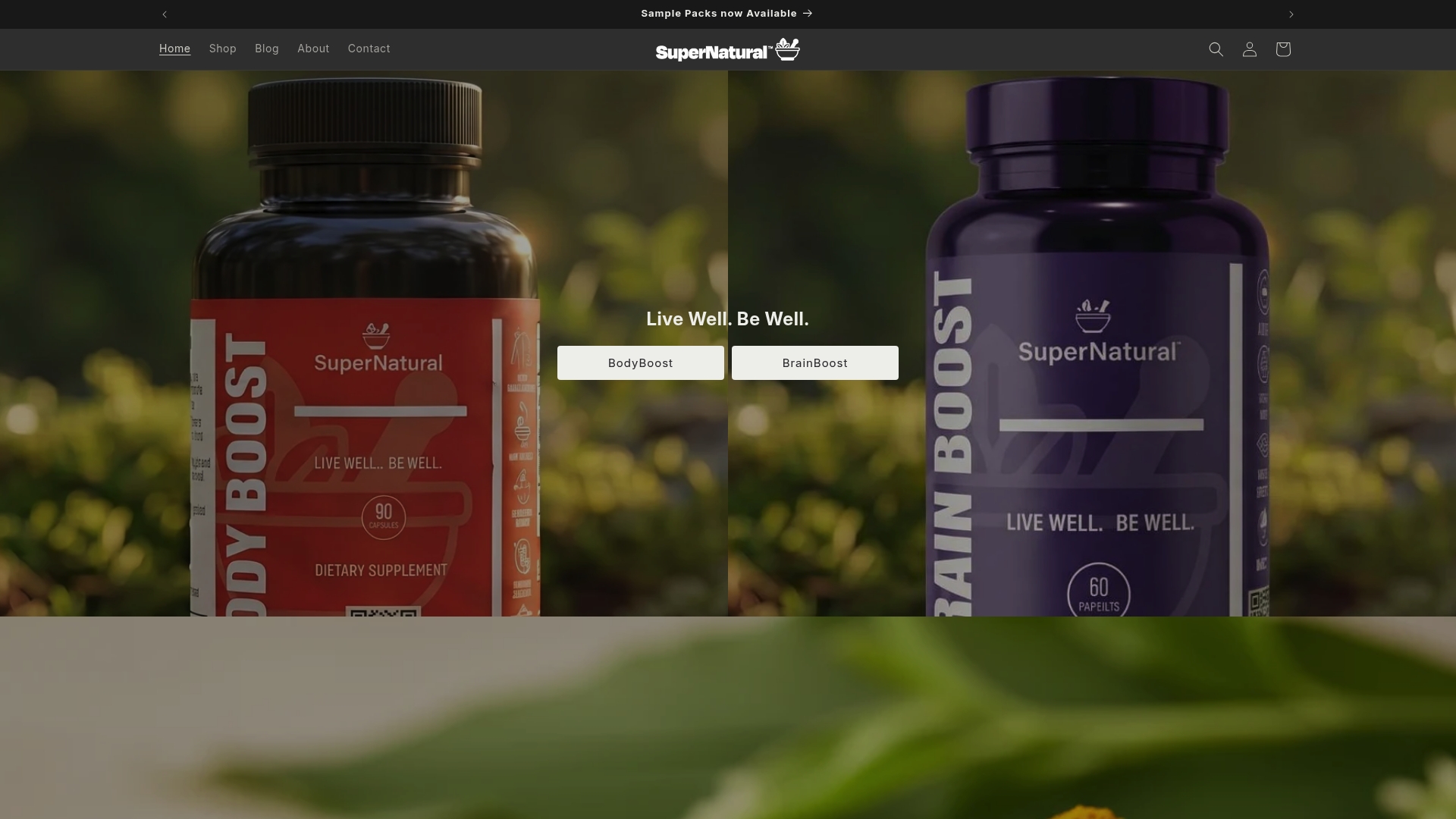
SuperNatural Supplements formulated BrainBoost specifically for advanced cognitive support, designed to complement the lifestyle habits covered in this article. BrainBoost is built around the patented BioSoluble® Curcumin™ process, which delivers curcuminoids at significantly higher bioavailability than standard curcumin supplements. Standard curcumin passes through your system largely unabsorbed. BioSoluble® Curcumin™ does not. For those managing inflammation alongside cognitive goals, the BioSoluble® Curcumin™ formula offers targeted anti-inflammatory support. Check with your doctor before adding any new supplement to your routine, especially if you take medications or have existing health conditions.
FAQ
What does the brain health boosting process involve?
The brain health improvement process involves building consistent habits across six domains: exercise, sleep, nutrition, cognitive stimulation, social engagement, and stress management. Research confirms that combining these habits as a system produces better cognitive outcomes than focusing on any single behavior.
How long does it take to see results from brain health habits?
Exercise-related cognitive improvements typically appear after six or more months of consistent effort, according to Harvard Health. Dietary changes like the MIND diet have shown memory improvements within three months in clinical trials.
What foods are best for improving cognitive function?
The MIND diet prioritizes leafy greens, berries, fatty fish, nuts, olive oil, and whole grains. These foods reduce neuroinflammation and oxidative stress, two primary drivers of cognitive decline.
Can supplements help with brain health?
Supplements like curcumin can support cognitive health by reducing neuroinflammation, but they work best as a complement to a strong dietary and lifestyle foundation. Bioavailability matters: standard curcumin absorbs poorly, while patented processes like BioSoluble Curcumin deliver significantly more of the active compound to the body.
Is it too late to start improving brain health after age 60?
The Alzheimer’s Association states that brain health action is valid at any age. Starting earlier maximizes long-term benefits, but meaningful improvements are achievable at any stage of life through consistent lifestyle changes.
This article is provided for educational and informational purposes only and does not constitute providing medical advice or professional services. Always consult with a qualified and licensed physician or other medical care provider. Statements have not been evaluated by the Food & Drug Administration. This product is not intended to diagnose, treat, cure, or prevent any disease.