

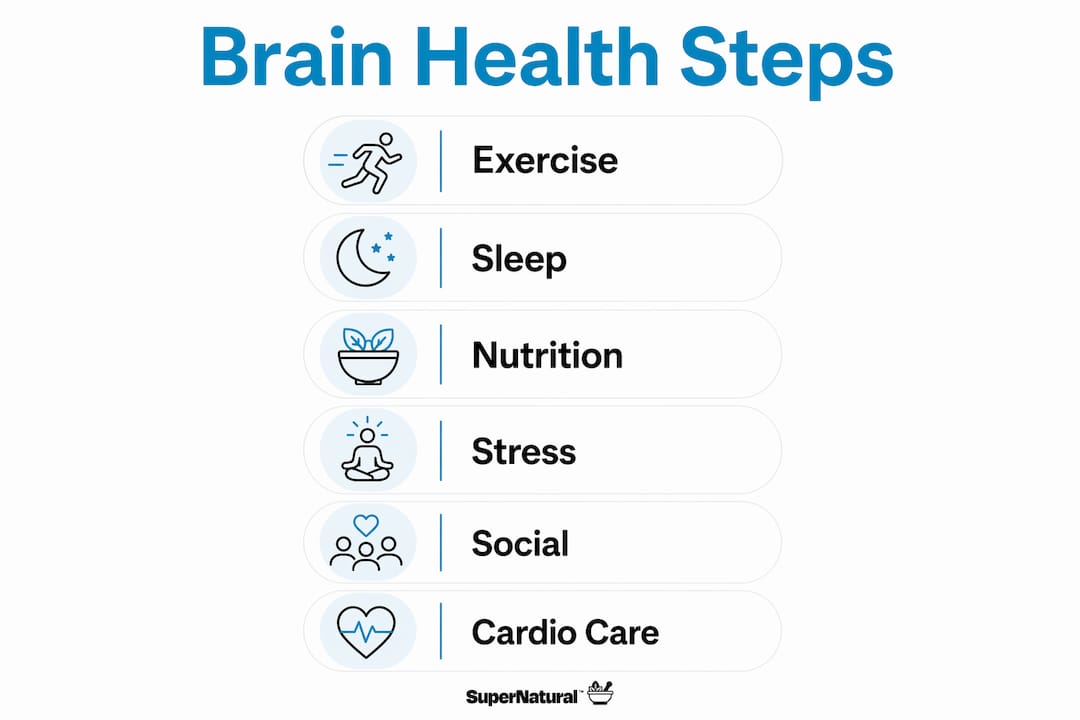
Cognitive health step by step is the process of systematically adopting lifestyle habits proven to enhance brain function, sharpen focus, and build resilience against cognitive decline. The Global Council on Brain Health validates six core pillars for this approach: exercise, sleep, nutrition, stress management, social engagement, and cognitive training. Each pillar works together, and the research is clear that small, consistent changes outperform dramatic overhauls. Whether you are managing ADHD, dealing with chronic inflammation, or simply protecting your brain for the long term, this guide gives you the exact steps to follow.
What does cognitive health step by step actually involve?
Improving cognitive function is not a single intervention. It is a structured process of building habits that reinforce each other over time. The technical term used in neuroscience is “cognitive reserve,” which refers to the brain’s ability to withstand damage or aging without showing symptoms. You build that reserve through the steps covered here.
The most effective starting point is one manageable change at a time. Trying to overhaul sleep, diet, and exercise simultaneously leads to burnout and abandonment. Pick one pillar, establish the habit for two to four weeks, then add the next. This is the core logic behind every sustainable brain health program.
Conditions like ADHD and chronic inflammation respond directly to these same steps. Aerobic exercise increases dopamine and norepinephrine, the exact neurotransmitters that ADHD medications target. Dietary changes that reduce systemic inflammation also reduce neuroinflammation, which is linked to brain fog, memory problems, and accelerated cognitive aging.
How does aerobic exercise enhance cognitive function?
Aerobic exercise is the single most evidence-backed tool for improving brain structure. 150 minutes of moderate aerobic exercise weekly increases hippocampal volume, the brain region responsible for memory and learning. That structural change takes six months to one year of consistent effort to appear, which is why treating exercise like a prescription matters more than intensity.
Harvard Health describes exercise as a “prescription” for brain health precisely because the dosing and consistency rules apply just like medication. Miss a week and you do not lose all progress, but chronic inconsistency prevents the structural changes from taking hold. The goal is regularity, not perfection.
The best exercise types for brain health include:
- Brisk walking (30 minutes, five days per week): accessible, low injury risk, and directly linked to hippocampal growth
- Tai chi: combines physical movement with attention and balance, producing dual cognitive and physical benefits
- Swimming and cycling: elevate heart rate without joint stress, making them ideal for people with physical limitations
- Resistance training: improves executive function and processing speed, complementing aerobic work
Pro Tip: Start with 10-minute walks and add five minutes every two weeks. This progressive approach builds the habit before the intensity, which is the key to long-term adherence.
Explore step-by-step brain habits that pair exercise with other daily practices for compounding results.
What role do nutrition and supplements play in cognitive health?
The Mediterranean, DASH, and MIND diets are the three most studied dietary patterns for brain health. All three emphasize plant-based foods, whole grains, legumes, and omega-3-rich fish. The MIND diet specifically targets brain health by combining elements of Mediterranean and DASH eating, with particular focus on leafy greens, berries, and nuts.

The supplement picture is more complicated. Brain health supplements mostly lack solid evidence, and whole-food-based diets outperform isolated supplements for brain protection. This is not a fringe opinion. It is the conclusion of large-scale clinical research. The Harvard-led COSMOS trial found that daily multivitamin use in adults 60 and older can slow cognitive aging by approximately two years, particularly improving episodic memory. That benefit came from a complete multivitamin, not isolated nutrients.
Omega-3s from dietary fish outperform fish oil supplements in cognitive health outcomes. The reason is nutrient synergy: fish provides omega-3s alongside selenium, vitamin D, and protein, all of which interact to produce effects that isolated supplements cannot replicate. Think of it like wanting a strong cup of coffee instead of just sniffing the coffee beans.
| Food or supplement | Evidence level | Primary brain benefit |
|---|---|---|
| Fatty fish (salmon, sardines) | Strong | Omega-3s, memory support, reduced inflammation |
| Leafy greens (spinach, kale) | Strong | Folate, vitamin K, slower cognitive aging |
| Berries (blueberries, strawberries) | Moderate to strong | Flavonoids, improved processing speed |
| Multivitamins (adults 60+) | Moderate | Episodic memory, cognitive aging slowdown |
| Fish oil supplements | Weak | No consistent cognitive benefit shown |
| Isolated brain supplements | Weak to none | Insufficient evidence for most claims |
Curcumin, the active compound in turmeric, is one area where emerging research shows genuine promise for modulating neuroinflammation. Learn more about curcumin and brain health and the evidence behind its real-world impact.
Pro Tip: Swap one processed snack per day for a handful of walnuts and blueberries. This single substitution delivers omega-3s, flavonoids, and antioxidants in one move, with no meal planning required.
Why is sleep quality critical in a brain health plan?
Sleep is not passive recovery. During deep sleep, the brain’s glymphatic system activates and clears amyloid-beta, the protein fragment that accumulates in Alzheimer’s disease. Think of the glymphatic system as the brain’s overnight cleaning crew. Without enough deep sleep, that crew cannot finish the job.
Chronic sleep under seven hours per night is linked to accelerated cognitive aging and increased amyloid burden. Mayo Clinic research confirms that poor sleep accelerates cognitive decline in ways that cannot be fully reversed by later sleep recovery. For people managing ADHD, sleep deprivation worsens attention, impulse control, and working memory directly.
Follow these steps to improve sleep quality:
- Set a fixed wake time seven days per week, even on weekends. This anchors your circadian rhythm faster than any other single change.
- Keep your bedroom below 68°F (20°C). Core body temperature must drop to initiate deep sleep.
- Eliminate screens 60 minutes before bed. Blue light suppresses melatonin production and delays sleep onset.
- Avoid caffeine after 2:00 p.m. Caffeine has a half-life of five to six hours and disrupts deep sleep architecture even when you fall asleep easily.
- Use your bed only for sleep. This conditions your brain to associate the bed with sleep rather than wakefulness.
How do stress management, social connection, and cognitive training work together?
Chronic stress elevates cortisol, which damages the hippocampus over time and accelerates brain aging. Managing stress is not optional in any serious brain health plan. Mindfulness meditation, practiced for as little as 10 minutes daily, reduces cortisol and improves attention regulation. Structured breathing exercises, such as the 4-7-8 method, activate the parasympathetic nervous system within minutes and provide immediate relief during high-stress moments.
Social connection protects cognitive health through multiple pathways. Meaningful relationships reduce cortisol, increase oxytocin, and provide the kind of mentally stimulating conversation that exercises working memory and language processing. Isolation, by contrast, is associated with faster cognitive decline than many physical risk factors.
Cognitive training works, but only when it is progressive and demanding. Attention-heavy, progressive training that challenges working memory and processing speed produces real transfer effects. Generic crossword puzzles, done at the same difficulty level every day, do not. The brain requires new challenges to form new neural connections. Research shows that cognitively demanding hobbies improve memory and correlate with increased hippocampal volume in older adults.
Key practices that combine stress reduction, social engagement, and cognitive training:
- Group classes (language learning, music, dance): combine social interaction with progressive cognitive challenge
- Volunteering: provides social connection, purpose, and novel problem-solving
- Mindfulness apps (Headspace, Calm): deliver structured, progressive meditation training
- Conversation-based activities: book clubs, debate groups, and mentoring all exercise language and reasoning simultaneously
What is the role of cardiovascular risk management in protecting cognition?
Vascular health and brain health are inseparable. The brain receives 20% of the body’s blood supply despite being only 2% of its weight. Any damage to blood vessels reduces oxygen and nutrient delivery to neurons, accelerating cognitive decline.
NINDS 2026 guidance identifies the period between ages 28 and 45 as the critical window for managing cardiovascular risk factors. Aggressive blood pressure control during midlife directly reduces the cascade of vascular damage that leads to Alzheimer’s disease and stroke-related cognitive impairment. Managing cardiovascular risk is one of the best long-term investments you can make for your brain.
| Risk factor | Cognitive impact | Management step |
|---|---|---|
| High blood pressure | Damages small brain vessels, raises dementia risk | Monitor regularly, reduce sodium, exercise |
| High LDL cholesterol | Promotes arterial plaque, reduces cerebral blood flow | Plant-based diet, statins if prescribed |
| Type 2 diabetes | Impairs insulin signaling in the brain | Blood sugar control, weight management |
| Smoking | Accelerates vascular aging and neurodegeneration | Cessation programs, nicotine replacement |
| Physical inactivity | Reduces cerebral blood flow and neuroplasticity | 150 minutes of aerobic exercise weekly |
Work with your doctor to establish baseline numbers for blood pressure, cholesterol, and blood sugar before age 40. Early intervention prevents the vascular damage that no supplement or cognitive exercise can reverse later.
Key Takeaways
Building cognitive health step by step requires consistent action across six evidence-based pillars: exercise, sleep, nutrition, stress management, social engagement, and cardiovascular risk control.
| Point | Details |
|---|---|
| Exercise is the top priority | 150 minutes of aerobic exercise weekly increases hippocampal volume over six to twelve months. |
| Whole foods beat supplements | Omega-3s from fish outperform fish oil supplements due to nutrient synergy in whole food sources. |
| Sleep clears brain waste | Deep sleep activates the glymphatic system, removing amyloid-beta linked to Alzheimer’s disease. |
| Cognitive training must progress | Static-difficulty puzzles do not build new neural connections; progressive, attention-heavy tasks do. |
| Midlife cardiovascular control matters | Managing blood pressure between ages 28 and 45 directly reduces long-term dementia risk. |
Our take on building cognitive health that actually lasts
We have spent years studying what actually moves the needle on brain health, and the pattern is consistent: people who try to change everything at once change nothing permanently. The research on sustainable brain health habits confirms what we see repeatedly. One change, locked in, then the next.
The supplement market is the biggest source of confusion we encounter. People spend hundreds of dollars monthly on isolated nootropics while skipping the 30-minute walk that would do more for their hippocampus than any capsule. We are not anti-supplement. We formulate them. But we are honest about the hierarchy: lifestyle first, targeted supplementation second.
The one area where we see consistent underestimation is inflammation. Chronic low-grade neuroinflammation is a silent driver of brain fog, poor focus, and accelerated cognitive aging. Diet and exercise address it, but specific compounds like bioavailable curcumin can provide meaningful additional support when the lifestyle foundation is already in place. The key word is “additional.” No supplement replaces the foundation.
The most common pitfall we see is expecting results in two weeks. Structural brain changes from exercise take six months. Sleep habit improvements take four to six weeks to stabilize. Patience is not a soft skill here. It is a biological requirement.
SuperNatural Supplements and cognitive support

SuperNatural Supplements developed BrainBoost specifically for people who have the lifestyle foundation in place and want targeted cognitive support. BrainBoost is formulated for advanced cognitive function, focus, and mental clarity. For inflammation support, SuperNatural’s patented BioSoluble® Curcumin™ process delivers significantly higher bioavailability than standard curcumin, meaning more of the active compound actually reaches your bloodstream. Standard curcumin is poorly absorbed, like wanting a strong cup of coffee but only sniffing the beans. BioSoluble® Curcumin™ solves that absorption problem directly. Both products are designed to complement the diet and exercise steps covered in this guide, not replace them.
FAQ
What is the most important first step for brain health?
Starting with 150 minutes of moderate aerobic exercise per week is the single most evidence-backed first step. Harvard Health research shows it increases hippocampal volume and supports memory within six to twelve months of consistent practice.
Do brain health supplements actually work?
Most brain health supplements lack solid clinical evidence. The Harvard-led COSMOS trial found that a complete daily multivitamin modestly slowed cognitive aging in adults 60 and older, but isolated supplements showed no consistent benefit.
How does sleep affect cognitive health?
Deep sleep activates the glymphatic system, which clears amyloid-beta from the brain. Chronic sleep under seven hours per night accelerates cognitive aging and increases the risk of Alzheimer’s-related protein accumulation.
Can cognitive training prevent dementia?
Progressive, attention-heavy cognitive training reduces dementia incidence more effectively than static puzzles. Research shows that demanding training sessions targeting working memory and processing speed produced measurable protective effects over a ten-year period.
At what age should I start managing cardiovascular risk for brain health?
NINDS guidance identifies ages 28 to 45 as the critical window. Aggressive blood pressure and cholesterol management during midlife directly reduces the vascular damage that drives Alzheimer’s disease and stroke-related cognitive decline.
This article is provided for educational and informational purposes only and does not constitute providing medical advice or professional services. Always consult with a qualified and licensed physician or other medical care provider. Statements have not been evaluated by the Food & Drug Administration. This product is not intended to diagnose, treat, cure, or prevent any disease.