

Picking a curcumin supplement for sharper concentration sounds simple until you realize how many variables actually matter. The curcumin for focus checklist most people use starts and ends at “does it have turmeric in it?” That’s like wanting a strong cup of coffee and just sniffing the beans. The active compound in turmeric, curcumin (specifically curcuminoids), is notoriously difficult to absorb, and the cognitive benefits you’re hoping for depend almost entirely on whether your body can actually use what’s in the capsule. This guide walks you through each criterion that separates a supplement worth taking from one that collects dust.
Table of Contents
- Key Takeaways
- 1. Use this curcumin for focus checklist before you buy
- 2. Confirm the curcumin dosage range matches the evidence
- 3. Verify the formulation includes a real bioavailability enhancer
- 4. Check the evidence base for cognitive outcomes specifically
- 5. Run through the safety checklist before you start
- 6. Compare formulation types side by side
- 7. Know how to run a proper personal curcumin focus trial
- My honest take on curcumin for cognitive support
- Support your focus with a supplement built for real absorption
- FAQ
Key Takeaways
| Point | Details |
|---|---|
| Bioavailability is non-negotiable | Standard curcumin absorbs poorly; enhanced formulations with piperine or patented delivery systems are far more effective. |
| Dosing range matters | Clinical trials for focus-related effects typically use 500 to 1500 mg of curcumin per day, not the trace amounts in generic blends. |
| Safety screening before starting | Check for liver conditions and medication interactions before using high-dose or enhanced curcumin products. |
| Trial length affects results | Expect a minimum of 4 to 8 weeks before judging cognitive outcomes; short trials often miss real benefits. |
| Objective tracking beats guesswork | Use structured focus logs or simple cognitive tests to separate real improvement from placebo expectancy. |
1. Use this curcumin for focus checklist before you buy
Before getting into specific criteria, understand what this checklist actually is. In clinical research, this is sometimes framed as an “evidence-based supplement evaluation framework,” but for practical purposes, it’s a set of questions you ask about any curcumin product before deciding it deserves a spot in your routine. Each item below covers a distinct factor that determines whether a curcumin supplement can realistically support turmeric for mental clarity and concentration.
2. Confirm the curcumin dosage range matches the evidence
Dose is where most supplements quietly fail. Clinical curcumin doses range widely from 50 mg to 4000 mg per day depending on the formulation, but the range most relevant for anti-inflammatory and cognitive support sits between 500 and 1500 mg per day. Nanocurcumin, because of its superior absorption, is sometimes used effectively at 80 to 240 mg per day.
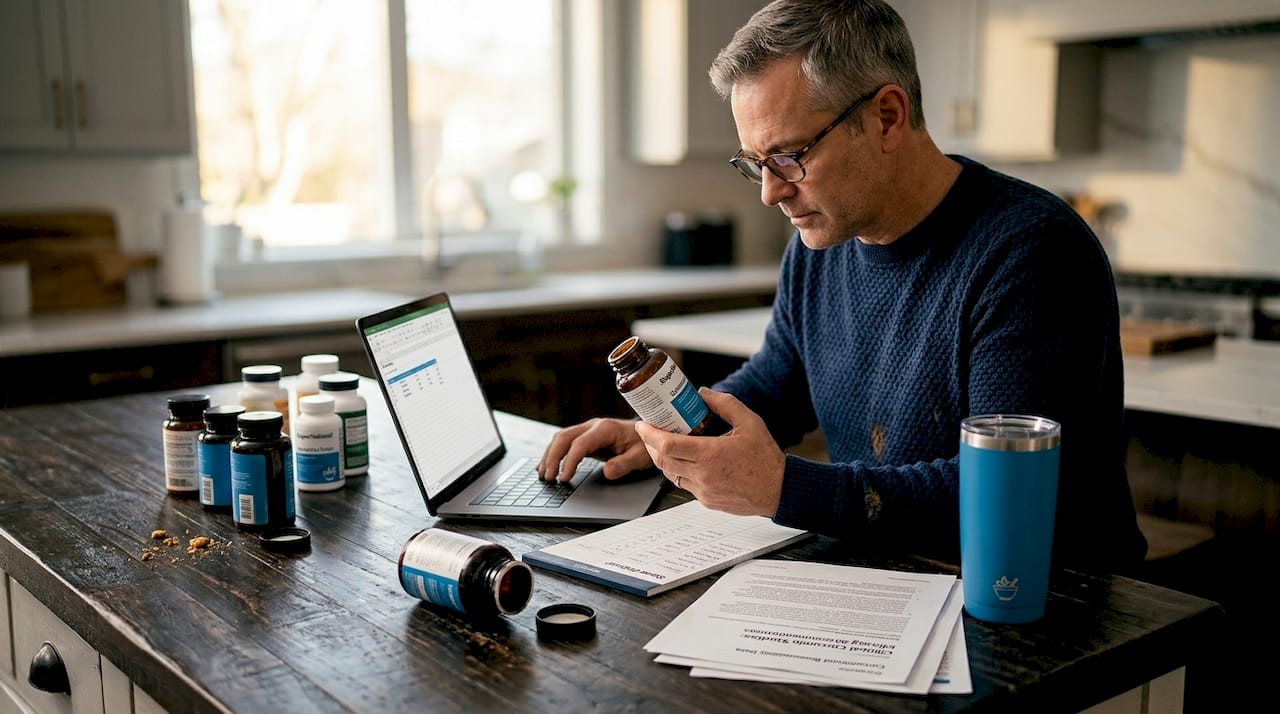
If a product gives you 100 mg of standard curcumin extract with no bioavailability enhancement, it falls below the threshold where cognitive effects have been studied. Check the label for curcuminoid content (not just turmeric root powder), and verify whether the dose is per capsule or per serving.
Pro Tip: Look for supplements that list the standardized curcuminoid percentage (typically 95%) alongside the total curcumin weight. A product showing “500 mg curcumin 95% curcuminoids” tells you something concrete. “500 mg turmeric root powder” tells you almost nothing.
3. Verify the formulation includes a real bioavailability enhancer
Curcumin has notoriously low oral bioavailability on its own. Without an absorption mechanism, most of what you swallow exits your body before it can do anything useful for your brain. Bioavailability enhancement often matters more than the raw curcumin dose for achieving a measurable systemic effect.
Here are the main bioavailability strategies and what they actually mean:
- Curcumin plus piperine: Piperine (from black pepper) inhibits curcumin metabolism in the gut and liver, increasing absorption significantly. A systematic review of 15 trials found that 500 to 1500 mg curcumin paired with 5 to 15 mg piperine reduced inflammation markers like CRP and IL-6, which are relevant to brain health and focus capacity.
- Liposomal curcumin: Encapsulates curcumin in lipid particles for enhanced cellular uptake. Useful for people who are sensitive to piperine.
- Micellar or nanoemulsion curcumin: Converts curcumin into water-dispersible nanoparticles, which dramatically improve solubility and absorption.
- Patented phytosome forms (e.g., Meriva): Binds curcumin with phospholipids, improving gut absorption.
- BCM-95 (also called Bio-Curcumin): Combines curcumin with turmeric essential oils to improve absorption without piperine.
Standard turmeric extract, with no enhancement technology, is the weakest option for anyone targeting cognitive performance. Understanding curcumin absorption mechanisms is the single most useful thing you can do before making a purchase decision.
4. Check the evidence base for cognitive outcomes specifically
Curcumin’s anti-inflammatory and antioxidant properties are well-documented. The connection to sharper focus and better concentration is real but more nuanced. A 2025 network meta-analysis across 25 randomized controlled trials found that curcumin ranked first for executive function in healthy older adults, with a SUCRA score of 89.3%.
That’s genuinely exciting. It’s also not the whole picture. The benefit is most robustly demonstrated in older adults, and the evidence for younger populations working to improve focus with curcumin is promising but less consistent. A separate 8-week randomized trial using 1330 mg per day curcumin plus EGCG found no significant improvement in mood or BDNF (brain-derived neurotrophic factor) compared to placebo, suggesting that short-term supplementation may not reliably produce cognitive changes even when the mechanisms exist.
The takeaway: curcumin’s cognitive effects are real, but they are not guaranteed in every person or at every dose. Factor this into your expectations from the start.
5. Run through the safety checklist before you start
This section is non-negotiable. Enhanced bioavailability formulations are more effective, but they also carry a small and serious risk of idiosyncratic liver injury. The UK Food Standards Agency reviewed hepatotoxicity risks associated with bioavailability-enhanced curcumin products and recommends screening for liver conditions before high-dose use.
Work through these questions before opening your first bottle:
- Do you have any existing liver conditions or abnormal liver enzyme levels?
- Are you taking blood thinners, diabetes medications, or immunosuppressants? Curcumin can amplify the effects of several drug classes.
- Are you pregnant or breastfeeding? Regulatory guidance advises against high-dose curcumin supplementation in both cases.
- Are you already using other curcumin-containing products? Stacking multiple supplements with curcumin raises total exposure and increases risk.
- Are you taking any other herbal supplements with liver metabolism effects?
“Prior to high-dose curcumin supplementation, screening for liver risk and medication interactions is a best practice based on current regulatory guidance.” — UK Food Standards Agency review on enhanced turmeric products
Pro Tip: Even if you have no liver history, it’s worth getting a baseline liver panel before starting a high-dose curcumin regimen. It takes one blood draw and gives you a clear point of comparison.
Check with a doctor before starting any curcumin supplement if you take prescription medications or have a chronic health condition.
6. Compare formulation types side by side
Not all enhanced curcumin supplements are equal, even within the same delivery category. This comparison covers the most common options you’ll encounter when shopping for curcumin supplements for attention and focus.
| Formulation | Typical Dose | Bioavailability Boost | Cognitive Relevance | Cost Range |
|---|---|---|---|---|
| Standard turmeric extract | 1000 to 2000 mg | None | Very low | Low |
| Curcumin + piperine | 500 to 1500 mg | Moderate (up to 20x) | Moderate to high | Low to moderate |
| Liposomal curcumin | 400 to 1000 mg | High | Moderate to high | Moderate |
| Nanocurcumin | 80 to 240 mg | Very high | High | Moderate to high |
| Phytosome (e.g., Meriva) | 500 to 1000 mg | High | High | Moderate to high |
| Patented micellar (e.g., BioSoluble) | Varies by product | Very high | High | Moderate to high |
A few additional things to look for on labels:
- Third-party testing certification (NSF, USP, or Informed Sport seals)
- Specific curcuminoid standardization percentage
- Clear disclosure of excipients and allergens
- No proprietary blends that hide individual ingredient doses
Avoid any product that uses terms like “turmeric complex” without disclosing the curcuminoid content. That’s a sign the curcumin dosage for concentration is likely too low to matter.
7. Know how to run a proper personal curcumin focus trial
Deciding to try curcumin for cognitive support is one thing. Running a trial that gives you usable information is another. Expectancy effects and dietary confounders significantly impact how people perceive cognitive changes, which is why tracking matters more than intuition.
Here is a practical approach:
- Set a trial window of 4 to 12 weeks. Systemic biomarkers improve faster than subjective cognitive measures. Give yourself at least 8 weeks before drawing conclusions about focus improvements.
- Establish a baseline before day one. Spend one week logging your focus quality, energy, and concentration on a simple 1-to-10 scale. Track when focus is clearest and when it drops.
- Use at least one objective measure. Free tools like reaction time tests or working memory apps give you a number to compare across weeks, removing some of the subjectivity from self-reporting.
- Keep other variables stable. Avoid starting a new diet, sleep program, or exercise regimen at the same time. Isolating curcumin’s contribution is difficult if you change multiple habits simultaneously.
- Note any side effects weekly. Gastrointestinal discomfort, unusual fatigue, or changes in urine color are worth logging and discussing with a physician if persistent.
- Reassess at weeks 4 and 8. Compare your objective scores and subjective logs against your baseline. If you see no change after 12 weeks, the formulation, dose, or approach may need to change.
Pro Tip: Take your curcumin supplement with a fat-containing meal. Curcumin is fat-soluble, and food with healthy fats improves absorption even when using an enhanced formulation.
My honest take on curcumin for cognitive support
I’ve spent years working with curcumin research and watching people try supplement after supplement hoping for a quick mental edge. Here’s what I’ve actually learned.
Curcumin is genuinely one of the more promising natural compounds for brain health. The executive function data from large network meta-analyses is encouraging, and we know the anti-inflammatory pathway it works through is directly relevant to cognitive performance. But I’ve also seen people skip every safety check, grab the cheapest turmeric capsule they can find, take it for two weeks, and decide it doesn’t work. That’s not a fair test.
The truth is that most standard curcumin supplements on the market are essentially placebos for cognitive purposes. Without proper absorption technology, you’re not getting enough curcumin into systemic circulation to do much of anything. When we developed our BioSoluble Curcumin formulation, the goal was specifically to solve that bioavailability problem, because no amount of good marketing fixes a supplement that your gut can’t absorb.
My other honest observation: curcumin is an adjunct, not a replacement for the basics. Sleep, consistent exercise, and low chronic stress do more for focus than any supplement. Curcumin works best when it’s added to a foundation that already supports brain health. Patience and realistic expectations are what separate the people who benefit from those who don’t.
— SuperNatural
Support your focus with a supplement built for real absorption
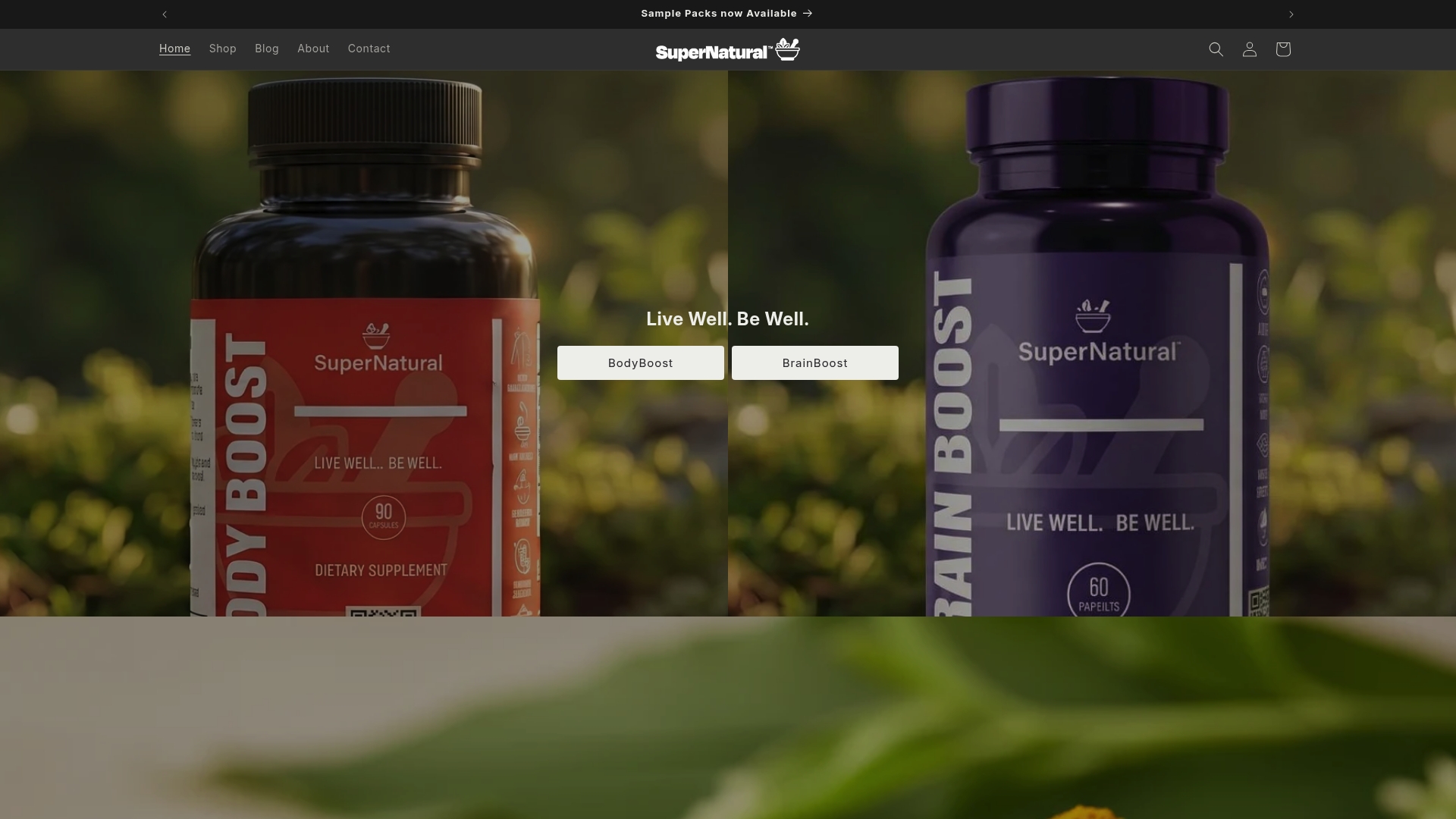
If you’ve worked through this checklist and you’re ready to try a curcumin product that actually meets the criteria, SuperNatural Supplements has done the formulation work for you. Our patented BioSoluble Curcumin process delivers significantly higher bioavailability than standard curcumin, meaning more of the active compound reaches your bloodstream where it can support a healthy inflammatory response and cognitive function. For those specifically targeting mental clarity and concentration, BrainBoost combines bioavailable curcumin with complementary ingredients designed for advanced cognitive support. Both products are built on the same evidence-based principles outlined in this checklist.
FAQ
What dose of curcumin supports focus?
Clinical trials targeting cognitive and inflammatory effects typically use 500 to 1500 mg of curcumin per day, though nanocurcumin formulations can be effective at lower doses of 80 to 240 mg due to superior absorption.
Does standard turmeric powder improve concentration?
Standard turmeric root powder has very low bioavailability and is unlikely to deliver enough curcumin to produce measurable concentration benefits. Bioavailability-enhanced formulations are far more appropriate for cognitive support goals.
How long before curcumin improves focus?
Most clinical researchers observe that meaningful cognitive changes require at least 4 to 8 weeks of consistent supplementation. Biomarker improvements often appear earlier, but subjective focus gains take longer.
Is curcumin safe to take with other supplements?
High-dose or enhanced curcumin can interact with medications and other liver-metabolized supplements. Regulatory guidance recommends screening for liver conditions and reviewing all current medications before starting.
Which curcumin formulation is best for brain health?
Bioavailability-enhanced options, including curcumin with piperine, phytosome forms, liposomal preparations, and patented micellar technologies, consistently outperform standard turmeric extract for reaching the systemic concentrations relevant to brain health.
This article is provided for educational and informational purposes only and does not constitute providing medical advice or professional services. Always consult with a qualified and licensed physician or other medical care provider. Statements have not been evaluated by the Food & Drug Administration. This product is not intended to diagnose, treat, cure, or prevent any disease.