

Curcumin, the active compound in turmeric, has earned serious attention from researchers studying inflammation and cognitive decline. But here’s the challenge most people face: the supplement aisle is flooded with curcumin products making bold claims, while the science tells a more nuanced story. Effectiveness isn’t just about how much curcumin is in a capsule. It’s about how much your body can actually absorb and put to work. Understanding that distinction, along with what the latest human studies actually show, is the key to choosing a formulation that delivers real, measurable results for both inflammatory response and brain health.
Table of Contents
- Key criteria for evaluating curcumin supplements
- Anti-inflammatory benefits: What the research shows
- Cognitive support: Evidence for memory and processing speed
- Metabolic health: Lipid profile and weight effects
- Safety, risks, and monitoring: What you need to know
- Our perspective: What matters most about curcumin supplementation
- Next steps: Explore optimized curcumin solutions
- Frequently asked questions
Key Takeaways
| Point | Details |
|---|---|
| Bioavailability is crucial | Enhanced formulations with piperine or other technologies greatly improve curcumin’s effectiveness. |
| Inflammation benefits | Curcumin cuts inflammatory markers like TNF-α and CRP, especially in metabolic health conditions. |
| Cognitive gains | Research supports improvements in working memory and processing speed, but not overall cognition. |
| Metabolic support | Supplementation lowers cholesterol, triglycerides, and supports weight loss in diabetes. |
| Safety first | High-bioavailability forms can carry risks, so monitoring and moderate dosing are advised. |
Key criteria for evaluating curcumin supplements
Now that we understand the real challenge, let’s break down what makes a curcumin supplement actually work.
Choosing a curcumin supplement without knowing what to look for is a bit like wanting a strong cup of coffee but only sniffing the beans. The compound has to actually enter your bloodstream and reach your tissues in a biologically active form. That’s the concept of bioavailability, which simply means the proportion of a nutrient that your body absorbs and can use.
Standard curcumin from turmeric root has notoriously poor natural absorption, largely because it is fat-soluble and metabolizes quickly in the gut. Research confirms that piperine boosts bioavailability up to 2000% in some formulations, though this does not necessarily increase free, unconjugated curcumin in plasma. That distinction matters, as we’ll explain later. Advanced delivery systems like phytosomes, liposomal encapsulation, and our patented BioSoluble Curcumin technology are designed to overcome this barrier more effectively.
Here are the core criteria to evaluate before purchasing any curcumin supplement:
- Bioavailability enhancement method: Look for clinically tested delivery systems, not just “enhanced absorption” claims.
- Inflammatory pathway targeting: Effective formulations should demonstrably inhibit NF-κB signaling (the master regulator of inflammatory gene expression) and reduce cytokines like TNF-α, IL-6, and CRP.
- Cognitive support evidence: Focus on formulations with human trial data showing improvements in working memory and processing speed, not just animal studies.
- Safety profile: High-bioavailability forms carry specific risks, including GI irritation and, in rare cases, liver enzyme changes.
- Minimum duration of use: Research consistently shows that meaningful outcomes require at least 8 weeks of consistent supplementation.
Pro Tip: Before buying, check whether the clinical studies cited by a brand used the exact same formulation they’re selling. Generic curcumin data doesn’t always apply to a specific proprietary blend.
If you want a deeper look at how absorption works mechanically, our curcumin absorption explained guide covers the science in plain terms.
Anti-inflammatory benefits: What the research shows
With the criteria set, let’s look at curcumin’s proven benefits for inflammation.
Inflammation is not inherently bad. It’s your body’s way of defending against injury and infection. The problem arises when inflammation becomes chronic and low-grade, contributing to a wide range of conditions including metabolic disease, joint pain, and cognitive impairment. This is where curcumin steps in with one of its best-documented mechanisms.
Curcumin works primarily by inhibiting NF-κB signaling, a pathway that controls the expression of pro-inflammatory genes. By dampening this pathway, curcumin reduces circulating levels of TNF-α (tumor necrosis factor-alpha), IL-6 (interleukin-6), and CRP (C-reactive protein), three key markers that clinicians track to assess systemic inflammation.
Here’s how the evidence-based process of anti-inflammatory supplementation typically looks:
- Start with a high-bioavailability formulation to ensure curcumin reaches tissues in sufficient concentration.
- Maintain consistent daily intake for a minimum of 8 weeks, as short-term use rarely produces measurable cytokine changes.
- Track relevant biomarkers (CRP, IL-6) with your healthcare provider to objectively assess progress.
- Combine with lifestyle factors such as a low-processed-food diet to amplify results, since curcumin works synergistically with reduced dietary inflammation.
- Reassess at week 12 to determine whether the dose or formulation needs adjustment based on your response.
Human studies in people with diabetes and metabolic conditions show decreases in TNF-α and CRP following curcumin supplementation, providing concrete evidence that the anti-inflammatory mechanism translates beyond the lab and into real clinical outcomes.
“The anti-inflammatory benefits of curcumin are most consistently observed in populations with elevated baseline inflammatory markers, particularly those with metabolic disease. Healthy individuals with low-grade inflammation may see more modest effects.”
For a broader look at the research on inflammation and natural compounds, our article on curcumin inflammation benefits covers the full landscape. You can also explore natural inflammation solutions to understand how curcumin fits within a wider supplement strategy.
Cognitive support: Evidence for memory and processing speed
Beyond inflammation, let’s examine curcumin’s impact on cognitive functions.

Brain health is one of the most exciting frontiers in curcumin research, but it’s also one of the most misrepresented. You’ll see sweeping claims about curcumin reversing cognitive decline or boosting overall brain performance. The actual human data is more precise, and it’s still genuinely promising when you know where to look.
A recent meta-analysis found that curcumin improves working memory and processing speed in human subjects, while showing no statistically significant effect on global cognition overall. This is an important nuance: curcumin appears to target specific cognitive subdomains rather than delivering a broad, across-the-board enhancement.
| Cognitive domain | Evidence strength | Effect observed |
|---|---|---|
| Working memory | Moderate | Significant improvement (positive SMD) |
| Processing speed | Moderate | Meaningful improvement |
| Global cognition | Limited | No significant overall effect |
| Attention | Preliminary | Mixed results |
| Long-term memory | Limited | Insufficient data |
Key takeaways from the cognitive evidence:
- Working memory is the subdomain with the most consistent improvement, particularly in studies lasting 12 weeks or longer.
- Processing speed improvements suggest curcumin may support neural efficiency, possibly through its anti-inflammatory and antioxidant effects in the brain.
- Global cognition scores do not show significant improvement in most human trials, meaning curcumin is not a general-purpose cognitive enhancer.
- Studies typically focus on older adults or individuals with mild cognitive concerns, so results may not directly apply to younger, healthy populations.
- The cognitive benefits observed align with curcumin’s ability to cross the blood-brain barrier in bioavailable forms, reducing neuroinflammation and oxidative stress locally.
This targeted profile is exactly why we formulated BrainBoost around evidence-based curcumin dosing, designed specifically to support the working memory and cognitive processing domains where the science is strongest. For a thorough review of what the data does and does not support, see our article on curcumin brain evidence.
Metabolic health: Lipid profile and weight effects
Curcumin’s benefits go beyond the brain. Here’s how it supports metabolic health.
If you’re managing cholesterol levels, blood sugar, or body composition alongside inflammation, curcumin offers some of the most measurable benefits in the metabolic health space. This is also the area where bioavailability and duration of use make the biggest difference in outcomes.
Research shows that curcumin lowers lipid profiles including total cholesterol (TC), LDL cholesterol, and triglycerides (TG), while simultaneously increasing HDL cholesterol (the protective kind). Critically, these benefits are most pronounced with enhanced bioavailability formulations used for 8 weeks or longer, reinforcing that standard curcumin powder taken short-term is unlikely to move the needle.
| Metabolic marker | Direction of change | Significance |
|---|---|---|
| Total cholesterol (TC) | Decreased | Significant in metabolic disease |
| LDL cholesterol | Decreased | Consistent across studies |
| Triglycerides (TG) | Decreased | Notable with high-bioavailability forms |
| HDL cholesterol | Increased | Moderate but favorable |
| Body weight | Decreased | Modest in T2DM populations |
| Waist circumference | Decreased | Correlated with insulin improvement |
Statistic to know: In individuals with type 2 diabetes and related metabolic conditions, curcumin supplementation is associated with reductions in body weight and waist circumference, along with improvements in insulin sensitivity. These are not dramatic changes, but they are clinically meaningful when combined with diet and exercise.
The connection between metabolic and inflammatory health is tight. Chronic low-grade inflammation contributes directly to insulin resistance and dyslipidemia, so curcumin’s dual mechanism (anti-inflammatory plus direct metabolic effects) makes it a valuable tool in an integrated health strategy. For a full breakdown of what curcumin does across body systems, our resource on curcumin science and uses is a good starting point.
Safety, risks, and monitoring: What you need to know
With all these benefits, understanding risks and safety is essential.
Curcumin has a strong general safety record, especially at standard doses. But as formulations have evolved to dramatically enhance bioavailability, the risk profile has changed in ways worth understanding before you start.
Common side effects at higher doses include:
- GI discomfort: Nausea, bloating, or loose stools, particularly at doses above 1,000 mg/day.
- Interactions with blood thinners: Curcumin has mild antiplatelet effects; consult your doctor if you take anticoagulants.
- Drug metabolism effects: Curcumin can affect cytochrome P450 enzymes, which process many common medications.
More serious considerations with high-bioavailability formulations:
- Hepatotoxicity risk: Case reports and trial data link high-bioavailability curcumin to elevated liver enzymes in some users. This risk appears dose-dependent and is more relevant with concentrated, enhanced forms.
- Higher adverse events in cognitive trials: Studies specifically targeting cognitive outcomes have recorded more adverse events compared to standard formulations, likely due to higher dosing and greater systemic exposure.
- Pro-oxidant effects at high doses: At very high concentrations, curcumin can shift from antioxidant to pro-oxidant behavior, potentially increasing cellular stress rather than reducing it.
Pro Tip: If you’re using a high-bioavailability curcumin product long-term, ask your doctor to include a liver enzyme panel (ALT and AST) in your routine bloodwork. It’s a simple check that provides real peace of mind.
For more context on how to use natural supplements safely, our guide on natural supplement safety covers key considerations across multiple compounds.
Our perspective: What matters most about curcumin supplementation
We’ve spent years reviewing curcumin research, and the most consistent mistake we see is consumers treating all “enhanced bioavailability” claims as equivalent. They are not.
When a label says “20x higher bioavailability,” it’s worth asking: 20x higher than what, and measuring which form of curcumin? Total vs. free curcumin in plasma are very different measurements. Some technologies inflate total curcumin readings by increasing conjugated metabolites that may have different biological activity compared to free, unconjugated curcumin. Piperine is a great example: it genuinely boosts total plasma curcumin dramatically, but its effect on unconjugated curcumin is less clear.
This is not a reason to distrust the category. It’s a reason to read formulation disclosures carefully and favor brands that share their clinical methodology.
On safety, we take a firm position: monitored use matters most for individuals with existing liver conditions, those on multiple medications, or anyone using high-dose enhanced formulations for extended periods. The general population is unlikely to experience serious side effects at standard doses, but the liver enzyme cases that have been reported are real and underscore that “natural” does not automatically mean “risk-free at any dose.”
Perhaps the most important expectation to set is around cognitive effects. Preclinical animal studies show dramatic neuroprotective effects from curcumin. Human outcomes are meaningful but significantly more modest. Anyone expecting a dramatic transformation in overall cognitive function based on animal research will likely be disappointed. The real-world cognitive impact is targeted and specific, mostly in working memory and processing speed, and that’s still genuinely valuable. The key is matching your expectations to the actual evidence.
Next steps: Explore optimized curcumin solutions
Ready to put this research into practice? At SuperNatural, we’ve built our formulations around exactly the evidence discussed here, starting with our patented BioSoluble Curcumin process that addresses the fundamental absorption challenge most supplements ignore.
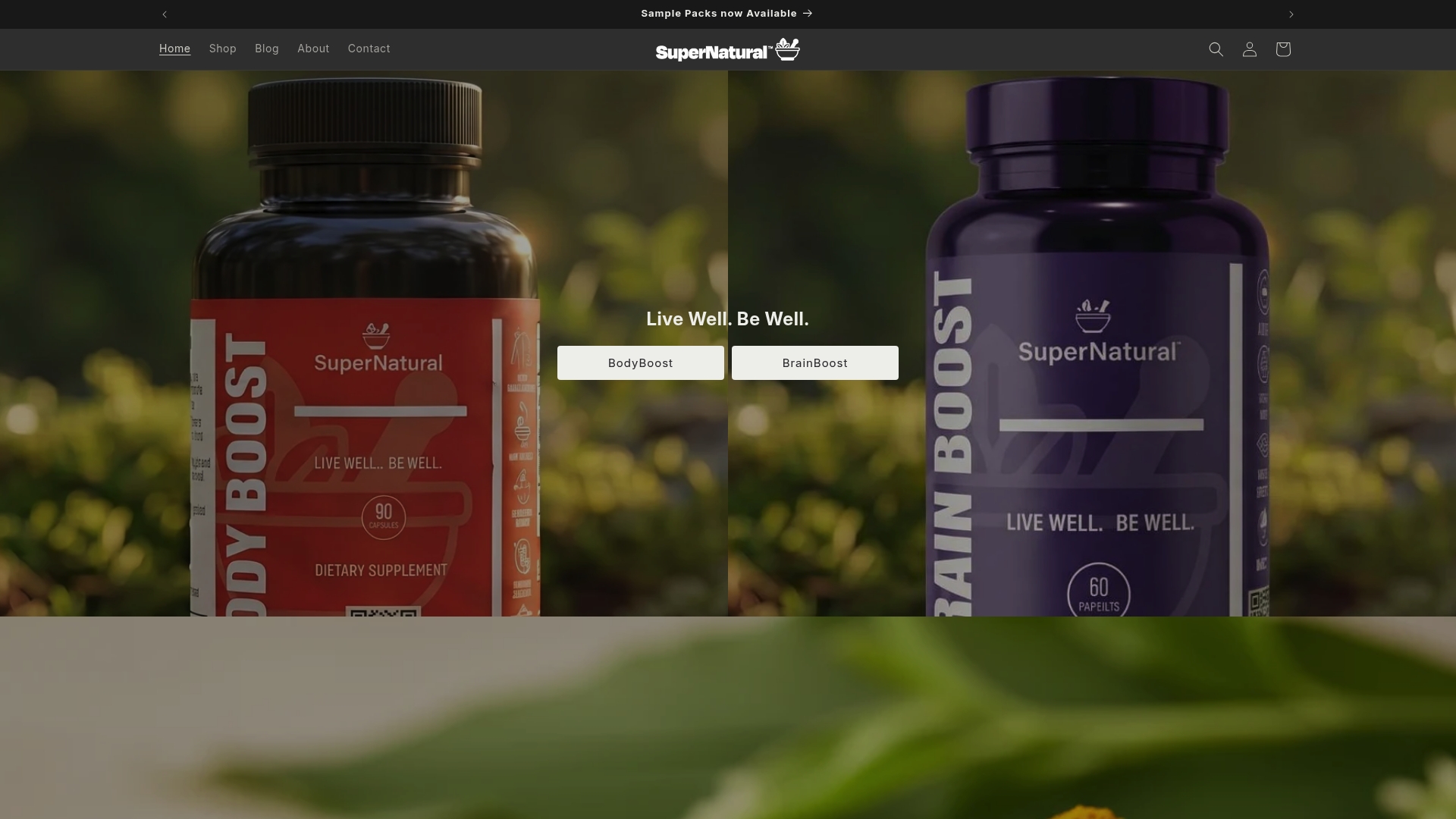
For cognitive support specifically, BrainBoost is designed around the working memory and processing speed evidence, delivering curcumin in a form your body can actually use at the concentrations the research supports. Whether your priority is inflammation, brain health, or metabolic support, our full range is available to explore at the SuperNatural supplement shop. Every product is backed by the same commitment to bioavailability and transparency that this article reflects.
Frequently asked questions
How long does it take to see benefits from curcumin supplements?
Most research shows meaningful effects after 8 weeks of consistent use, especially for inflammation and metabolic markers like CRP, LDL, and triglycerides.
Is piperine always necessary for curcumin absorption?
Piperine delivers a significant bioavailability boost but may not meaningfully increase free, unconjugated curcumin in plasma; advanced delivery systems like phytosomes or BioSoluble formulations offer effective alternatives.
Are curcumin supplements safe for people with liver conditions?
Enhanced bioavailability forms carry a higher hepatotoxicity risk and require monitoring of liver enzymes, especially for users with pre-existing liver conditions or those taking other hepatic-sensitive medications.
Can curcumin supplements improve overall cognitive function?
Curcumin shows targeted improvements in working memory and processing speed in human studies, but does not produce a statistically significant effect on global cognition overall.
What signs should I watch for if I am concerned about side effects?
The most common issues are GI discomfort such as nausea or bloating; in rare cases, elevated liver enzymes can occur with high-bioavailability formulations, so consult your healthcare provider if you notice unusual fatigue, digestive changes, or right-side abdominal discomfort.