

Healthy inflammation management is the practice of using diet, lifestyle changes, and natural remedies to reduce chronic inflammation and improve overall health. Chronic inflammation is linked to conditions ranging from joint pain to cardiovascular disease, making this a priority for anyone focused on long-term well-being. Institutions like the Cleveland Clinic, MD Anderson, and Mayo Clinic all point to the same core strategies: eat whole foods, move regularly, manage stress, sleep well, and support your body with quality supplements. This guide gives you a clear, research-backed path to follow.
What foods help reduce inflammation and which to avoid?
Diet is the most direct lever you have for controlling inflammation. The foods you eat either signal your immune system to calm down or push it toward a chronic state of alert. Getting this right is the foundation of any effective inflammation control strategy.
Foods that fight inflammation
The strongest evidence points to Mediterranean and vegetarian dietary patterns as the most effective eating approaches for reducing low-grade systemic inflammation. That finding comes from a meta-review covering 225 studies across 30 systematic reviews. The common thread in both patterns is an abundance of whole, minimally processed plant foods.
Stock your plate with these anti-inflammatory staples:
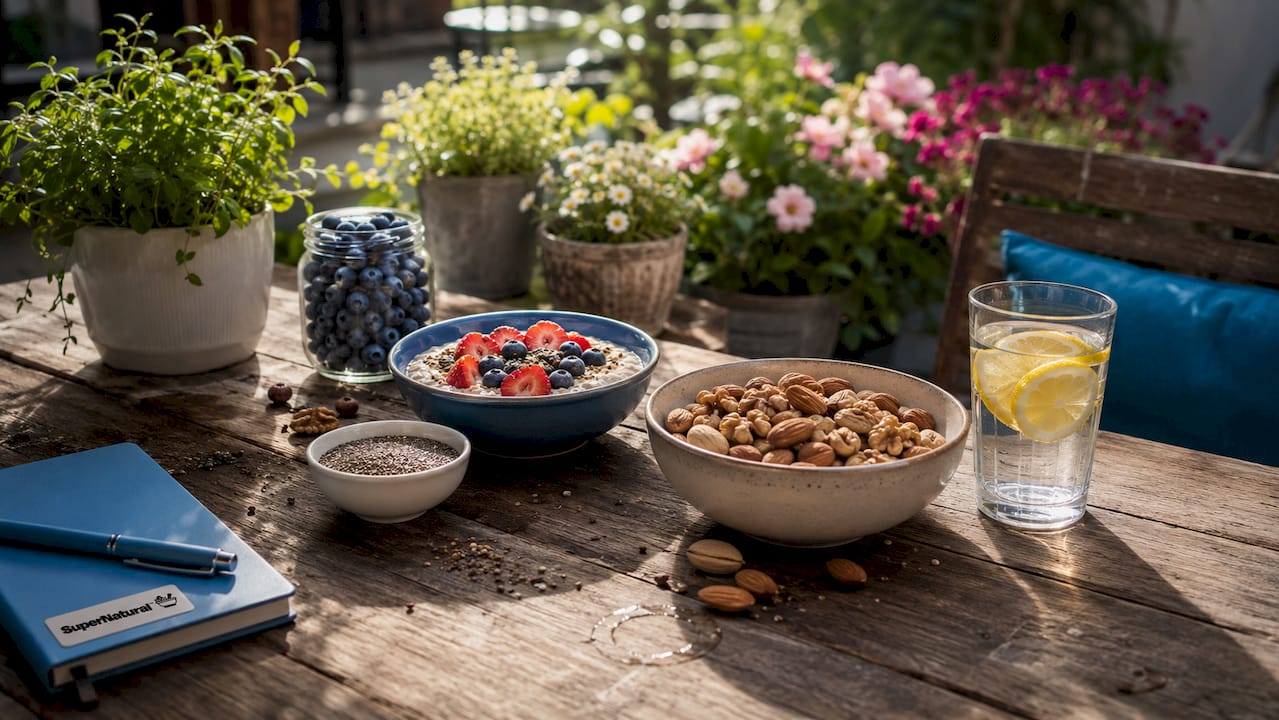
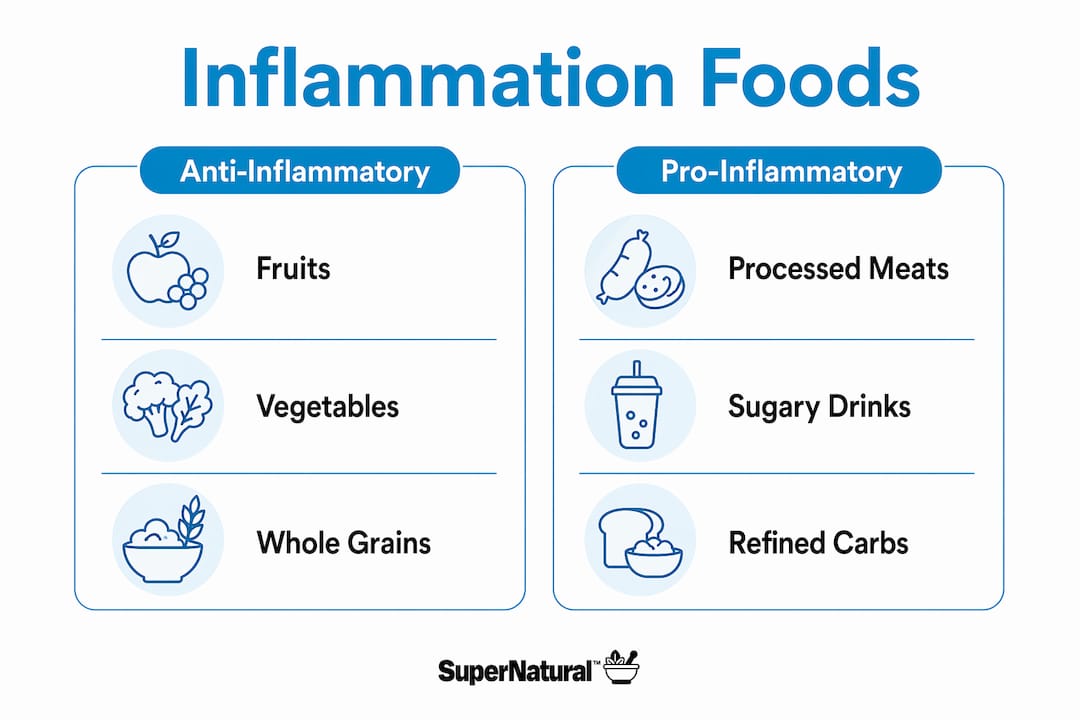
- Fruits and vegetables: Berries, leafy greens, tomatoes, and cruciferous vegetables like broccoli
- Whole grains and legumes: Oats, brown rice, lentils, and chickpeas
- Healthy fats: Extra-virgin olive oil, avocados, and fatty fish like salmon and sardines
- Nuts and seeds: Walnuts, flaxseeds, and chia seeds
- Spices: Turmeric (which contains curcuminoids), ginger, and cinnamon
Dietary fiber ferments in your gut into short-chain fatty acids like butyrate, which strengthen the gut barrier and suppress inflammation. This means oats and whole grains do double duty: they feed you and protect your gut lining at the same time.
Foods that drive inflammation
Processed meats, sugary drinks, fried foods, and refined carbohydrates all promote inflammation. These foods spike blood sugar, disrupt gut bacteria, and trigger immune responses. Ultra-processed snacks and fast food are the biggest offenders. Cutting them out is not about perfection. It is about reducing the daily inflammatory load your body has to manage.
Pro Tip: Eat the rainbow. Choosing fruits and vegetables across a wide color spectrum gives you a broader range of antioxidants and phytonutrients. No single food is a magic fix. The cumulative effect of diverse whole foods is what drives lasting results, according to Mayo Clinic.
How does physical activity contribute to lowering inflammation?
Exercise is one of the most well-documented natural inflammation relief tools available. Regular movement reduces circulating inflammatory markers and improves immune regulation. The key word is regular. A single workout does not move the needle much. Sustained activity over weeks and months does.
Building a sustainable exercise routine
Healthcare institutions recommend a clear target: at least 150 minutes of moderate-intensity exercise or 75 minutes of vigorous exercise per week. That translates to roughly 30 minutes of brisk walking, five days a week. Research also shows that long-term moderate exercise sustained for over 12 weeks yields the greatest reductions in inflammatory markers. Consistency matters far more than intensity.
Here is a practical approach to building the habit:
- Start with 10-minute walks. Three short walks per day add up to 30 minutes without feeling like a workout.
- Add resistance training twice a week. Bodyweight exercises like squats and push-ups reduce visceral fat, which is a major driver of inflammation.
- Choose activities you enjoy. Swimming, cycling, dancing, and yoga all count. Enjoyment is the best predictor of long-term adherence.
- Track your minutes, not your intensity. Hitting the weekly target consistently matters more than pushing hard occasionally.
- Rest and recover properly. Overtraining without recovery can actually raise inflammatory markers. Balance effort with rest.
Pro Tip: If you are new to exercise, start with two days per week and add one day each month. Gradual progression prevents injury and builds a habit that sticks.
What lifestyle habits, beyond diet and exercise, help manage inflammation?
Diet and exercise are the headline acts, but several other lifestyle factors quietly drive chronic inflammation. Addressing them is what separates short-term relief from lasting change.
Stress management
Stress hormones are a primary driver of systemic inflammation. When cortisol and adrenaline stay elevated for weeks or months, your immune system stays on high alert. Meditation, deep breathing, and mindfulness practices are among the most effective tools for bringing stress hormones down. Professional support from a therapist or counselor is often overlooked but can be critical for people dealing with chronic stress.
Sleep and hydration
Quality sleep is a non-negotiable part of any inflammation management plan. Adults need 7–9 hours per night. Sleep deprivation raises inflammatory cytokines, the same proteins that drive conditions like arthritis and cardiovascular disease. Hydration supports the kidneys and lymphatic system in clearing inflammatory waste products. Aim for water as your primary beverage and limit alcohol, which disrupts sleep and raises inflammation.
Weight management and other hidden contributors
These lifestyle factors also deserve your attention:
- Weight management: Excess body fat, especially around the abdomen, produces inflammatory cytokines. Weight management, combined with exercise and smoking cessation, forms the three primary lifestyle levers that reduce inflammatory burden.
- Smoking cessation: Smoking is a direct inflammatory trigger. Quitting reduces systemic inflammation within weeks.
- Oral hygiene: Poor oral hygiene causes gum inflammation that releases cytokines into the bloodstream, worsening systemic inflammation. Brushing, flossing, and regular dental visits are legitimate inflammation control strategies.
- Regular health monitoring: Tracking markers like C-reactive protein (CRP) with your doctor gives you objective data on whether your efforts are working.
Keeping a detailed food and symptom journal helps identify personal trigger foods more effectively than broad elimination diets. This is a practical tool the American College of Rheumatology recommends for people managing inflammatory conditions.
How can natural supplements support healthy inflammation management?
Supplements work best as a complement to diet and lifestyle changes, not a replacement for them. The right supplements, at the right quality and dose, can fill gaps that food alone does not always cover.
Key supplements with research support
- Curcumin: The active compound in turmeric, curcumin has well-documented anti-inflammatory properties. The challenge is bioavailability. Standard curcumin supplements are poorly absorbed by the body. Think of it like wanting a strong cup of coffee instead of just sniffing the beans. You need the compound to actually enter your bloodstream to do its job.
- Omega-3 fatty acids: Found in fish oil and algae-based supplements, omega-3s reduce the production of inflammatory eicosanoids. They are one of the most studied supplements for chronic inflammation solutions.
- Polyphenol-rich extracts: Compounds from green tea, resveratrol, and quercetin show anti-inflammatory activity in clinical research. Quality and standardization vary widely across products.
Why bioavailability matters more than you think
A supplement with poor absorption delivers little benefit, regardless of the dose on the label. SuperNatural Supplements addresses this directly with its patented BioSoluble Curcumin process, which significantly increases curcumin absorption compared to standard formulations. Their BodyControl product is designed to support detoxification and a healthy inflammatory response using this enhanced delivery method. You can read more about how curcumin supports inflammation and what to look for in an effective supplement.
Pro Tip: Always check with your doctor before starting any new supplement, especially if you take prescription medications. Curcumin and omega-3s can interact with blood thinners.
Key takeaways
Sustainable inflammation management requires consistent action across diet, exercise, stress, sleep, and supplement quality, not a single fix applied overnight.
| Point | Details |
|---|---|
| Diet is the foundation | Mediterranean and vegetarian eating patterns have the strongest evidence for reducing systemic inflammation. |
| Exercise requires consistency | Moderate exercise sustained for over 12 weeks produces the greatest reductions in inflammatory markers. |
| Stress drives inflammation | Cortisol and stress hormones keep the immune system on high alert; meditation and professional support help. |
| Hidden factors matter | Oral hygiene, sleep quality, and weight management all directly affect inflammatory burden. |
| Supplement quality counts | Bioavailability determines whether a supplement actually works; patented delivery systems like BioSoluble Curcumin improve absorption. |
What we have learned about sustainable inflammation control
The most common mistake we see is treating inflammation management like a sprint. People overhaul their entire diet in a week, burn out by week three, and conclude that “it didn’t work.” The research is clear: initial sensitivity responses may appear in 2–3 weeks, but sustainable change takes 3–6 months. That timeline is not a flaw in the approach. It is how human biology works.
We have also noticed that stress gets underestimated almost every time. People will spend hours meal prepping and tracking their steps while running on five hours of sleep and a full plate of unresolved anxiety. Stress hormones can undo a lot of good dietary work. Addressing stress is not soft advice. It is physiology.
The other thing worth saying plainly: over-the-counter anti-inflammatory medications treat symptoms temporarily. They do not address the root causes of chronic inflammation. Lifestyle interventions do. That does not mean avoiding medication when you need it. It means not using it as a substitute for the habits that actually change your baseline.
Patience, consistency, and a willingness to address all the contributing factors, not just the obvious ones, are what separate people who manage inflammation well from those who stay stuck in cycles of flare-ups and frustration.
— SuperNatural
SuperNatural Supplements and your inflammation management plan
SuperNatural Supplements was built around one core problem: most curcumin supplements do not absorb well enough to deliver real benefits. The patented BioSoluble Curcumin process solves that by significantly increasing bioavailability compared to standard curcumin formulations. BodyControl is designed to support detoxification and a healthy inflammatory response, making it a natural fit alongside the diet and lifestyle strategies covered here. For readers focused on immunity, BodyBoost provides targeted immune support. Every product is built to complement a balanced health plan, not replace one. If you are ready to add a research-backed supplement layer to your inflammation control strategy, explore the full range at SuperNatural Supplements.
FAQ
What is the fastest way to reduce inflammation naturally?
Eliminating processed foods, sugary drinks, and refined carbohydrates while adding anti-inflammatory foods like fatty fish, leafy greens, and olive oil can produce noticeable changes within 2–3 weeks. Sustainable results, however, require consistent habits maintained over 3–6 months.
How does exercise reduce inflammation?
Moderate exercise lowers circulating inflammatory markers by regulating immune cell activity and reducing visceral fat, which produces inflammatory cytokines. The greatest reductions occur when exercise is sustained consistently for more than 12 weeks.
Can stress cause chronic inflammation?
Yes. Stress hormones like cortisol directly trigger immune responses that raise systemic inflammation. Chronic stress without adequate management keeps the body in a prolonged inflammatory state.
What makes curcumin supplements effective for inflammation?
Curcumin, the active compound in turmeric, blocks key inflammatory pathways. Standard curcumin has low bioavailability, meaning most of it passes through the body unabsorbed. Formulations using enhanced delivery systems, like SuperNatural Supplements’ BioSoluble Curcumin, significantly improve absorption and effectiveness.
How do I know if my inflammation is improving?
Your doctor can measure C-reactive protein (CRP) and other inflammatory markers through a blood test. Symptom tracking through a food and symptom journal also helps identify patterns and progress over time.
This article is provided for educational and informational purposes only and does not constitute providing medical advice or professional services. Always consult with a qualified and licensed physician or other medical care provider. Statements have not been evaluated by the Food & Drug Administration. This product is not intended to diagnose, treat, cure, or prevent any disease.