

Healthy lifestyle habits are daily practices that protect physical and mental well-being over the long term. Research from Harvard Health shows that five core habits can extend life expectancy by more than a decade. Women who adopted all five lived to 93 on average, compared to 79 for those who adopted none. Men reached nearly 88 versus 75. These numbers are not abstract. They represent real years of better health, sharper thinking, and greater independence. The CDC and the American Heart Association both recognize the same foundational behaviors: balanced nutrition, regular movement, quality sleep, stress management, and adequate hydration.
1. What are the best examples of healthy lifestyle habits?
The most impactful examples of healthy lifestyle habits share one trait: they are repeatable, not perfect. You do not need a complete overhaul. You need consistent daily practices that compound over time.
Here are the ten habits with the strongest evidence behind them.
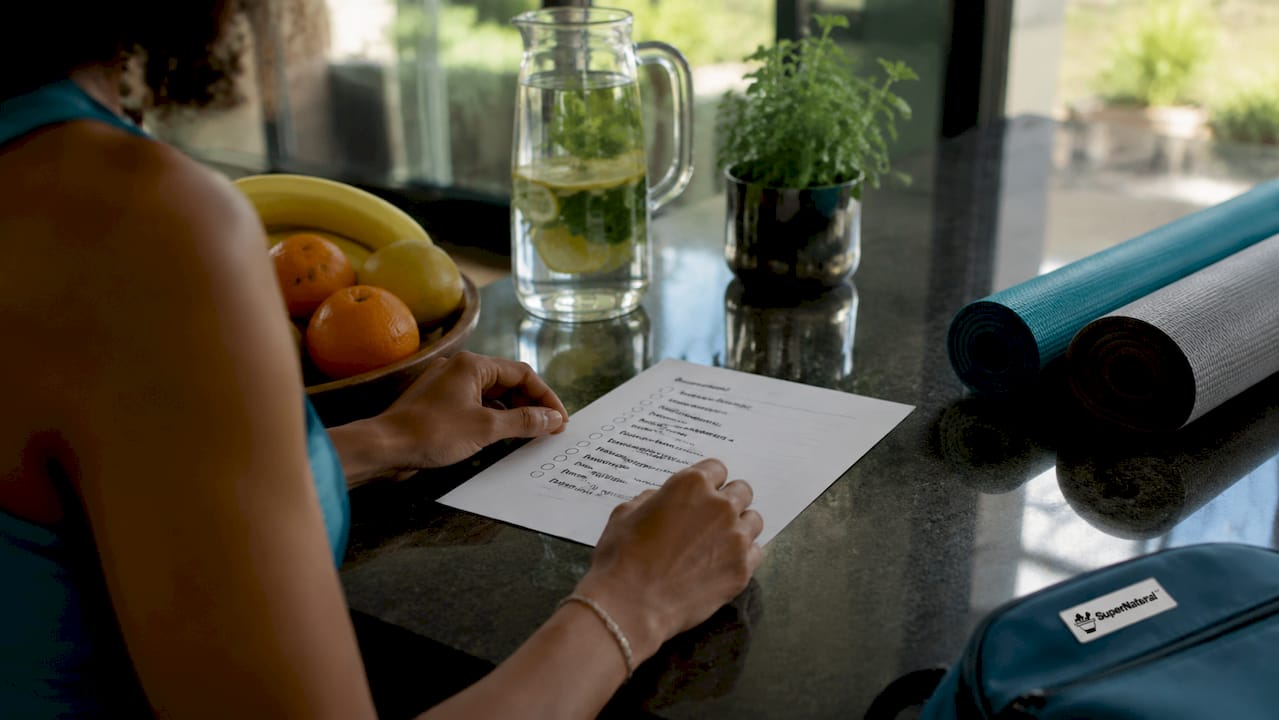
2. Eating a balanced, whole-food diet
A balanced diet is the single most controllable factor in long-term health. Prioritize fruits, vegetables, whole grains, and lean proteins at every meal. Limit processed foods, added sugars, and saturated fats, which drive systemic inflammation and raise chronic disease risk.
The Mediterranean diet is the most studied eating pattern for disease prevention. It emphasizes plants, healthy fats like olive oil, and lean protein. Think of it less as a strict diet and more as a flexible food philosophy. That flexibility is exactly why people stick with it long term.
Pro Tip: Prep two or three base ingredients on Sunday, such as roasted vegetables, cooked grains, and a protein source. You can build five different meals from those three components without thinking twice.
3. Meeting your daily protein needs
Protein intake is one of the most underrated healthy daily routines for adults. Protein guidelines recommend 0.8 to 1.0 grams per kilogram of body weight daily. For a 150-pound person, that translates to roughly 55 to 70 grams per day. Adequate protein preserves muscle mass, supports immune function, and keeps you full longer.
Most adults fall short without realizing it. Tracking protein for even one week builds awareness that sticks. Eggs, Greek yogurt, legumes, fish, and chicken are practical, affordable sources. Understanding why dietary choices matter for long-term health makes it easier to prioritize protein at each meal.
4. Staying properly hydrated
Hydration directly affects metabolism, cognitive function, and physical performance. Even mild dehydration reduces concentration and increases fatigue. Most adults need roughly 8 cups of water daily, though activity level and climate raise that number.
The simplest habit is to drink a full glass of water first thing in the morning before coffee or food. This restores fluid lost overnight and signals your body to wake up. Carry a reusable bottle throughout the day as a visual cue. Herbal teas and water-rich foods like cucumbers and watermelon also count toward daily intake.
5. Getting at least 150 minutes of aerobic activity per week
Physical activity is non-negotiable for cardiovascular health. The recommended minimum is 150 minutes of moderate-intensity aerobic exercise per week. That breaks down to just 30 minutes on five days. Splitting sessions into shorter blocks is equally effective if your schedule demands it.
Walking, cycling, swimming, and dancing all qualify. The key is raising your heart rate to a level where you can talk but not sing. Thirty minutes of daily movement is linked to significant reductions in heart disease risk. That is a powerful return on a small time investment.
6. Adding strength training to your routine
Strength training is the complement to aerobic exercise that most people skip. Building muscle mass protects joints, improves posture, and raises resting metabolism. The American Heart Association recommends muscle-strengthening activities on at least two days per week.
You do not need a gym. Bodyweight exercises like squats, push-ups, and lunges build real strength at home. Resistance bands add variety without equipment costs. Yoga and Pilates also build functional strength while improving flexibility and balance, making them excellent options for all fitness levels and ages.
Pro Tip: Pair strength training with a habit you already have. If you make coffee every morning, do two sets of squats while it brews. This is habit stacking in action, and it works.
7. Prioritizing consistent, quality sleep
Sleep is the body’s primary recovery system. Consistent sleep schedules reduce anxiety, support physical repair, and regulate the hormones that control hunger and stress. Daily routines that include predictable sleep and wake times lower cognitive fatigue and support circadian rhythm regulation.
Most adults need 7 to 9 hours per night. The quality of those hours matters as much as the quantity. Dim lights an hour before bed, keep your room cool, and avoid screens in the 30 minutes before sleep. Sleep-tracking devices provide objective data on which habits genuinely improve your recovery, removing the guesswork from sleep optimization.
8. Managing stress with proven techniques
Stress raises blood pressure and worsens pain perception over time. Building stress-management skills early protects against future health problems that are far harder to reverse. The mind and body are directly linked. Chronic stress does not stay in your head. It shows up in your heart, your gut, and your immune system.
Effective techniques include:
- Meditation: Even 5 minutes of focused breathing lowers cortisol measurably.
- Deep breathing: Box breathing (4 counts in, hold 4, out 4, hold 4) activates the parasympathetic nervous system.
- Digital breaks: Scheduled time away from screens reduces mental overload and improves focus.
- Physical movement: A 10-minute walk is one of the fastest ways to shift your stress response.
Learning how to cope with stress before it becomes chronic is one of the highest-return investments in long-term wellness.
9. Building a structured daily routine
Structured routines reduce decision fatigue and support emotional well-being. Predictable daily patterns lower anxiety and regulate circadian rhythms, which govern sleep, digestion, and mood. A morning routine that eliminates small decisions, such as laying out clothes the night before or prepping breakfast in advance, frees mental energy for things that matter.
Evening rituals signal to your brain that the day is ending. This transition is not trivial. It directly improves sleep onset and recovery quality. Simple rituals like reading, light stretching, or journaling for 10 minutes create a reliable off-switch for the nervous system.
10. Using habit stacking to make new habits stick
Habit stacking anchors a new behavior to an existing automatic one, reducing reliance on willpower. The formula is simple: after I do X, I will do Y. After you pour your morning coffee, take your supplements. After you brush your teeth at night, do two minutes of stretching. The existing habit becomes the trigger.
This approach works because it removes the need to remember or motivate yourself. The new habit rides the momentum of the old one. Adopting healthy habits through small, stacked behaviors also reduces the risk of chronic disease over time, including type 2 diabetes and cardiovascular conditions.
Pro Tip: Write your habit stack on a sticky note and place it where the trigger happens. Seeing it for the first 21 days builds the neural pathway faster.
11. Supporting your habits with targeted supplementation
Lifestyle habits form the foundation of good health. Targeted supplementation fills the gaps that diet and exercise alone cannot always cover. Curcumin, the active compound in turmeric, supports a healthy inflammatory response. The challenge is that standard curcumin absorbs poorly in the body, like wanting a strong cup of coffee instead of just sniffing the beans. The role of supplements in wellness depends entirely on whether the active ingredient actually reaches your cells.
SuperNatural Supplements addresses this with BioSoluble® Curcumin™, a patented process that significantly improves bioavailability compared to standard curcumin. BodyControl supports detoxification and a healthy inflammatory response. BodyBoost targets immune function. BrainBoost supports cognitive clarity. These products are designed to complement the daily practices covered throughout this article.
Key takeaways
The most effective approach to healthy living combines balanced nutrition, consistent movement, quality sleep, and stress management into repeatable daily routines.
| Point | Details |
|---|---|
| Five habits extend life | Harvard research shows five core habits add over a decade to average life expectancy. |
| 150 minutes of movement weekly | Moderate aerobic activity for 30 minutes on five days meets the minimum cardiovascular standard. |
| Protein targets matter | Aim for 0.8 to 1.0 grams per kilogram of body weight daily to preserve muscle and support immunity. |
| Habit stacking beats willpower | Anchoring new habits to existing ones removes the need for motivation and improves long-term adherence. |
| Sleep and stress are non-negotiable | Consistent sleep schedules and active stress management protect both physical and mental health. |
What we have learned from watching people actually change
The biggest mistake we see is the all-or-nothing mindset. Someone commits to a perfect diet, a daily workout, eight hours of sleep, and meditation all at once. By week two, one missed gym session feels like failure, and the whole plan collapses. That is not a discipline problem. It is a design problem.
Minimum viable habits are the answer. On a hard day, your minimum viable habit for exercise might be a 10-minute walk instead of a 45-minute run. That still counts. It keeps the identity intact. The person who walks on hard days is still a person who moves. That identity is what carries the habit through months and years.
We also believe most people underestimate the role of inflammation in how they feel day to day. Fatigue, brain fog, and joint discomfort are not just signs of aging. They are often signs of a body under chronic low-grade stress. Nutrition, sleep, and movement address this directly. So does targeted supplementation when the diet alone falls short.
Start with two habits. Stack them onto something you already do. Give it 30 days before adding a third. That is not slow. That is how lasting change actually works.
— SuperNatural
How SuperNatural Supplements fits into your daily health routine
Building strong daily health practices takes consistency, and the right nutritional support makes that consistency easier to maintain.
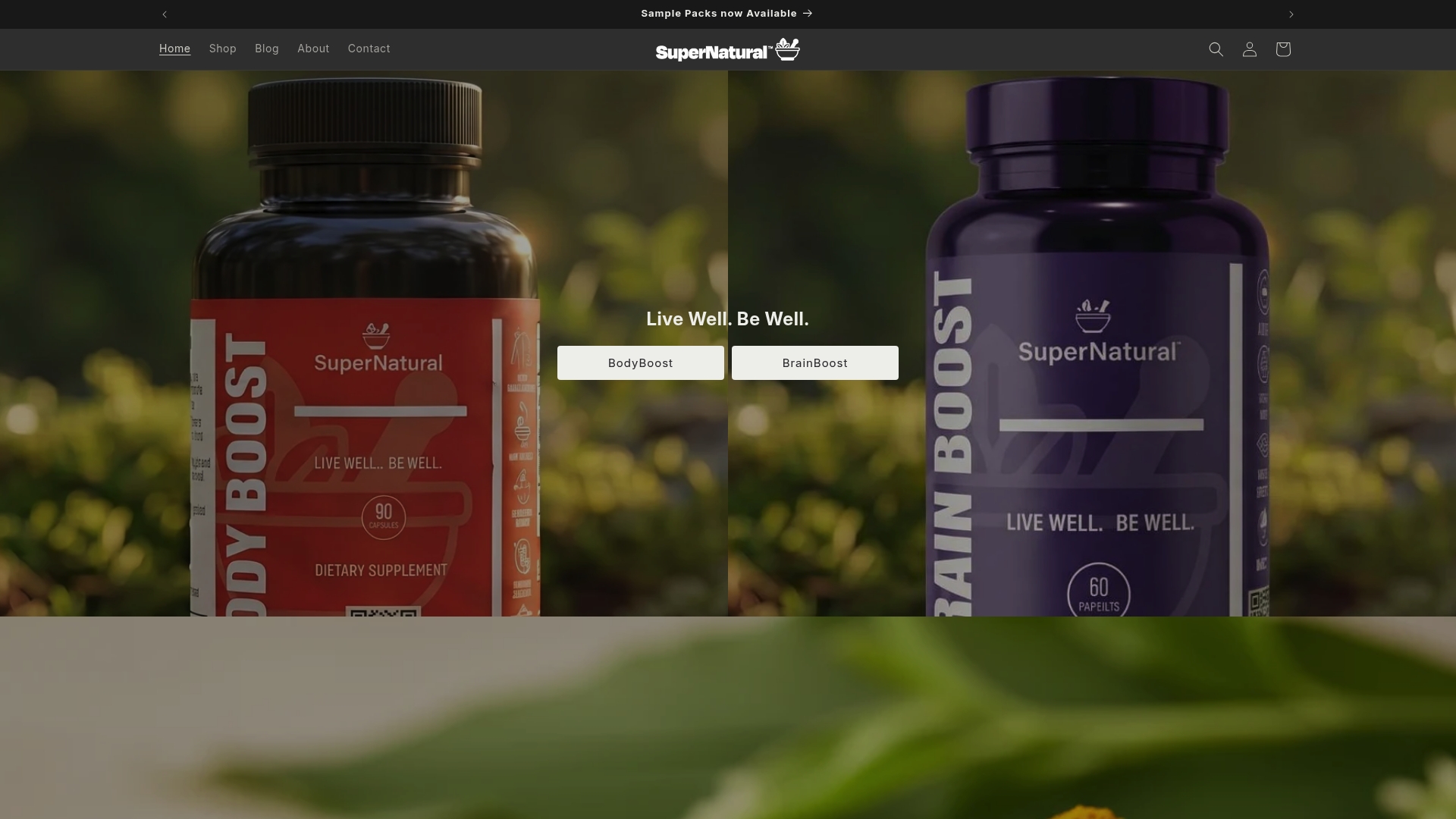
SuperNatural Supplements was built to complement the habits covered in this article. BioSoluble® Curcumin™ uses a patented absorption process that delivers curcumin to your cells far more effectively than standard formulas. BodyControl supports detoxification and a healthy inflammatory response for people focused on clean nutrition and recovery. BodyBoost targets immune health for those prioritizing daily wellness. BrainBoost supports cognitive focus for people managing demanding schedules. Each product is grounded in science and designed to work alongside the lifestyle habits you are already building.
FAQ
What are the most important healthy lifestyle habits?
The five most impactful habits are balanced nutrition, regular physical activity, quality sleep, stress management, and adequate hydration. Harvard research shows these five habits together can extend life expectancy by more than a decade.
How much exercise do I need each week?
The recommended minimum is 150 minutes of moderate-intensity aerobic activity per week, plus strength training on at least two days. Splitting sessions into 30-minute blocks on five days meets this standard.
How does stress affect physical health?
Chronic stress raises blood pressure and worsens pain perception over time. Building stress-management practices like meditation, deep breathing, and regular movement protects against long-term physical health problems.
What is habit stacking and does it work?
Habit stacking pairs a new behavior with an existing automatic one, such as taking supplements after pouring your morning coffee. This method reduces reliance on willpower and significantly improves long-term habit adherence.
How do I support immune health naturally through daily habits?
Regular exercise, quality sleep, a nutrient-rich diet, and stress reduction all directly support immune function. Learning how to support immune health through natural approaches gives you a clear framework for daily practice.
This article is provided for educational and informational purposes only and does not constitute providing medical advice or professional services. Always consult with a qualified and licensed physician or other medical care provider. Statements have not been evaluated by the Food & Drug Administration. This product is not intended to diagnose, treat, cure, or prevent any disease.