

Herbal options for better concentration are plant-derived compounds that support mental clarity, attention, and sustained focus through specific neurological and physiological mechanisms. The most effective include the caffeine and L-theanine combination, Bacopa monnieri, Rhodiola rosea, and Ginkgo biloba, each targeting a distinct cognitive challenge. These are not stimulants in the traditional sense. The highest-rated herbs for focus emphasize calm alertness and stress modulation rather than jittery energy. Used correctly alongside sleep, hydration, and a balanced diet, they offer a credible, evidence-backed path to sharper thinking.
1. What are the top herbal options for better concentration?
The caffeine and L-theanine combination produces the strongest documented effect for sustained, calm focus. Effect sizes of g=0.6–1.0 place this pairing well above caffeine alone (g=0.27–0.28) or L-theanine alone (d=0.3–0.5). Think of it like wanting a strong cup of coffee without the shaky hands. The L-theanine smooths out caffeine’s edge while preserving its alertness benefit.
Pro Tip: Start with 50 mg caffeine paired with 100 mg L-theanine. This ratio delivers the calm focus effect without the anxiety spike that higher caffeine doses often cause.

2. Bacopa monnieri for long-term memory support
Bacopa monnieri is the top choice for people whose concentration problems stem from poor working memory rather than fatigue. It works by supporting synaptic communication in the hippocampus, the brain region most involved in learning and recall. The catch is patience. Bacopa requires 4–12 weeks of consistent daily intake before benefits become noticeable. That timeline surprises many people who expect a quick fix, but the results are worth the wait.
3. Rhodiola rosea for stress-related mental fog
Rhodiola rosea is an adaptogen, meaning it helps the body regulate its response to physical and mental stress. When concentration breaks down because of burnout or chronic pressure, Rhodiola addresses the root cause rather than masking it. It acts acutely, with effects appearing within 30–60 minutes for some people. This makes it one of the few herbs that works for both immediate relief and longer-term resilience when taken consistently.
4. Ginkgo biloba for circulation and alertness
Ginkgo biloba improves blood flow to the brain, which directly supports alertness and processing speed. It is one of the most studied plants that improve attention in older adults, particularly those experiencing age-related cognitive slowdown. Ginkgo is not a stimulant. Its benefit comes from better oxygen and nutrient delivery to brain tissue, which is a fundamentally different mechanism than caffeine. Pair it with a brain-healthy diet for the best results.
5. Sage for short-term memory enhancement
Sage (Salvia officinalis) is one of the most underrated natural remedies for focus. Research shows it inhibits acetylcholinesterase, the enzyme that breaks down acetylcholine, a neurotransmitter central to memory and attention. The effect is acute, meaning you can notice sharper recall within an hour of use. Culinary amounts are safe for most people, and concentrated extracts are available for those seeking a more targeted effect.
6. Panax ginseng for mild cognitive support
Panax ginseng provides mild but consistent cognitive support, particularly for mental fatigue and reaction time. It works partly through anti-inflammatory pathways and partly by modulating neurotransmitter activity. The effect is subtle compared to the caffeine and L-theanine combination, but it suits people who are sensitive to stimulants. Ginseng is also one of the herbs with the longest history of use in traditional medicine, which gives it a well-documented safety profile at standard doses.
7. Theacrine as a caffeine alternative
Theacrine (found naturally in Camellia kucha tea) produces alertness and focus through similar pathways to caffeine but without the tolerance buildup that makes caffeine less effective over time. This makes it a strong option for people who rely on caffeine daily and find it no longer works as well. Theacrine’s effects are smoother and longer-lasting for many people. It is one of the newer additions to the best herbal supplements for focus conversation, but the evidence behind it is growing.
8. Black cardamom extract for attention and processing speed
Black cardamom extract (specifically the MA2-24 fraction) is one of the most promising emerging herbs for mental clarity. A 2026 pilot study found cognitive-enhancing effects lasting 1–3 hours, extended to 5–8 hours when combined with caffeine. The study measured improvements in attention, working memory, and processing speed. This synergistic effect with caffeine makes black cardamom a compelling addition to a focus stack for people who already use caffeine regularly.
How these herbs differ in mechanism, onset, and best use
Not all herbs for mental clarity work the same way or on the same timeline. Matching the herb to your specific concentration challenge is the most reliable path to results.
- Immediate-acting herbs (within 15–60 minutes): Caffeine + L-theanine, Rhodiola rosea, Sage. Best for acute focus demands like presentations, exams, or deep work sessions.
- Chronic-use herbs (4–12 weeks for full effect): Bacopa monnieri. Best for people with ongoing memory issues or long-term cognitive goals.
- Circulation-based herbs: Ginkgo biloba. Best for people experiencing age-related mental slowdown or poor alertness unrelated to stress or fatigue.
- Stress-modulating adaptogens: Rhodiola rosea, Panax ginseng. Best when mental fog is driven by burnout, anxiety, or chronic stress.
- Stimulant alternatives: Theacrine, black cardamom. Best for people who are caffeine-sensitive or have built up a tolerance.
Consumers often mistake herbal options as immediate stimulants across the board. Understanding onset times prevents frustration and improves outcomes. If you start Bacopa expecting results in a week, you will likely quit before the herb has a chance to work.
What safety considerations should you know?
Herbal supplements carry real risks, especially in concentrated supplement form. Culinary use of herbs like sage, turmeric, and ginseng is generally safe. Concentrated extracts are a different matter.
- Blood-thinning risk: Concentrated Ginkgo, Ginseng, and Turmeric carry blood-thinning effects. People on anticoagulants like warfarin should consult a physician before using these herbs.
- Liver risk: Rare but documented cases of liver damage are associated with Gotu Kola and high-dose Ginseng. This risk is low at standard doses but rises with prolonged high-dose use.
- Drug interactions: Ginkgo biloba interacts with blood pressure medications and antidepressants. Rhodiola may interact with stimulant medications.
- Multi-herb stacking: Taking several herbs simultaneously without guidance increases the risk of interactions. Matching one primary herb to your root cause is more effective and safer than combining many at once.
- Sourcing quality: Some concentrated herbal supplements carry risks that culinary forms do not. Choose products with third-party testing and clear dosage labeling.
Pro Tip: Always check with your doctor before starting any herbal supplement, especially if you take prescription medications or have a chronic health condition. This is not a formality. It is the step that prevents serious interactions.
How lifestyle factors complement herbs for concentration
Herbs work best when the foundation is already solid. Lifestyle factors like hydration, balanced nutrition, and sleep are foundational to brain function. No herb compensates for chronic sleep deprivation or a diet that spikes and crashes blood sugar all day.
- Sleep: Seven to nine hours of quality sleep is the single most powerful cognitive enhancer available. Herbs support focus; sleep restores it.
- Hydration: Even mild dehydration impairs attention and short-term memory. Drink water before reaching for a supplement.
- Physical activity: Exercise increases cerebral blood flow and supports neuroplasticity. It amplifies the effects of circulation-based herbs like Ginkgo.
- Diet: Brain-healthy dietary patterns like the MIND diet and the Mediterranean diet reduce cognitive decline risk over time. They provide the raw materials that herbs help the brain use more efficiently.
- Multivitamins for older adults: A COSMOS trial found that daily multivitamin supplementation over 2 years slowed cognitive aging by 2 years and improved episodic memory in adults 60 and older. This suggests that nutritional gaps, not just herb deficits, drive cognitive decline in many people.
How to choose the right herb for your concentration challenge
Matching herbs to underlying causes such as stress, memory deficits, or blood flow issues is the most effective approach. The table below maps common concentration problems to the most appropriate herbal option.
| Concentration challenge | Best herbal option | Onset |
|---|---|---|
| Stress-driven mental fog | Rhodiola rosea | 30–60 minutes |
| Poor working memory | Bacopa monnieri | 4–12 weeks |
| Age-related alertness decline | Ginkgo biloba | 2–4 weeks |
| General fatigue and low drive | Caffeine + L-theanine | 15–30 minutes |
| Caffeine tolerance or sensitivity | Theacrine | 30–60 minutes |
Start with one herb. Assess your primary concentration challenge honestly. If your focus breaks down under pressure, Rhodiola is your starting point. If you struggle to retain information, Bacopa is the better fit. Stacking multiple herbs before you understand how each one affects you individually is like adjusting three variables at once. You will never know what is working.
For a deeper look at how to stack herbal supplements effectively, evidence-based guidance is available from specialists in herbal combinations.
Key takeaways
The most effective herbal options for better concentration work by targeting specific cognitive challenges, not by delivering a generic energy boost.
| Point | Details |
|---|---|
| Caffeine + L-theanine leads | This combination has the strongest documented effect size (g=0.6–1.0) for calm, sustained focus. |
| Match herb to root cause | Stress calls for Rhodiola; memory gaps call for Bacopa; circulation issues call for Ginkgo. |
| Onset times vary widely | Caffeine combos work in 15–30 minutes; Bacopa requires 4–12 weeks of consistent use. |
| Safety requires care | Concentrated Ginkgo, Ginseng, and Turmeric carry blood-thinning risks; always consult a physician first. |
| Lifestyle is non-negotiable | Sleep, hydration, and diet amplify herbal effects; no supplement replaces these foundations. |
What we’ve learned from years of working with herbal cognitive support
The most common mistake we see is people treating herbal supplements like a light switch. They take Bacopa for a week, feel nothing, and conclude it does not work. That is not a failure of the herb. It is a failure of expectation management.
The herbs that produce the most reliable results for calm focus are not the ones that hit hardest. Rhodiola and the caffeine and L-theanine combination consistently outperform flashier options because they work with the brain’s existing chemistry rather than forcing an artificial state. We have seen people chase intense stimulant effects and end up more anxious and less focused than when they started.
Start small. Track your results honestly. Give chronic-use herbs the full 8–12 weeks before drawing conclusions. And treat your lifestyle as part of the protocol, not a separate concern. The people who get the best results from herbal cognitive support are the ones who sleep well, eat well, and use herbs as a targeted addition, not a replacement for the basics.
The plant-based supplement rationale is sound when the approach is disciplined. Herbs do not hack the brain. They nourish it. That distinction changes everything about how you use them.
— SuperNatural
SuperNatural Supplements’ BrainBoost and BioSoluble® Curcumin™
SuperNatural Supplements formulated BrainBoost specifically for people who want evidence-based herbal cognitive support without guesswork in sourcing or dosing. BrainBoost combines herbal ingredients selected for their documented effects on focus, memory, and mental clarity.
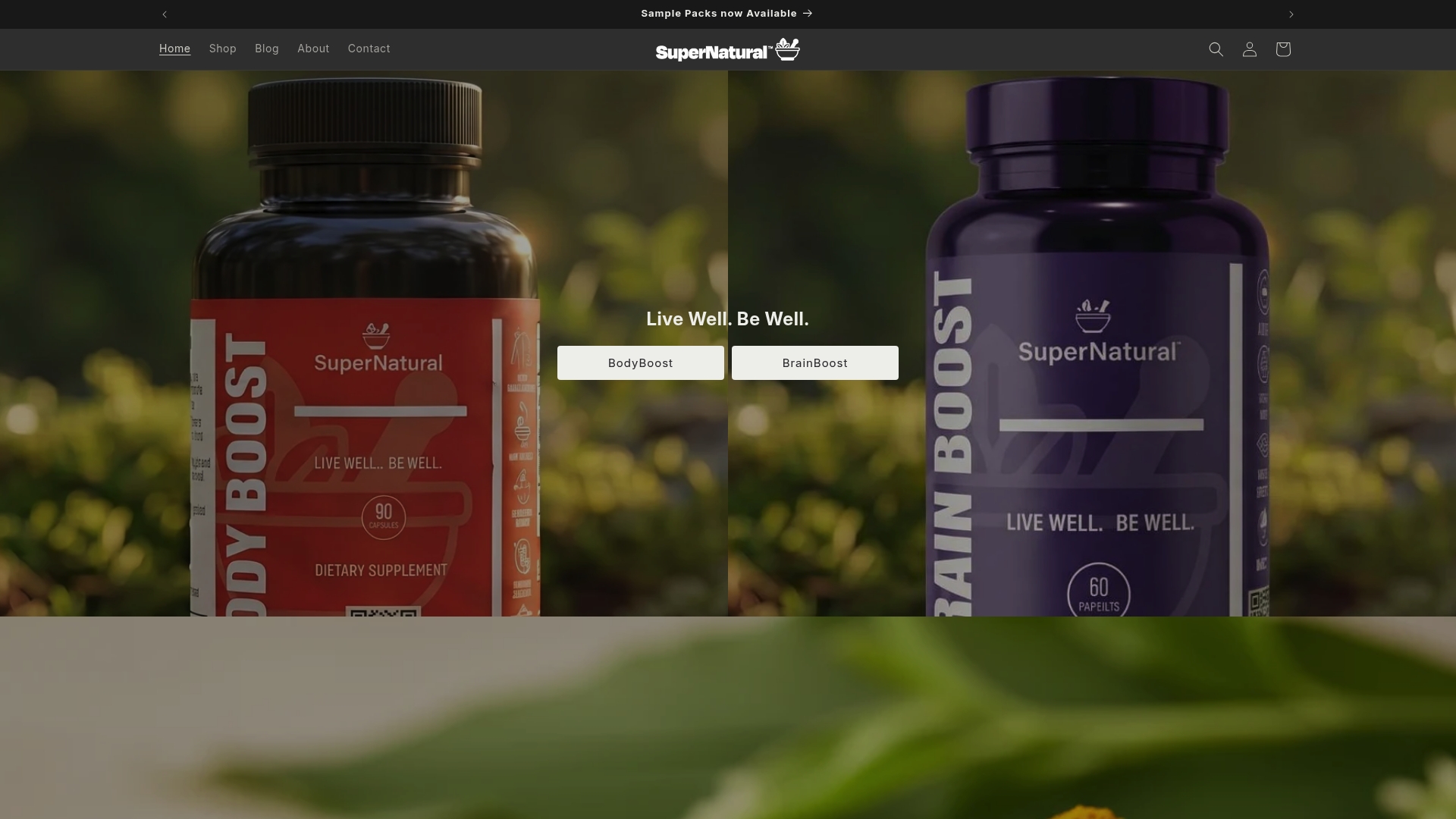
SuperNatural’s patented BioSoluble® Curcumin™ delivers significantly enhanced bioavailability compared to standard curcumin. Curcumin supports a healthy inflammatory response in the brain, which matters because chronic low-grade inflammation is one of the underrecognized drivers of poor concentration. Both products are formulated with quality and safety as the starting point, not an afterthought.
FAQ
What is the best herb for immediate focus?
The caffeine and L-theanine combination produces the fastest and strongest documented effect for calm, sustained focus, with effects appearing within 15–30 minutes at a dose of 50–100 mg caffeine paired with 100 mg L-theanine.
How long does Bacopa monnieri take to work?
Bacopa monnieri requires 4–12 weeks of consistent daily use before cognitive benefits become noticeable. Taking it for less than a month and expecting results is the most common reason people underestimate this herb.
Are herbal supplements safe for concentration?
Most herbs are safe at culinary doses, but concentrated supplements carry real risks including blood-thinning effects and rare liver toxicity. Always consult a physician before starting any herbal supplement, especially if you take prescription medications.
Can herbs replace ADHD medication?
Natural remedies for ADHD show inconclusive evidence, and medical consensus is clear that herbs should not replace standard ADHD treatments without physician guidance. Herbs may support focus in healthy adults but are not a substitute for medical care.
Do I need to take multiple herbs for better concentration?
No. Choosing one primary herb based on your specific concentration challenge is more effective than combining many herbs at once. Start with one, assess results over the appropriate timeframe, and adjust from there.
This article is provided for educational and informational purposes only and does not constitute providing medical advice or professional services. Always consult with a qualified and licensed physician or other medical care provider. Statements have not been evaluated by the Food & Drug Administration. This product is not intended to diagnose, treat, cure, or prevent any disease.