

Natural anti-inflammatories are compounds found in certain foods, herbs, and supplements that reduce inflammation by modulating key biochemical pathways and immune responses. Their role goes well beyond symptom relief. By targeting upstream signaling networks like NF-κB and the NLRP3 inflammasome, these compounds address inflammation at its source rather than simply masking the result. Here is what the science actually shows:
- Pain relief: Natural compounds like curcumin and omega-3 fatty acids inhibit COX enzymes and suppress pro-inflammatory cytokines, reducing pain signals in joints and soft tissue.
- Immune homeostasis: By modulating cytokine production (TNF-α, IL-1β, IL-6), natural anti-inflammatories help keep the immune system from overreacting to everyday triggers.
- Chronic inflammation management: Unlike NSAIDs, which primarily block a single enzyme, natural compounds act on multiple upstream pathways, making them particularly suited for long-term, low-grade inflammation.
- Antioxidant synergy: Polyphenols like curcumin and resveratrol reduce oxidative stress alongside inflammation, since the two processes often reinforce each other.
- Gut microbiome support: A healthy gut flora, cultivated through diet and targeted supplementation, is integral to controlling systemic inflammatory reduction.
The natural anti-inflammatory benefits you get from a consistent, plant-rich diet or a well-formulated supplement are not a replacement for medical care. They are, however, a scientifically grounded tool for supporting your body’s own regulatory systems.
How natural anti-inflammatories work inside your body
To understand why these compounds are effective, you need a basic picture of how inflammation is triggered and sustained at the molecular level.
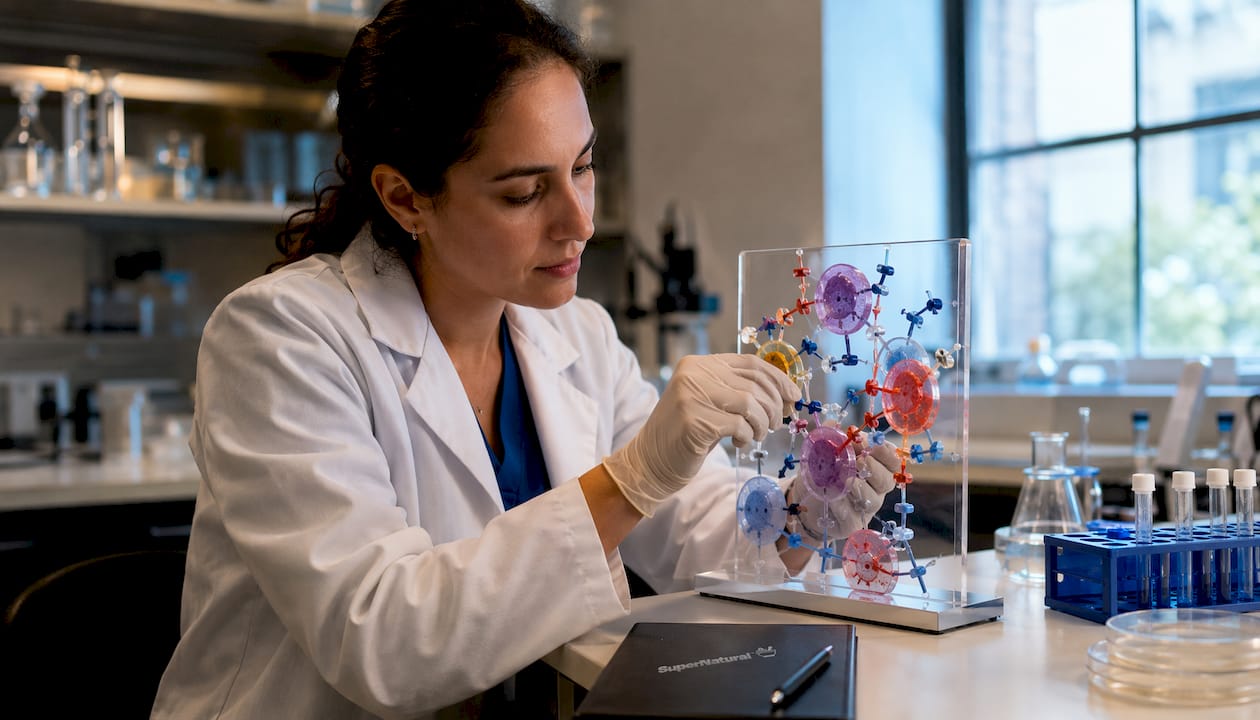
The key inflammatory pathways
Three signaling networks are central to most inflammatory responses:
- NF-κB (Nuclear Factor kappa B): A transcription factor that, when activated, switches on genes for TNF-α, IL-1β, IL-6, and COX-2. Blocking NF-κB activation is one of the most studied mechanisms for natural compounds. Research confirms that blocking NF-κB activation is the primary mechanism by which many natural compounds reduce inflammation.
- NLRP3 inflammasome: A multiprotein complex that, once assembled, activates caspase-1, which then cleaves pro-IL-1β into its mature, highly inflammatory form. Natural products suppress NLRP3 assembly, effectively cutting off IL-1β maturation before it starts.
- TLR4 (Toll-Like Receptor 4) signaling: A pattern recognition receptor on immune cells that responds to bacterial lipopolysaccharides and triggers downstream NF-κB activation. Several plant-derived compounds interfere with TLR4 binding, reducing the initial alarm signal.
Acute vs. chronic inflammation: two different problems
Acute inflammation is your body’s rapid, short-term response to injury or infection. It resolves on its own within days. Chronic inflammation is the slow, persistent version, often driven by diet, stress, or metabolic dysfunction, and it underlies conditions like cardiovascular disease, type 2 diabetes, and arthritis.
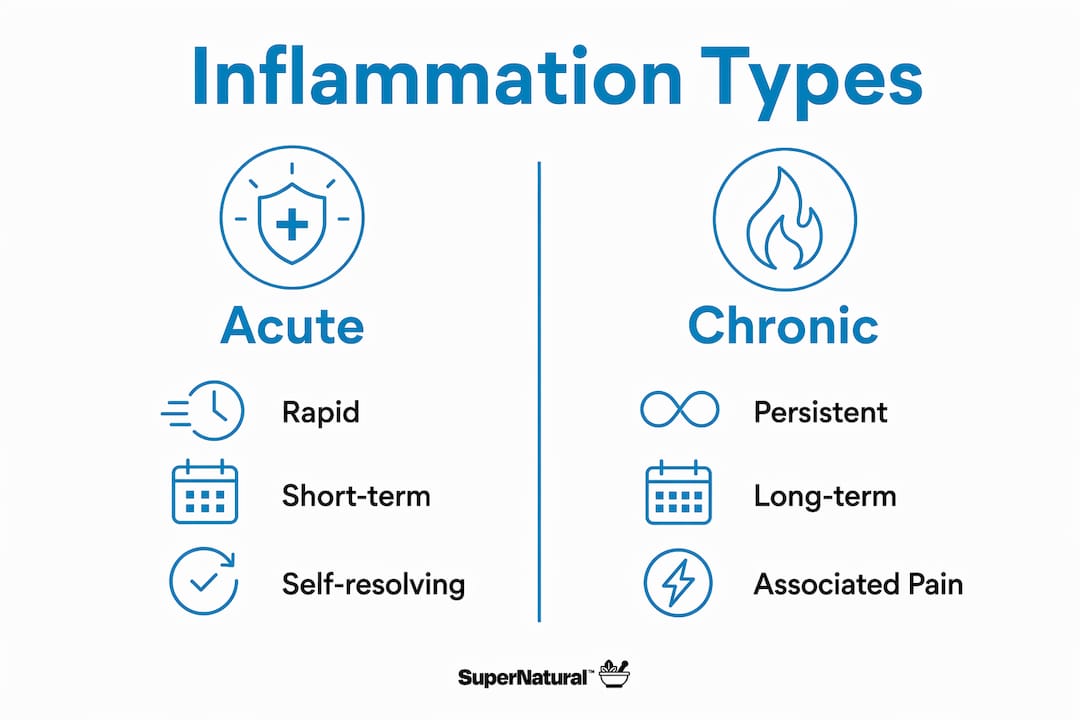
Natural anti-inflammatories tend to be most clinically relevant for chronic inflammation. Because they act on upstream signaling pathways rather than downstream enzymes, they modulate the immune response over time rather than delivering the sharp, immediate suppression an NSAID provides. Think of it this way: an NSAID is like turning off a single alarm, while a natural compound recalibrates the entire alarm system.
NSAIDs mainly inhibit COX enzymes downstream, whereas natural compounds affect upstream signaling like NF-κB and inflammasomes. That distinction shapes how each type of agent fits into a long-term health strategy.
Key natural anti-inflammatory compounds and how they work
1. Curcumin (from turmeric)
Curcumin is the most extensively studied natural anti-inflammatory compound. It inhibits both COX-1 and COX-2 enzymes, suppresses NF-κB activation, and reduces TNF-α and IL-1β production, giving it a genuinely multi-pathway profile. Curcumin’s multi-targeted mechanisms offer antioxidant benefits alongside anti-inflammatory effects, which is why it appears in research on arthritis, colitis, and neurodegenerative conditions. The challenge is bioavailability: standard curcumin is poorly absorbed, which limits its clinical impact without a delivery system designed to address that.
2. Omega-3 fatty acids (EPA and DHA)
Omega-3 polyunsaturated fatty acids, primarily eicosapentaenoic acid (EPA) and docosahexaenoic acid (DHA) from fatty fish, are among the most effective natural anti-inflammatory agents identified in clinical research. EPA and DHA enhance the conversion of COX to prostaglandin E3, a natural anti-inflammatory agent that competitively inhibits the highly inflammatory prostaglandin E2. They also inhibit the 5-LOX pathway, which converts arachidonic acid into inflammatory leukotrienes. The American Heart Association recommends fish and fish oil for cardiovascular protection, partly because vascular inflammation is a root driver of coronary artery disease.
3. Resveratrol
Found in red grapes, berries, and peanuts, resveratrol is a polyphenol that suppresses COX-2 by blocking NF-κB activation. It also inhibits TNF-α and IL-1β-induced NF-κB signaling, making it a potent and specific upstream modulator. Animal studies have shown that resveratrol reduces cartilage degradation in simulated knee osteoarthritis and decreases paw edema through suppression of inflammatory prostaglandin synthesis.
4. Quercetin
Quercetin is a flavonoid found in onions, apples, capers, and leafy greens. It inhibits the release of histamine and pro-inflammatory cytokines from mast cells, and it interferes with NF-κB signaling. Quercetin also shows NLRP3 inflammasome inhibitory activity, placing it in the same mechanistic category as curcumin for chronic inflammatory conditions.
5. Berberine
An alkaloid extracted from plants like barberry (Berberis vulgaris) and goldenseal, berberine activates AMPK (AMP-activated protein kinase), which in turn suppresses NF-κB and reduces inflammatory cytokine output. It has attracted clinical interest for metabolic inflammation, particularly in the context of type 2 diabetes and non-alcoholic fatty liver disease.
6. Boswellic acids (from Boswellia serrata)
Boswellia, the resin of trees native to India and the Arabian Peninsula, contains boswellic acids that specifically inhibit 5-LOX, reducing leukotriene biosynthesis in neutrophils. One clinical study found a statistically significant improvement in knee arthritis after 8 weeks of treatment with 333 mg of Boswellia serrata extract taken three times daily, with improved function as the primary outcome.
| Compound | Primary Source | Key Mechanism | Main Target Pathways |
|---|---|---|---|
| Curcumin | Turmeric (Curcuma longa) | Inhibits COX-1, COX-2, NF-κB | NF-κB, COX, cytokines |
| EPA/DHA | Fatty fish, fish oil | Competes with arachidonic acid | 5-LOX, COX, TNF-α |
| Resveratrol | Red grapes, berries | Blocks NF-κB activation | NF-κB, COX-2, TNF-α |
| Quercetin | Onions, apples, capers | Inhibits cytokine release | NF-κB, NLRP3 |
| Berberine | Barberry, goldenseal | Activates AMPK | NF-κB, cytokines |
| Boswellic acids | Boswellia serrata | Inhibits 5-LOX | Leukotriene pathway |
Anti-inflammatory herbs and spices you can use every day
The role of herbs in inflammation management has been recognized across Ayurvedic, Chinese, and traditional Western medicine for centuries. Modern research is now catching up with what practitioners observed long ago.
- Turmeric (Curcuma longa): The source of curcumin, turmeric has been used in Ayurvedic medicine for thousands of years. Its active curcuminoids inhibit NF-κB and COX enzymes, and curcumin from turmeric is now one of the most cited natural compounds in anti-inflammatory research. Add it to soups, rice dishes, or golden milk, and always pair it with black pepper (piperine) to improve absorption.
- Ginger (Zingiber officinale): Ginger contains gingerols and shogaols that inhibit both COX and LOX enzymes, reducing prostaglandin and leukotriene production. Fresh ginger in smoothies or steeped as tea delivers active compounds without the need for a supplement.
- Green tea (Camellia sinensis): The primary active compound in green tea is epigallocatechin gallate (EGCG), a catechin that suppresses NF-κB and reduces TNF-α and IL-6 levels. Three to four cups daily provides a meaningful polyphenol dose, though matcha delivers a more concentrated amount per serving.
- Capsaicin (from chili peppers): Capsaicin, the compound that makes chili peppers hot, depletes substance P, a neuropeptide involved in pain signal transmission. Topical capsaicin creams are used clinically for localized joint and nerve pain, and oral capsaicin has shown effects on systemic inflammatory markers.
- Rosemary (Salvia rosmarinus): Rosemary contains carnosic acid and rosmarinic acid, both of which inhibit NF-κB and reduce COX-2 expression. It is one of the more underappreciated culinary herbs for inflammation, given how easily it integrates into everyday cooking.
- Boswellia (Boswellia serrata): As described above, this resin is most commonly used in supplement form. It is particularly relevant for joint inflammation and respiratory conditions driven by leukotriene overproduction.
Pro Tip: Combining turmeric with a small amount of black pepper and a healthy fat (like olive oil or avocado) can dramatically improve curcumin absorption. Standard curcumin has poor water solubility, so fat-based delivery matters. This is the same principle behind advanced formulations like BioSoluble Curcumin.
For a deeper look at how these herbs fit into a structured approach, the natural inflammation management steps guide from SuperNatural Supplements walks through practical protocols grounded in current research.
What the clinical evidence actually says in 2026
The science behind natural anti-inflammatories has matured considerably. The picture is encouraging, though not without nuance.
Where the evidence is strongest
Omega-3 fatty acids have the most consistent clinical backing across cardiovascular, joint, and neurological inflammation. The American Heart Association’s recommendation for fish oil in cardiovascular prevention is grounded in decades of trial data. For joint pain specifically, multiple clinical studies have documented positive outcomes for fish oil compared to traditional pharmaceutical anti-inflammatory agents.
Curcumin’s clinical record is growing, with studies supporting its use in rheumatoid arthritis and osteoarthritis symptom reduction. The multi-pathway mechanism, hitting COX enzymes, NF-κB, and cytokine production simultaneously, gives it a profile that no single NSAID can replicate. The multi-target nature of natural compounds is both an advantage and a pharmacological challenge: broader effects make them harder to study in clean, single-endpoint trials.
The bioavailability problem
Here is the central limitation most guides skip over. Curcumin, resveratrol, and quercetin are all poorly absorbed in standard form. Curcumin, for example, is highly lipophilic (fat-soluble) and metabolizes rapidly in the gut, meaning a large portion of a standard capsule never reaches systemic circulation. This is not a minor footnote. It is the reason why the dose used in a lab study often bears no practical relationship to what a person absorbs from an off-the-shelf supplement.
Advanced delivery systems address this directly. Lipid-based carriers, phytosome complexes, and patented technologies like BioSoluble Curcumin from SuperNatural Supplements are specifically engineered to improve absorption and achieve therapeutic blood levels. The difference is meaningful: it is like wanting a strong cup of coffee instead of just sniffing the beans.
| Compound | Bioavailability Challenge | Delivery Solution |
|---|---|---|
| Curcumin | Lipophilic, rapid gut metabolism | Lipid carriers, BioSoluble technology |
| Resveratrol | Rapid hepatic metabolism | Micronized or liposomal forms |
| Quercetin | Low intestinal absorption | Phytosome complexes |
| Omega-3s (EPA/DHA) | Oxidation sensitivity | Enteric-coated, triglyceride form |
Natural anti-inflammatories vs. NSAIDs
NSAIDs are effective, but their long-term use carries real risks: gastric ulceration, cardiovascular events, and kidney stress are well-documented concerns. Natural compounds, by contrast, tend to have safer long-term profiles, partly because they modulate upstream pathways rather than fully blocking a single enzyme. That said, natural remedies for inflammation are not risk-free. High-dose curcumin can interact with blood thinners, and omega-3s at therapeutic doses may affect platelet aggregation. Always check with your doctor before adding any supplement to an existing medication regimen.
Consistent dietary patterns, rather than isolated supplements, drive the most reliable outcomes. The Mediterranean diet, rich in polyphenols, omega-3s, and antioxidants, reduces inflammatory markers like C-reactive protein across multiple studies. Synergistic approaches, combining a whole-food diet with targeted, bioavailable supplements, are emerging as the most effective strategy for long-term inflammation resolution.
Pro Tip: If you are evaluating a curcumin supplement, look for a patented or clinically validated delivery system on the label. “Curcumin extract” with no absorption technology is likely to deliver far less than the dose stated. SuperNatural Supplements’ BioSoluble Curcumin is one example of a formulation built specifically to solve this problem.
For a broader look at how supplements fit into a wellness strategy, the types of anti-inflammatory supplements guide from SuperNatural Supplements covers the evidence by category.
SuperNatural Supplements has put years of research into solving the bioavailability problem that limits most natural anti-inflammatory products. The patented BioSoluble Curcumin technology delivers significantly enhanced absorption compared to standard curcumin, so you get the clinical benefit the research actually supports. BodyControl is formulated to promote detoxification and a healthy inflammatory response, while BodyBoost targets immune support and BrainBoost addresses cognitive health alongside inflammation. If you are serious about managing inflammation with science-backed natural compounds, these are worth a close look.
Key Takeaways
Natural anti-inflammatories work best when combined with a consistent diet and a delivery system that actually gets the active compounds into your bloodstream.
| Point | Details |
|---|---|
| Upstream pathway targeting | Natural compounds modulate NF-κB and NLRP3 inflammasome, unlike NSAIDs which block only COX enzymes. |
| Best natural anti-inflammatory foods | Fatty fish, turmeric, ginger, green tea, berries, and leafy greens consistently reduce inflammatory markers. |
| Bioavailability is the limiting factor | Standard curcumin absorbs poorly; lipid-based or patented delivery systems are needed for therapeutic effect. |
| Safer long-term profile | Multi-target natural compounds tend to carry fewer long-term risks than NSAIDs for chronic inflammation management. |
| Diet over single supplements | Consistent dietary patterns, particularly the Mediterranean diet, produce more reliable anti-inflammatory outcomes than isolated supplements alone. |
This article is provided for educational and informational purposes only and does not constitute providing medical advice or professional services. Always consult with a qualified and licensed physician or other medical care provider. Statements have not been evaluated by the Food & Drug Administration. This product is not intended to diagnose, treat, cure, or prevent any disease.