

Phytonutrients are plant-derived bioactive compounds that do far more than give fruits and vegetables their color. They actively modulate physiological processes, counteract oxidative stress, regulate immune responses, and protect against chronic disease. Research published in PMC has identified 14 major therapeutic categories of phytonutrients, including polyphenols, anthocyanins, resveratrol, carotenoids, quercetin, and glucosinolates. These are not vitamins or minerals. They are not classified as essential nutrients, yet the scientific consensus is clear: diets consistently rich in these compounds are linked to meaningfully lower rates of cardiovascular disease, cancer, metabolic disorders, and neurodegeneration.
Here is what phytonutrients do in the body at a practical level:
- Antioxidant activity: They neutralize free radicals, reducing cellular damage that drives aging and chronic disease.
- Anti-inflammatory effects: They suppress pro-inflammatory signaling pathways, including NF-κB, at the molecular level.
- Immune modulation: They calibrate immune responses, supporting defense without triggering excessive inflammation.
- Cognitive and metabolic support: They protect neurons, regulate lipid metabolism, and improve insulin sensitivity.
- Gut microbiota interaction: They reshape the microbial environment in the gut, which in turn amplifies their own bioactivity.
The diversity across these 14 categories means no single food or supplement covers the full spectrum. Understanding which types do what, and how to get them effectively, is where the real value lies.

What are the major types of phytonutrients and what do they do?
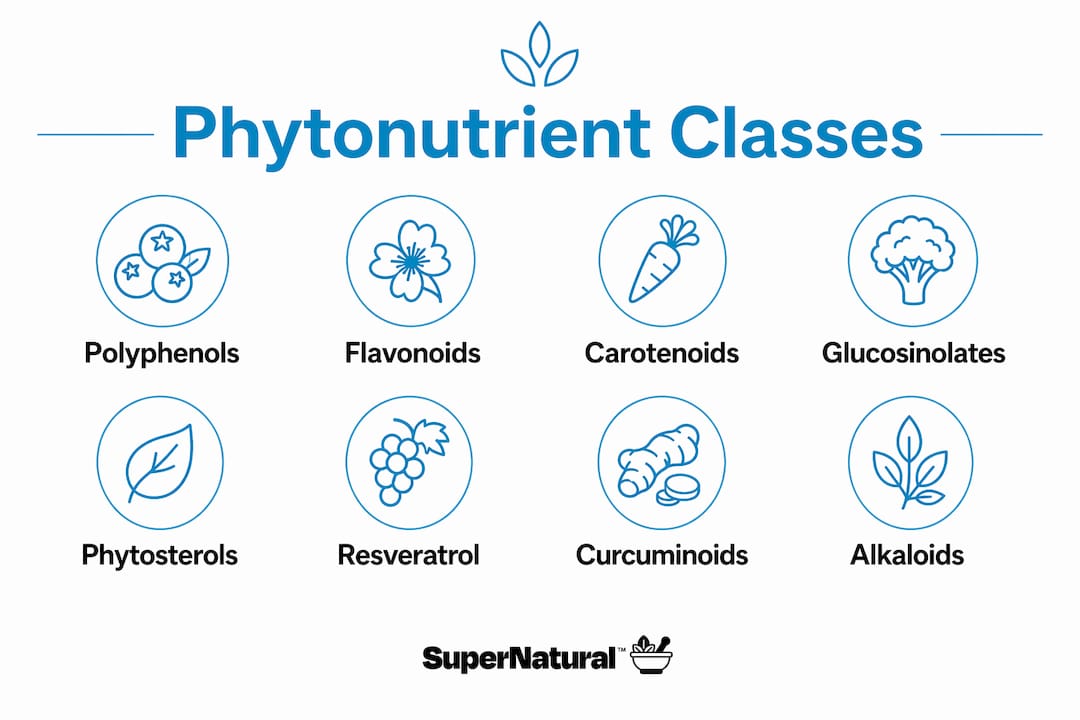
Phytonutrients span a wide chemical range, and each class operates through distinct biological mechanisms. Knowing the major categories helps you make smarter choices about what you eat and supplement.
Polyphenols
Polyphenols are the largest and most studied class, found in berries, tea, red wine, olive oil, and dark chocolate. They act primarily as antioxidants and anti-inflammatory agents, modulating cell signaling pathways and gene expression. Subclasses include flavonoids, stilbenes (like resveratrol), and phenolic acids (like chlorogenic acid). Chlorogenic acid, for example, has been shown to alleviate fat accumulation and high cholesterol by affecting protein synthesis pathways and modulating immune responses.
Flavonoids
Flavonoids are technically a subclass of polyphenols but deserve separate attention given their breadth. Quercetin, catechins (abundant in green tea), and anthocyanins all fall here. Catechins demonstrate anti-cancer and neuroprotective effects in clinical and molecular research. Anthocyanins, which give blueberries and red cabbage their deep color, improve gut integrity by decreasing inflammation and oxidative stress.
Carotenoids
Carotenoids include beta-carotene, lycopene, lutein, and zeaxanthin. Found in carrots, tomatoes, leafy greens, and sweet potatoes, they support eye health, immune function, and skin integrity. Beta-carotene converts to vitamin A in the body. Lycopene, concentrated in cooked tomatoes, is associated with reduced prostate cancer risk. These compounds are fat-soluble, meaning absorption increases substantially when consumed alongside dietary fats.

Glucosinolates
Glucosinolates are precursors to biologically active compounds found in cruciferous vegetables like broccoli, kale, and Brussels sprouts. When these vegetables are chewed or chopped, glucosinolates convert to isothiocyanates and indoles, compounds with well-documented cancer-preventive properties. Isothiocyanates also support gut microbes and reduce cancer risk by modulating gut inflammation.
Phytosterols
Phytosterols structurally resemble cholesterol and compete with it for absorption in the intestine. Regular consumption from nuts, seeds, and plant oils can lower LDL cholesterol levels. They are one of the few phytonutrient classes with a well-established, quantifiable effect on a specific cardiovascular risk marker.
Resveratrol
Resveratrol, found in grape skins, red wine, and peanuts, activates sirtuins, a family of proteins linked to longevity and metabolic regulation. Research shows it enhances statin efficacy in cardiovascular disease management and demonstrates anti-aging properties at the cellular level.
Curcuminoids
Curcuminoids, primarily curcumin from turmeric, are among the most researched phytonutrients for their anti-inflammatory and neuroprotective effects. Curcumin impacts the gut-brain axis, helping reduce neuroinflammation, which offers potential benefits for neurodegenerative diseases like Alzheimer’s. Its major limitation is poor natural bioavailability, a challenge that advanced formulation technology is now addressing directly.
Alkaloids
Alkaloids, present in coffee and cocoa, act as central nervous system stimulants. Caffeine is the most familiar, but compounds like theobromine in cocoa also support cardiovascular function and mood. These are consumed daily by most Americans without being recognized as phytonutrients.
How phytonutrients help prevent and manage chronic disease
The evidence connecting phytonutrients to disease prevention spans clinical trials, epidemiological studies, and molecular research. The mechanisms are not speculative. They are measurable at the cellular level.
Cardiovascular disease is the most studied application. Polyphenols and flavonoids reduce LDL oxidation, improve endothelial function, and lower blood pressure through nitric oxide modulation. Phytosterols directly reduce LDL cholesterol by competing with it at the intestinal absorption level. Diets rich in phytochemicals are consistently linked to lower incidence of heart disease across large epidemiological datasets.
Type 2 diabetes and metabolic disorders respond to phytonutrients through multiple pathways. Berberine, a plant alkaloid, improves glycemic control and works synergistically with metformin. Quercetin and curcumin both reduce insulin resistance by modulating inflammatory cytokines and improving mitochondrial function. Chlorogenic acid slows glucose absorption from the gut, reducing post-meal blood sugar spikes.
Cancer prevention is where glucosinolates, catechins, and curcumin have the strongest mechanistic evidence. These compounds promote cancer cell apoptosis (programmed cell death), inhibit tumor angiogenesis, and protect DNA from oxidative damage. Curcumin and EGCG (a catechin from green tea) synergize with chemotherapy in enhancing cancer cell apoptosis while protecting normal cells.
Neurodegeneration is an emerging frontier. Curcumin reduces neuroinflammation via the gut-brain axis. Resveratrol activates neuroprotective pathways. Anthocyanins cross the blood-brain barrier and reduce oxidative damage to neurons. The table below summarizes key phytonutrients and their primary disease-prevention roles.
| Phytonutrient | Primary Source | Disease Prevention Role |
|---|---|---|
| Curcumin | Turmeric | Neuroinflammation, metabolic disorders, cancer |
| Quercetin | Onions, apples | Cardiovascular disease, diabetes, inflammation |
| Resveratrol | Grapes, red wine | Cardiovascular disease, aging, metabolic health |
| EGCG (catechins) | Green tea | Cancer, neurodegeneration, metabolic disorders |
| Lycopene | Cooked tomatoes | Prostate cancer, cardiovascular disease |
| Glucosinolates | Broccoli, kale | Cancer prevention, gut health |
| Anthocyanins | Blueberries, red cabbage | Gut integrity, cognitive decline, inflammation |
| Phytosterols | Nuts, seeds, plant oils | LDL cholesterol reduction |
Gut microbiota plays a central role in how effectively these compounds work. Polyphenols modulate gut microbiota composition, inhibiting pathogens like Helicobacter pylori and Staphylococcus aureus while promoting beneficial bacteria. The microbiota then converts complex phytonutrients into smaller bioactive molecules that are more readily absorbed, creating a feedback loop that amplifies their therapeutic effects. This explains why two people eating identical diets can experience different health outcomes from the same phytonutrient-rich foods.
Health benefits of phytonutrients beyond disease prevention
Phytonutrients do not only prevent disease. They actively support wellness in people who are already healthy, and the benefits extend across multiple body systems.
Brain health and cognitive function are among the most compelling areas. Flavonoids and polyphenols support neuroplasticity, the brain’s ability to form new connections, by promoting brain-derived neurotrophic factor (BDNF). Research shows that plant-based compounds support brain health and cognitive function through anti-inflammatory and neuroprotective mechanisms. Regular consumption of phytonutrient-rich foods is associated with slower cognitive decline as people age.
Immune system balance is another key benefit. Registered dietitian Amber Sommer at Cleveland Clinic describes phytonutrients as acting like the plant’s own defense system, and when consumed, they translate those protective properties to humans. They do not simply stimulate immunity. They calibrate it, supporting defense against pathogens while reducing the chronic low-grade inflammation that underlies autoimmune conditions and metabolic disease.
Here are additional wellness benefits supported by current research:
- Antimicrobial effects: Polyphenols in green and black tea inhibit the growth of harmful bacteria including Escherichia coli and Salmonella typhimurium.
- Lipid profile improvement: Phytosterols and polyphenols together reduce LDL cholesterol and triglycerides in people without diagnosed cardiovascular disease.
- Blood pressure regulation: Flavonoids improve endothelial function and nitric oxide availability, supporting healthy blood pressure in normotensive adults.
- Bone health: The USDA Agricultural Research Service has documented phytonutrient benefits for bone health, noting that certain plant compounds support bone density and reduce fracture risk.
- Skin integrity: Carotenoids and polyphenols protect skin cells from UV-induced oxidative damage and support collagen synthesis.
- Mental health and sleep quality: Emerging research links polyphenol-rich diets to reduced anxiety and improved sleep architecture, likely through gut-brain axis modulation.
- Anti-aging at the cellular level: Resveratrol activates sirtuin proteins associated with cellular longevity, while quercetin has demonstrated senolytic properties, meaning it helps clear aged, dysfunctional cells from tissues.
Dr. R. Surampudi at UCLA Health notes that while phytonutrients are not classified as essential nutrients like vitamins, higher vegetable intake correlates with better survival across a wide range of diseases, grounding these benefits in real-world epidemiological data rather than lab findings alone.
How to safely increase your phytonutrient intake
No official recommended daily allowance (RDA) exists for phytonutrients. They are classified as beneficial protective compounds, not essential nutrients, which means there is no mandated intake level. That does not make them optional. It means the guidance centers on food diversity and quality rather than hitting a specific milligram target.
Eat by color. Different pigments signal different phytonutrient classes. Red and orange foods (tomatoes, carrots, bell peppers) deliver carotenoids. Purple and blue foods (blueberries, red cabbage, eggplant) deliver anthocyanins. Green cruciferous vegetables (broccoli, kale, arugula) deliver glucosinolates. Yellow foods (turmeric, ginger, corn) deliver curcuminoids and lutein. Rotating across all color groups across the week is the most practical way to cover the major classes.
Pair fat-soluble phytonutrients with dietary fat. Carotenoids, curcumin, and several other key compounds are fat-soluble. Eating a salad with olive oil, or taking a curcumin supplement with a meal containing healthy fats, substantially increases absorption. This is one of the most consistently overlooked factors in nutrition advice, and it makes a real difference in how much of these compounds actually reach your bloodstream.
Preserve phytonutrients during food preparation. Heat, light, and prolonged cooking degrade many of these compounds. Practical strategies include:
- Steam or lightly sauté vegetables rather than boiling them, which leaches water-soluble polyphenols.
- Eat some vegetables raw, particularly those rich in glucosinolates, since the enzyme myrosinase that activates these compounds is heat-sensitive.
- Store produce away from direct light and consume it within a few days of purchase.
- Use herbs and spices liberally. Turmeric, oregano, rosemary, and thyme are among the most concentrated phytonutrient sources per gram of any food.
Consider supplementation strategically. Whole foods are the foundation, but targeted supplementation can fill gaps, particularly for compounds like curcumin that are difficult to absorb from food alone. When choosing supplements, look for products that address bioavailability directly, not just those that list a high milligram dose. A high dose of a poorly absorbed compound delivers less benefit than a lower dose of a well-formulated one.
Diversify your protein sources. Legumes, nuts, and seeds are often overlooked phytonutrient sources. Lentils, chickpeas, walnuts, and flaxseeds deliver phytosterols, lignans, and polyphenols alongside their macronutrient content.
Why bioavailability determines how well phytonutrients actually work
Getting phytonutrients into your body is only half the equation. The other half is whether they survive digestion and reach the tissues where they are needed. Low natural bioavailability is the single biggest limiting factor in phytonutrient effectiveness, and it is why the dose on a supplement label does not tell the whole story.
Standard curcumin, for example, is notoriously difficult to absorb. It is poorly soluble in water, rapidly metabolized in the gut, and quickly eliminated. Eating turmeric with black pepper (which contains piperine) improves absorption modestly, but the baseline is still low. This is the problem that advanced formulation science is designed to solve.
Emerging delivery technologies include:
- Nanoparticle encapsulation: Reduces particle size to increase surface area and improve solubility, allowing more of the compound to pass through intestinal walls.
- Liposomal delivery: Encases phytonutrients in lipid-based vesicles that mimic cell membranes, dramatically improving cellular uptake.
- Phytosome technology: Binds phytonutrients to phospholipids, improving both solubility and absorption.
- Patented BioSoluble formulations: SuperNatural Supplements developed BioSoluble Curcumin, a patented process that produces significantly enhanced bioavailability compared to standard curcumin, addressing the core absorption limitation that undermines most curcumin products on the market.
The gut microbiota adds another layer to this picture. Research shows that gut microbiota critically mediates phytonutrient metabolism, converting complex compounds into smaller bioactive molecules that the body can actually absorb. Chlorogenic acid, for instance, is metabolized by gut bacteria into caffeic acid and further into phenylpropionic, phenylacetic, and benzoic acid derivatives that then enter the circulatory system. This means that the health of your microbiome directly affects how much benefit you get from the phytonutrients you consume.
Pro Tip: Take fat-soluble phytonutrient supplements like curcumin with a meal that contains healthy fats, such as avocado, olive oil, or nuts. This single habit can meaningfully increase the amount of the active compound that reaches your bloodstream, making your supplement work closer to its full potential.
Future research directions in this space include personalized nutrition approaches that account for individual microbiome profiles and genetic variations in metabolizing enzymes like cytochrome P450. These variations explain why the same phytonutrient supplement produces different outcomes in different people, and why one-size-fits-all dosing recommendations will eventually give way to more targeted protocols. Improved extraction techniques and stability enhancement methods are also advancing, with metabolomics playing a growing role in identifying and quantifying bioactive compounds more precisely.
Limitations and controversies you should know about
The science supporting phytonutrients is strong, but it is not without its complications. Understanding where the evidence is solid and where it gets murky helps you make genuinely informed decisions rather than following health trends uncritically.
Most clinical evidence comes from observational studies. Large epidemiological datasets consistently show that people who eat more phytonutrient-rich foods have lower rates of chronic disease. What these studies cannot prove is causation. People who eat more vegetables also tend to exercise more, smoke less, and manage stress better. Isolating the phytonutrient effect from these confounding variables is genuinely difficult.
Isolated compounds do not always replicate whole-food effects. Many clinical trials test a single purified phytonutrient at doses far higher than you would get from food. Results from these trials do not always translate to real-world dietary patterns. The synergistic interactions between multiple phytonutrients in a whole food matrix may be part of what makes plant-rich diets effective, and that synergy is hard to bottle.
Bioavailability varies enormously between individuals. As noted, gut microbiome composition, genetics, age, and health status all influence how much of a given phytonutrient actually reaches target tissues. This variability makes it difficult to establish universal dosing recommendations and contributes to inconsistent results across clinical trials.
High-dose supplementation carries real risks. While food-based phytonutrient intake is considered safe, concentrated supplements at very high doses can interact with medications. Quercetin can interfere with certain antibiotics. High-dose resveratrol may affect blood clotting. Curcumin at pharmacological doses can interact with anticoagulants. Always consult a physician before adding high-dose phytonutrient supplements to your routine, particularly if you take prescription medications.
Regulatory gaps create quality control challenges. Phytonutrient supplements are not regulated as drugs in the United States. The FDA does not require manufacturers to prove efficacy or standardized potency before a product reaches shelves. This means the quality, concentration, and purity of supplements vary widely across brands. Choosing products from companies that invest in patented, validated formulation processes and third-party testing matters more than the milligram count on the label.
The research is still evolving. Personalized nutrition, microbiome-informed supplementation, and advanced delivery systems are all areas where the science is moving fast. What we know today is compelling. What we will know in a decade will be considerably more specific.
How SuperNatural Supplements addresses the bioavailability gap
The biggest gap between phytonutrient science and real-world results is bioavailability. SuperNatural Supplements built its product line around solving that problem directly. The patented BioSoluble Curcumin process delivers significantly enhanced absorption compared to standard curcumin, making it one of the most bioavailable curcumin formulations available. BodyControl supports detoxification and a healthy inflammatory response. BodyBoost is formulated for superior immune support using advanced phytochemical blends. BrainBoost targets cognitive function and neuroprotection with natural phytonutrients selected for their evidence base and absorption profile.
If you want to understand how enhanced bioavailability changes what a supplement can actually do, the science behind SuperNatural’s formulation approach is worth exploring. The difference between a high-dose, poorly absorbed compound and a lower-dose, highly bioavailable one is not a marketing claim. It is measurable chemistry.
Key Takeaways
Phytonutrients work best when consumed consistently across diverse food sources and, where needed, through bioavailability-optimized supplements that ensure active compounds actually reach target tissues.
| Point | Details |
|---|---|
| 14 major therapeutic categories | Research identifies 14 phytonutrient classes, including polyphenols, carotenoids, and glucosinolates, each with distinct biological roles. |
| Gut microbiota amplifies benefits | Gut bacteria convert phytonutrients into bioactive molecules, making microbiome health central to phytonutrient efficacy. |
| No official RDA exists | Phytonutrients are classified as protective compounds, not essential nutrients, so intake guidance centers on dietary diversity. |
| Fat improves absorption | Fat-soluble phytonutrients like curcumin and carotenoids absorb substantially better when consumed with dietary fats. |
| Bioavailability determines real-world impact | Advanced delivery systems like nanoparticle encapsulation and patented BioSoluble formulations address the absorption gap that limits standard supplements. |
This article is provided for educational and informational purposes only and does not constitute providing medical advice or professional services. Always consult with a qualified and licensed physician or other medical care provider. Statements have not been evaluated by the Food & Drug Administration. This product is not intended to diagnose, treat, cure, or prevent any disease.