

A step by step immune boost is defined as a structured sequence of lifestyle and nutritional changes that strengthen your body’s natural defenses in measurable, predictable stages. Most people treat immunity as an on/off switch, reaching for a supplement only when they feel a sore throat coming on. The science says otherwise. Immune resilience builds through consistent, layered inputs: gut health, targeted micronutrients, sleep, stress regulation, and timely acute interventions. Follow this protocol and you can feel a difference within a week, with full optimization building over months.
Why gut health is the first step in immune boosting
The gut is the command center of your immune system. 70–80% of immune cells reside in the gut-associated lymphoid tissue (GALT), the dense network of immune structures lining your digestive tract. That single fact explains why no supplement routine will outperform a poor diet. Your gut is where immune cells are trained, activated, and deployed.
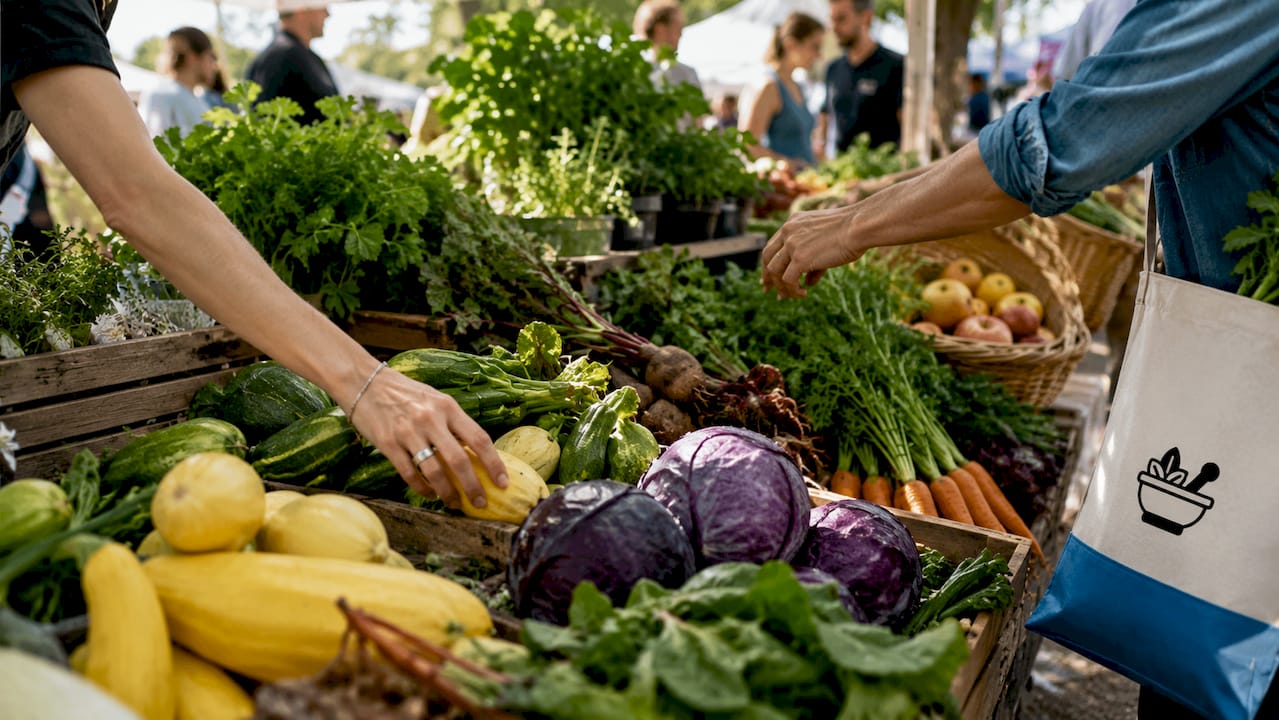
Microbial diversity is the key variable. Eating 30 or more plant foods weekly produces the fiber variety that feeds a broad range of beneficial bacteria. Those bacteria, in turn, educate immune cells to distinguish threats from harmless particles. A narrow microbiome produces a narrow, poorly calibrated immune response.
Fermented foods add a second layer of support. Yogurt, kefir, kimchi, sauerkraut, and miso deliver live cultures that compete with pathogens for space in the gut lining. They also support the integrity of the gut barrier itself. A leaky gut barrier allows bacterial fragments into the bloodstream, triggering chronic low-grade inflammation that suppresses immune efficiency.
The timeline for gut changes is faster than most people expect. Observable shifts in microbial composition can occur within days 1–7 of dietary change. You won’t rebuild a depleted microbiome in a week, but you can start moving the needle immediately.
- Eat at least 5 different plant foods daily (vegetables, legumes, whole grains, nuts, seeds)
- Add one serving of fermented food per day
- Reduce ultra-processed foods, which actively reduce microbial diversity
- Prioritize prebiotic foods: garlic, onions, leeks, asparagus, and oats
Pro Tip: Think of your gut microbiome like a garden. You don’t grow a thriving garden by adding one type of seed. Variety is the mechanism, not just a preference.
For a deeper look at the digestive system’s role in immunity, the connection between microbiome health and systemic immune function is well documented and worth understanding before you invest in any supplement.
| Gut input | Immune effect | Timeline |
|---|---|---|
| Diverse plant fiber | Increases microbial diversity and immune cell education | Days 3–7 |
| Fermented foods | Delivers probiotics, supports gut barrier integrity | Days 1–5 |
| Reduced processed food | Lowers inflammatory signals from gut | Days 2–7 |
| Prebiotic foods | Feeds beneficial bacteria, improves barrier repair | Days 3–10 |
What micronutrients does your immune system actually need?
Zinc, Vitamin C, and Vitamin D are the three most validated micronutrients for immune function. Daily intake targets supported by current research include Zinc at 15–30 mg, Vitamin C at 500–1,000 mg, and Vitamin D at 2,000–5,000 IU. These ranges support both innate immunity (your first-line defenses) and adaptive immunity (the targeted response that remembers pathogens).
Food sources deliver these nutrients with co-factors that supplements cannot replicate. Zinc is highest in oysters, beef, pumpkin seeds, and lentils. Vitamin C is abundant in bell peppers, kiwi, citrus, and broccoli. Vitamin D comes primarily from sun exposure, with fatty fish, egg yolks, and fortified foods as dietary sources.
Magnesium and omega-3 fatty acids round out the baseline. Magnesium supports over 300 enzymatic reactions, including those that regulate inflammatory signaling. Omega-3s, found in fatty fish, walnuts, and flaxseed, reduce the production of pro-inflammatory cytokines. Both nutrients are chronically under-consumed in typical Western diets.
One caution: supplementing without a confirmed deficiency can cause problems. Routine high-dose use of zinc or vitamin C without deficiency can produce side effects including nausea, copper depletion, and kidney stress. The goal is sufficiency, not excess.
- Zinc: oysters, beef, pumpkin seeds, chickpeas
- Vitamin C: red bell peppers, kiwi, strawberries, broccoli
- Vitamin D: salmon, sardines, egg yolks, fortified dairy
- Magnesium: dark leafy greens, almonds, dark chocolate, avocado
- Omega-3s: salmon, mackerel, walnuts, chia seeds
Pro Tip: Take fat-soluble vitamins like Vitamin D with your largest meal of the day. Fat in the meal significantly improves absorption, like wanting a strong cup of coffee instead of just sniffing the beans.
How do sleep, stress, and exercise affect immune strength?
Sleep is the most underrated immune tool available to you. Natural killer cell function restores within 48–72 hours of adequate sleep. These cells are your immune system’s rapid-response unit, identifying and destroying infected or abnormal cells before they spread. Cutting sleep to six hours or less measurably reduces their activity.
The target is 7–9 hours per night, consistently. Irregular sleep schedules disrupt circadian rhythms that govern cytokine production, the chemical messengers that coordinate immune responses. Going to bed and waking at the same time each day is not a wellness cliché. It is a biological requirement for immune regulation.
Stress management is equally non-negotiable. Chronic cortisol elevation suppresses lymphocyte production and reduces antibody response. Even 5–10 minutes of mindful breathing daily regulates cortisol and improves immune markers. Techniques that activate vagal tone, including slow diaphragmatic breathing, cold water face immersion, and humming, directly lower the stress response through the parasympathetic nervous system.
Exercise follows a dose-response curve. Moderate movement, defined as 15–30 minutes of brisk walking, cycling, or swimming, immediately enhances immune surveillance by mobilizing immune cells into circulation. Overtraining does the opposite. Intense exercise without adequate recovery suppresses immunity for up to 72 hours, a window sometimes called the “open window” of increased infection risk.
- Set a consistent sleep and wake time, even on weekends
- Practice 5–10 minutes of slow nasal breathing before bed
- Walk briskly for at least 15 minutes daily
- Avoid training to exhaustion during periods of high stress or early illness
- Use cold water face immersion or humming to activate vagal tone when stress spikes
Pro Tip: If you only have time for one lifestyle habit, choose sleep. Every other immune input, from nutrition to exercise, works better when your body has had adequate overnight repair time.
What should you do at the first sign of illness?
The first 24–48 hours of symptoms are the highest-leverage window in any acute immune response. Rest is non-negotiable. Continuing normal activity during early illness diverts energy from immune mobilization to muscle function, slowing the response when speed matters most.
Hydration supports mucosal immunity, the physical barrier lining your respiratory tract. Warm fluids are particularly effective. Bone broth provides electrolytes and glycine, which supports gut barrier integrity. Herbal teas with ginger or elderberry provide anti-inflammatory compounds alongside hydration. Aim for at least 8–10 cups of fluid daily during acute illness.
Salt-water gargling is one of the most evidence-backed and underused interventions available. Warm salt-water gargling reduces viral load in the throat by one-third within 24 hours. Nasal saline irrigation clears viral particles from the nasal passages before they can replicate further. Both practices cost nothing and carry no side effects.
Zinc lozenges and Vitamin C are effective only when timed correctly. Zinc and Vitamin C reduce cold severity when taken within 24–48 hours of symptom onset. Waiting until day three produces little benefit. Use oral zinc lozenges, not nasal sprays, which carry a risk of anosmia (permanent loss of smell).
The acute immune protocol in order of priority: Rest completely. Hydrate with warm fluids. Gargle with warm salt water three times daily. Begin zinc lozenges and Vitamin C within the first 24 hours. Avoid intense exercise until 48 hours after symptoms resolve.
Common mistakes that slow immune resilience
The most common mistake is treating supplements as a substitute for dietary and lifestyle foundations. Supplements are adjuncts, not replacements, for diverse plant fiber intake and consistent sleep. A person taking ten supplements on four hours of sleep and a processed food diet will have weaker immunity than someone sleeping eight hours and eating varied whole foods.
Over-stimulating the immune system is a real risk. Excessive immune activation causes cytokine overactivation, which produces inflammation rather than protection. The goal is efficient immune surveillance, not a hyperactive response. This is why the three-tier approach matters: baseline maintenance, seasonal intensification, and acute rescue protocols applied only when needed.
- Do not take high-dose supplements without confirmed deficiency
- Do not exercise intensely during early illness
- Do not expect overnight results from gut microbiome changes
- Do track simple markers: energy levels, sleep quality, frequency of illness, and recovery time
- Do consult a physician if symptoms persist beyond 7–10 days or worsen
Pro Tip: Track your illness frequency over three months, not three days. Immune competence shows up in how rarely you get sick and how fast you recover, not in how you feel after one supplement dose.
Key takeaways
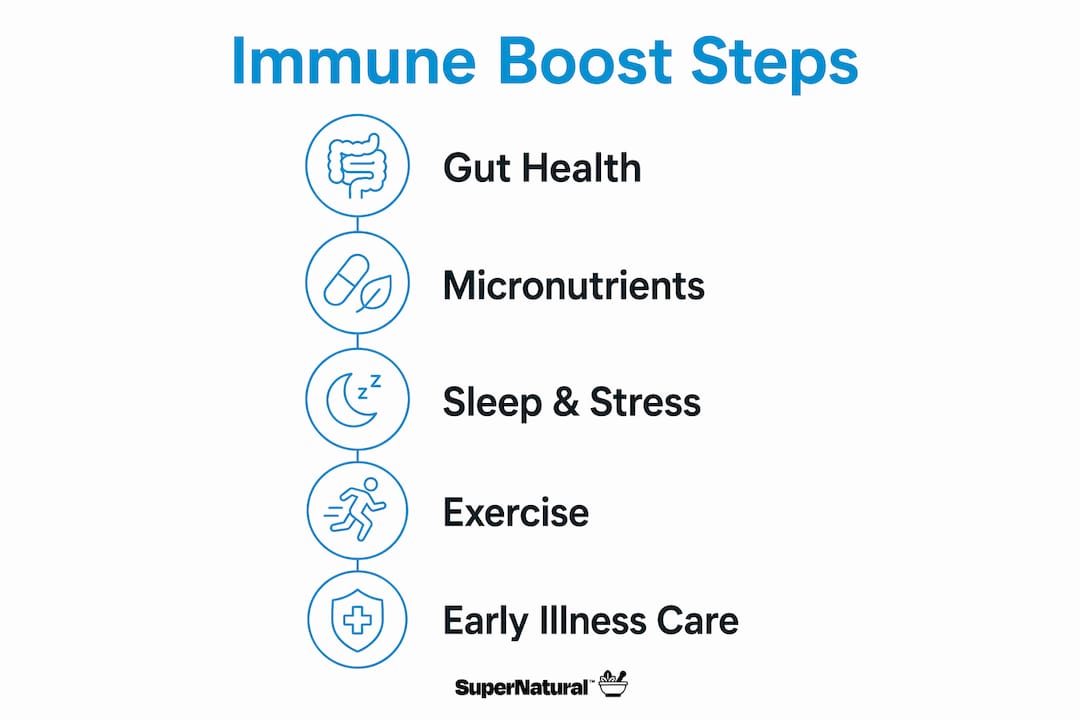
A step by step immune boost works because it addresses the biological foundations of immune function in sequence: gut health first, micronutrients second, lifestyle habits third, and acute protocols only when needed.
| Point | Details |
|---|---|
| Gut health comes first | 70–80% of immune cells live in the gut; dietary diversity is the fastest lever. |
| Micronutrients require timing | Zinc, Vitamin C, and Vitamin D support immunity best when taken at correct doses without deficiency. |
| Sleep is non-negotiable | Natural killer cell function restores within 48–72 hours of adequate sleep. |
| Acute protocols have a window | Zinc lozenges and Vitamin C only reduce illness severity when taken within 24–48 hours of symptoms. |
| Supplements support, not replace | Diverse plant fiber and consistent sleep outperform any supplement stack taken in isolation. |
What we’ve learned about building real immune resilience
We’ve spent years looking at what actually moves the needle on immune health, and the answer is consistently unglamorous. It’s not the newest adaptogen or the highest-dose vitamin packet. It’s the person who eats 30 plant foods a week, sleeps eight hours, and walks every day. That person gets sick less often and recovers faster. Every time.
The supplement industry has done a remarkable job of making immunity feel complicated. It isn’t. True immune resilience builds through integrating sleep, metabolic health, and gut balance, not through single supplements. We’ve seen people spend hundreds of dollars monthly on immune stacks while skipping sleep and eating poorly. The results are predictable and disappointing.
What we tell people is this: build the foundation first. Give it several months to fully optimize, because that’s the honest timeline. You’ll feel changes within a week, but the real payoff is a year of fewer sick days and faster recovery. Patience here is not passive. It’s the most active thing you can do for your long-term health.
— SuperNatural
Natural supplements that complement your immune protocol
When your lifestyle foundation is solid, targeted supplementation can add meaningful support. SuperNatural Supplements formulates products designed to work alongside the steps in this guide, not replace them.
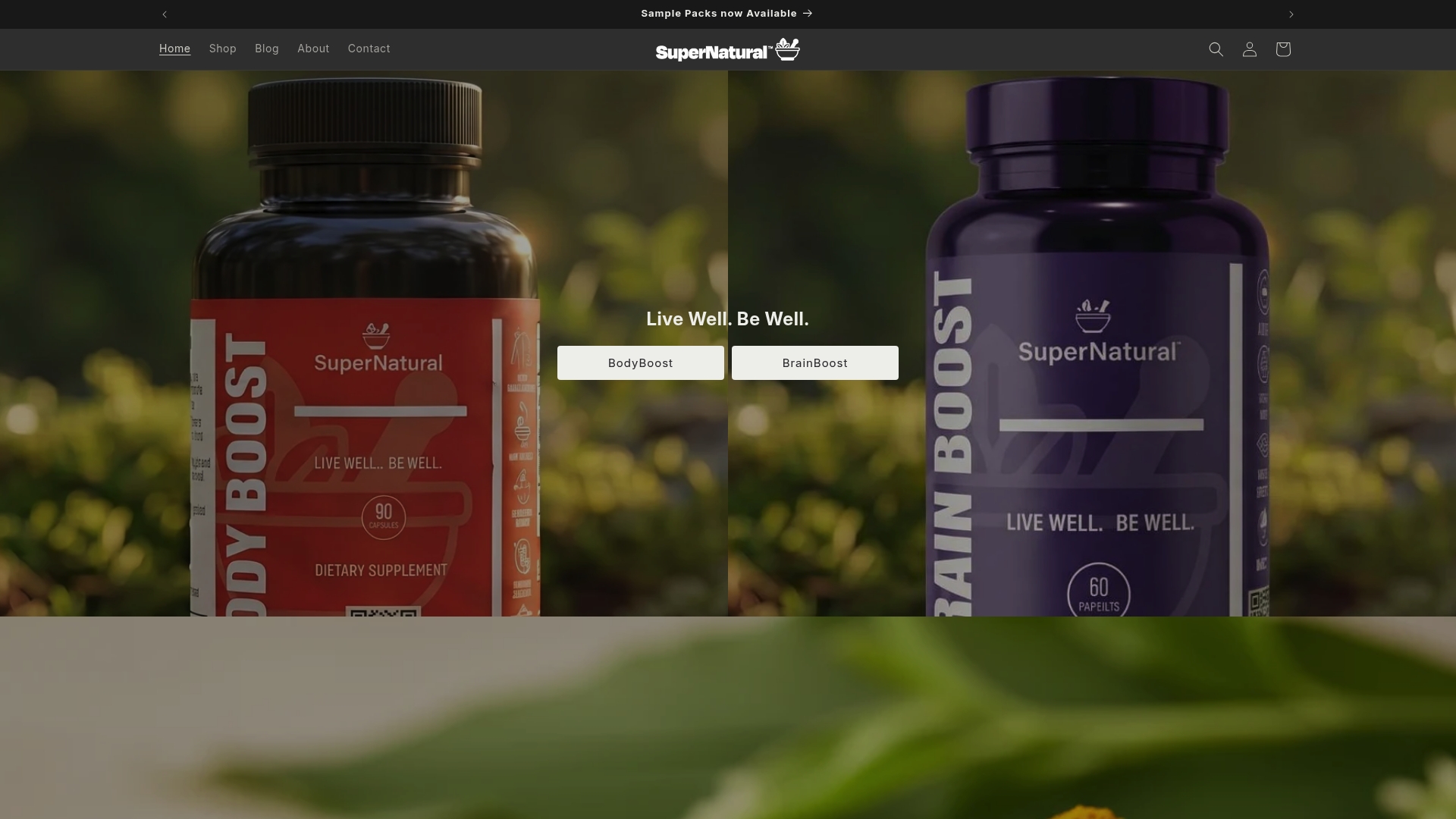
BodyBoost is SuperNatural Supplements’ flagship immune support product, built for people who have already committed to the dietary and lifestyle basics and want a science-backed complement. For inflammation management, SuperNatural’s BioSoluble® Curcumin™ uses a patented process that delivers significantly enhanced bioavailability compared to standard curcumin. That means more of the active compound actually reaches your cells. Both products are designed to support the immune and inflammatory pathways this guide covers, and both are worth reviewing with your healthcare provider to assess personal suitability.
FAQ
How quickly can you boost your immune system naturally?
Measurable immune resilience can improve within one week through gut-supportive nutrition, consistent sleep, and daily movement. Full optimization takes several months of sustained habits.
What is the single most effective natural immune booster?
Sleep is the most impactful single factor. Natural killer cell function restores within 48–72 hours of adequate sleep, and no supplement replicates that effect.
When should you take zinc and Vitamin C for a cold?
Take zinc lozenges and Vitamin C within the first 24–48 hours of symptom onset. Taking them later in the illness produces little measurable benefit.
Can you over-stimulate your immune system?
Yes. Excessive immune activation triggers cytokine overactivation, which causes harmful inflammation rather than protection. The goal is balanced immune competence, not a hyperactive response.
How many plant foods should you eat weekly for immune health?
Eating 30 or more different plant foods weekly produces the microbial diversity needed for effective immune cell education and long-term resilience.
This article is provided for educational and informational purposes only and does not constitute providing medical advice or professional services. Always consult with a qualified and licensed physician or other medical care provider. Statements have not been evaluated by the Food & Drug Administration. This product is not intended to diagnose, treat, cure, or prevent any disease.