

Detoxification is defined as the continuous physiological process by which the body neutralizes and eliminates metabolic waste, environmental chemicals, and harmful substances to maintain normal function. The role of detoxification in wellness is not a weekend juice cleanse or a 30-day reset program. It is a permanent, organ-driven system running every second of every day. Your liver, kidneys, gut, skin, and lymphatic system work together to process what you eat, breathe, and absorb. Understanding how these systems work, and how to support them, is the most practical thing you can do for your long-term health.
How does the body naturally detoxify?
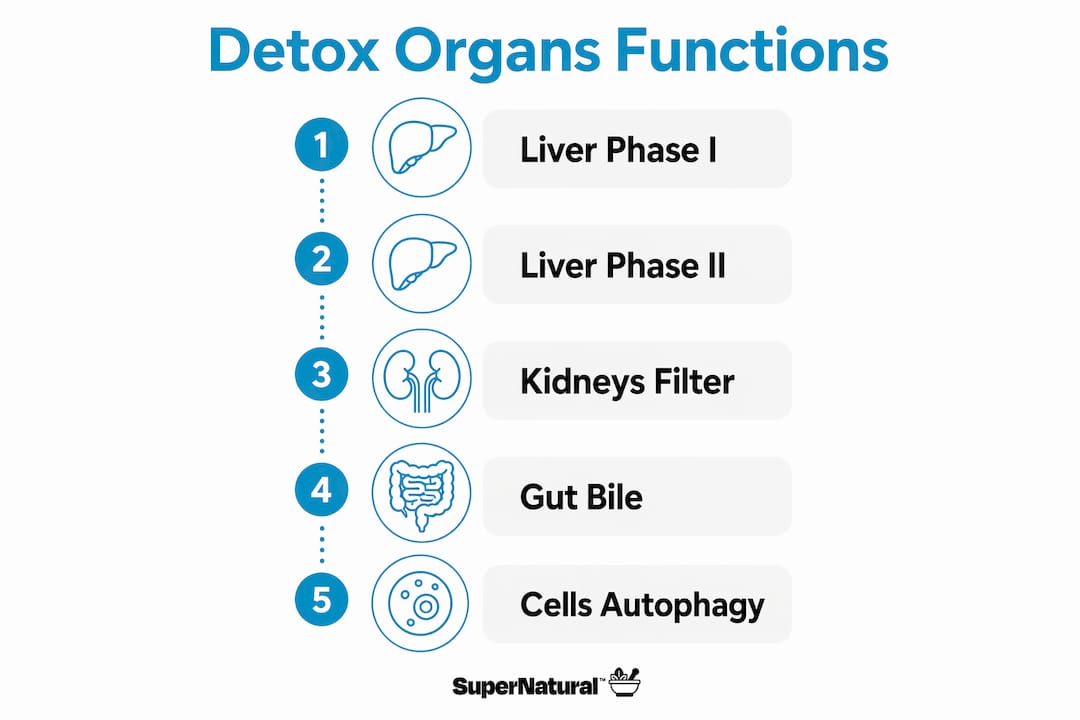
The liver is the central detox organ, and it operates in two distinct enzymatic phases. Phase I uses cytochrome P450 enzymes to chemically transform fat-soluble toxins into intermediate compounds. Phase II then conjugates those intermediates with molecules like glutathione, sulfate, or glucuronic acid, making them water-soluble and ready for excretion. Balanced Phase I and Phase II activity is critical. When Phase I runs faster than Phase II, reactive intermediates accumulate and cause oxidative stress. Nutritional deficiencies are a common reason this balance breaks down.
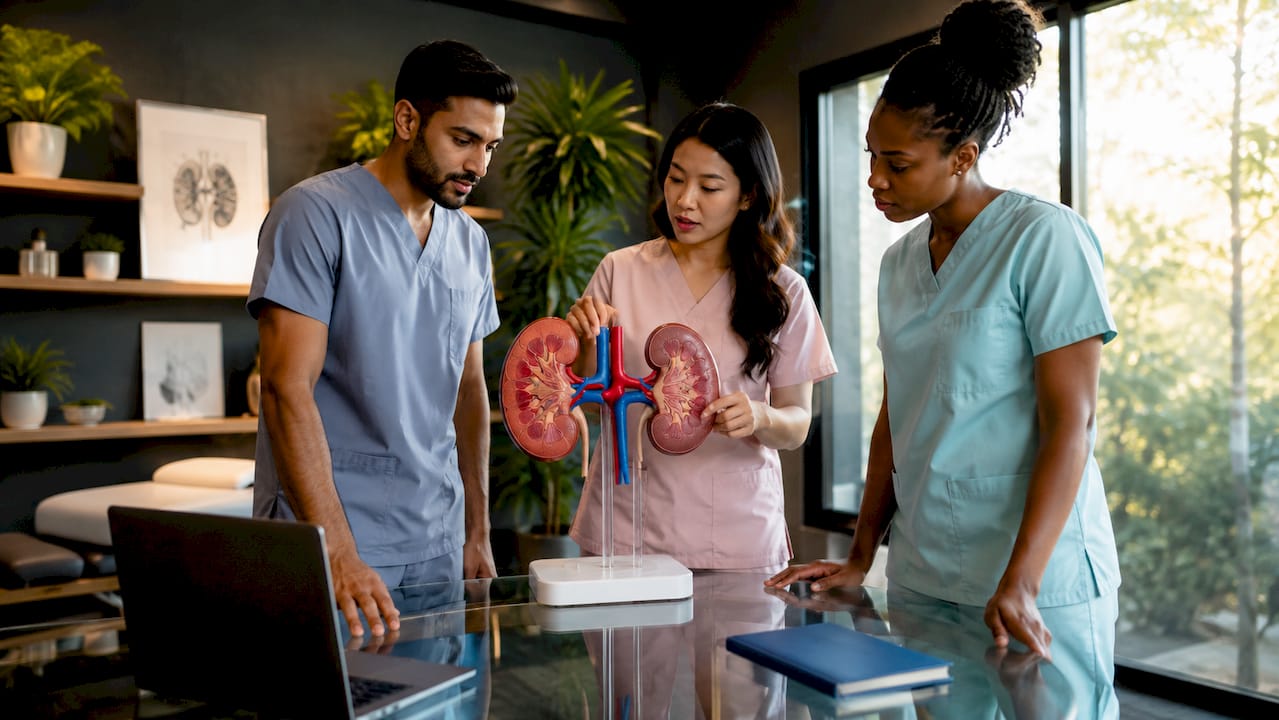
The kidneys handle the next stage. They filter roughly 200 liters of blood per day, excreting water-soluble waste products through urine. Adequate hydration is not optional for this process. Without enough fluid, the kidneys cannot maintain the concentration gradient needed to clear urea, creatinine, and other metabolic byproducts efficiently.
The gut contributes in ways most people overlook. The liver secretes bile containing processed toxins into the small intestine. Dietary fiber binds those compounds and carries them out through stool. Without enough fiber, some of those toxins get reabsorbed. The gut microbiome also plays a role, with certain bacterial strains producing enzymes that either activate or deactivate toxic compounds before they reach systemic circulation.
At the cellular level, autophagy is a fundamental self-cleaning process that degrades damaged proteins and worn-out organelles. It activates during nutrient scarcity, fasting, caloric restriction, or intense exercise. Autophagy defects are directly linked to chronic disease and accelerated aging. This is why consistent intermittent fasting is one of the most evidence-backed tools for supporting cellular health.
Key detox organs and their primary functions
| Organ | Primary detox function | Key requirement |
|---|---|---|
| Liver | Phase I and Phase II enzymatic processing | Nutrient cofactors, antioxidants |
| Kidneys | Filtering water-soluble waste via urine | Consistent hydration |
| Gut | Bile binding, fiber excretion, microbiome activity | Dietary fiber, diverse plant foods |
| Skin | Minor excretion of lipophilic compounds via sweat | Regular movement, sauna |
| Cells | Autophagy: clearing damaged proteins and organelles | Fasting, caloric restriction |
Pro Tip: Eat 25–35 grams of fiber daily from whole food sources like lentils, oats, and flaxseed. Fiber is one of the most underused tools for supporting gut-based toxin excretion.
What are the common myths about detox cleanses?
No strong evidence supports commercial detox diets, liver cleanses, or colon cleanses for improving health in healthy adults. The Academy of Nutrition and Dietetics points to regular exercise and sufficient sleep as the evidence-based supports, not bottled juice protocols. Extreme cleanses can cause dehydration, electrolyte imbalance, and nutrient deficiencies. These are not side effects of toxin removal. They are the direct result of restricting food and overusing laxative-based products.
The “sweating out toxins” idea is another common misconception. Sweat does excrete small amounts of certain compounds, but the quantities are minor compared to what the liver and kidneys process daily. Relying on a sauna or hot yoga class to replace liver function is like expecting a garden hose to do the work of a water treatment plant.
- Juice cleanses do not accelerate liver detox. They often spike blood sugar and eliminate the fiber your gut needs to bind and excrete processed toxins.
- Colon cleanses carry real risks including electrolyte disruption and, in some cases, bowel perforation.
- Feeling better after a cleanse usually reflects improved hydration and the removal of processed foods from your diet, not toxin elimination.
- Excessive supplementation can backfire. Some supplements, including concentrated green tea extract and high-dose turmeric, have been linked to liver injury in certain cases.
- Symptoms during a cleanse, like headaches or fatigue, often signal stress on elimination pathways or nutritional imbalances, not toxin release.
“Detox” as marketed is largely a fiction. The body detoxifies continuously and does not need periodic purging. What it needs is consistent nutritional support, adequate hydration, and reduced toxic exposure. Chasing short-term resets while ignoring daily habits is the wrong direction entirely.
Which lifestyle habits actually support detoxification?
Whole-food diets built around cruciferous vegetables, alliums, fiber, and antioxidants are the most effective detox strategy available. Broccoli, cauliflower, Brussels sprouts, garlic, and onions contain compounds that directly upregulate Phase II liver enzymes. This is not a wellness trend. It is well-documented nutritional biochemistry. Eating these foods consistently provides the cofactors your liver needs to complete conjugation reactions properly.
- Prioritize cruciferous vegetables and alliums. Aim for at least one serving of broccoli, kale, or garlic daily to support Phase II enzyme activity.
- Hydrate consistently. Kidney filtration depends on fluid volume. Aim for at least 2–3 liters of water daily, adjusted for body weight and activity level.
- Practice intermittent fasting. A 16:8 fasting window activates autophagy reliably when practiced consistently, supporting cellular cleanup processes.
- Reduce toxic exposure at the source. Decreasing contact with BPA, PFAS, and high-pesticide produce is the highest-leverage detox strategy available. Use a water filter, choose glass over plastic, and select organic for the Environmental Working Group’s “Dirty Dozen” produce list.
- Prioritize sleep. The glymphatic system, the brain’s waste-clearance network, operates primarily during deep sleep. Chronic sleep deprivation impairs this system directly.
- Exercise regularly. Physical activity increases circulation, supports lymphatic flow, and can trigger autophagy through metabolic stress.
Pro Tip: Liver recovery depends on avoiding repeated insults like binge drinking and supporting steady metabolism. Consistency beats intensity every time.
How do supplements fit into a detox-supportive wellness plan?
Supplements can support detox pathways, but they work as adjuncts to a solid dietary foundation, not replacements for one. The most evidence-backed options target Phase II liver pathways and glutathione synthesis directly. N-acetylcysteine (NAC), sulforaphane, liposomal glutathione, and alpha-lipoic acid are the compounds with the strongest mechanistic support. Glutathione depletion is common in chronic conditions and increases toxin susceptibility, which is why supporting its synthesis matters.
Supplement form affects how much your body actually absorbs. Oral glutathione has poor bioavailability. Liposomal forms or precursors like NAC raise cellular glutathione levels far more effectively. This distinction matters because many detox supplements on the market use forms the body cannot absorb well, making them expensive and largely ineffective.
- Sulforaphane (from broccoli sprout extract) activates the Nrf2 pathway, which upregulates Phase II detox enzymes and antioxidant defenses.
- Alpha-lipoic acid regenerates other antioxidants including vitamins C and E, and supports glutathione recycling.
- NAC is the most reliable oral precursor for raising glutathione levels in cells.
- Regular sauna use (4–7 sessions per week) enhances hepatic blood flow and triggers autophagy through heat stress, providing a complementary non-dietary support mechanism.
- Poorly regulated herbal products carry real risk. Excessive doses or unverified formulations can cause liver inflammation. Always check third-party testing and consult a healthcare provider before adding any new supplement.
The role of supplements in detox is to fill specific gaps and amplify what your diet and lifestyle already do well. They are not a shortcut, and they are not a substitute for reducing your toxic load at the source.
Key Takeaways
Detoxification is a continuous, organ-driven process best supported through consistent nutrition, hydration, sleep, and reduced toxic exposure rather than short-term cleanses or unregulated supplements.
| Point | Details |
|---|---|
| Liver phases are interdependent | Phase I and Phase II must stay balanced; deficiencies in either cause harmful intermediate buildup. |
| Fiber drives gut excretion | Dietary fiber binds bile-processed toxins and carries them out; without it, reabsorption increases. |
| Autophagy requires fasting | Cellular self-cleaning activates reliably through intermittent fasting or caloric restriction, not supplements. |
| Reduce exposure first | Cutting contact with BPA, PFAS, and pesticide-heavy produce is the highest-leverage detox action available. |
| Supplement form matters | Liposomal glutathione and NAC raise cellular glutathione far more effectively than standard oral forms. |
What we’ve learned from years of focusing on detox support
The wellness industry has a habit of selling urgency. “Cleanse now, reset fast, flush it out.” We have watched this cycle repeat for years, and the science has not changed: your body does not need a dramatic intervention. It needs consistent, intelligent support.
What we have found, both in the research and in working with health-conscious people, is that the biggest wins come from the least glamorous changes. Drinking enough water. Eating broccoli and garlic regularly. Getting seven to nine hours of sleep. Cutting out the plastics and processed foods that quietly add to your toxic load every day. These are not exciting headlines, but they are what actually moves the needle.
The supplement question is where we see the most confusion. People spend significant money on detox products that their bodies cannot absorb, or that carry risks they are not aware of. We believe the right approach is targeted, evidence-based supplementation that works with your body’s existing pathways, not around them. Bioavailability is not a marketing term. It is the difference between a supplement that works and one that does not.
If you are experiencing symptoms that suggest impaired detoxification, such as persistent fatigue, skin issues, or digestive problems, get a proper assessment from a qualified healthcare provider. Do not self-diagnose and self-supplement. Work with someone who can evaluate your actual liver and kidney function before adding anything new.
— SuperNatural
Supporting your detox pathways with SuperNatural Supplements
SuperNatural Supplements was built on one core belief: bioavailability determines whether a supplement actually works. Our patented BioSoluble Curcumin process delivers curcumin at a level of absorption that standard curcumin cannot match. For liver support specifically, BioSoluble® Curcumin™ provides antioxidant and anti-inflammatory support that directly complements Phase II detox pathways.
For people who want a more complete approach, BodyControl is formulated to support detoxification and a healthy inflammatory response as part of a daily wellness routine. These products are designed to work alongside the dietary and lifestyle habits covered in this article, not to replace them. If you are ready to add targeted supplementation to a solid foundation, SuperNatural Supplements gives you a science-backed starting point.
FAQ
What is the role of detoxification in wellness?
Detoxification is the body’s continuous process of neutralizing and removing metabolic waste and environmental toxins through the liver, kidneys, gut, and other organs. Supporting these systems through nutrition, hydration, and sleep is the foundation of long-term wellness.
Do commercial detox diets actually work?
No strong evidence supports commercial detox diets or juice cleanses for improving health in healthy adults. Feeling better after a cleanse typically reflects improved hydration and reduced processed food intake, not accelerated toxin removal.
What foods best support natural detoxification?
Cruciferous vegetables like broccoli and Brussels sprouts, alliums like garlic and onions, and high-fiber foods directly support Phase II liver enzyme activity and gut-based toxin excretion. These are the most evidence-backed dietary tools for natural detox support.
Is intermittent fasting useful for detoxification?
Yes. Intermittent fasting reliably activates autophagy, the cellular process that degrades damaged proteins and organelles. Autophagy defects are linked to chronic disease and aging, making consistent fasting one of the most practical cellular detox strategies available.
Are detox supplements safe to use?
Some targeted supplements like NAC, sulforaphane, and liposomal glutathione have solid mechanistic support for Phase II detox pathways. However, poorly regulated or high-dose herbal products can cause liver injury. Always consult a healthcare provider before adding detox supplements to your routine.
This article is provided for educational and informational purposes only and does not constitute providing medical advice or professional services. Always consult with a qualified and licensed physician or other medical care provider. Statements have not been evaluated by the Food & Drug Administration. This product is not intended to diagnose, treat, cure, or prevent any disease.