

Superfoods are defined as nutrient-dense foods rich in vitamins, minerals, antioxidants, and bioactive compounds that directly support immune system function. The role of superfoods in immunity goes beyond simple cold prevention. These foods supply the raw materials your immune cells need to mature, communicate, and respond to threats. Vitamins A, C, D, E, and the B-complex group, along with zinc, selenium, iron, and copper, are the core micronutrients your immune system depends on. When your diet consistently delivers these nutrients, your body maintains what researchers call immune homeostasis: a balanced state where defenses stay ready without tipping into chronic inflammation.
What key nutrients in superfoods support immune function?
Immune homeostasis depends on micronutrients including Vitamins A, C, D, E, B6, B9, B12, zinc, selenium, iron, and copper. Deficiencies in any of these increase your susceptibility to infection and slow recovery. That is not a minor risk. Even mild, subclinical shortfalls can blunt lymphocyte production and weaken the epithelial barriers that keep pathogens out in the first place.
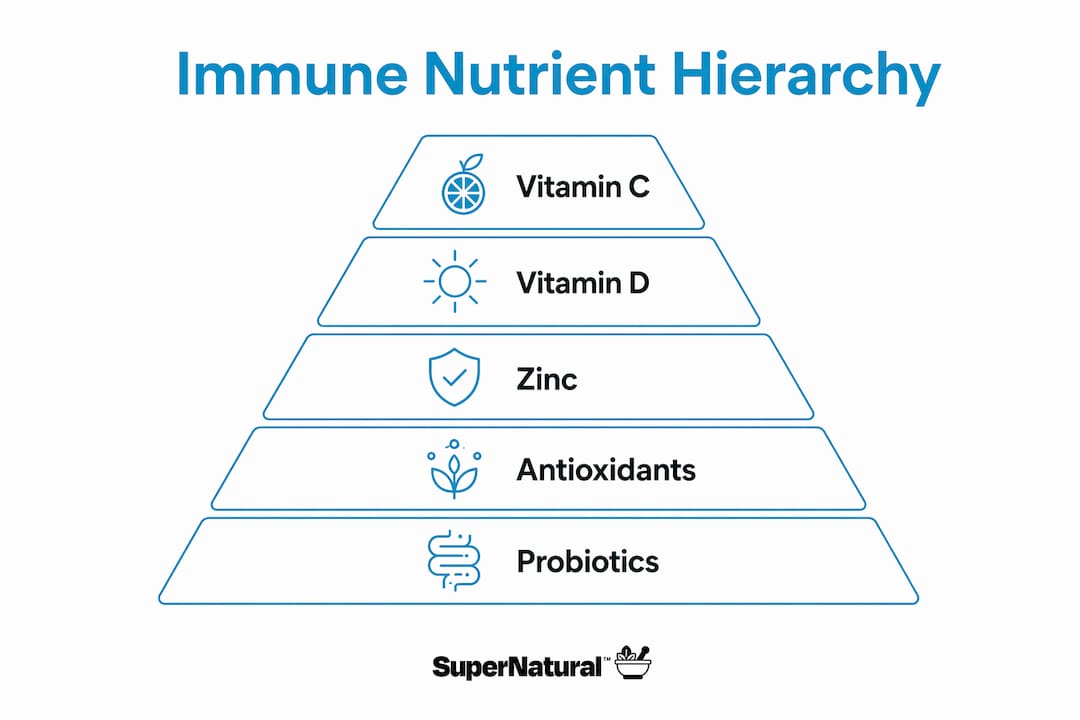
Each nutrient plays a distinct biological role. Vitamin A maintains the integrity of mucosal surfaces in your gut and lungs, your body’s first line of defense. Vitamin C drives the production and function of white blood cells called neutrophils and lymphocytes. Vitamin D regulates the expression of genes involved in immune activation. Zinc is required for the development of T-cells and natural killer cells. Selenium activates glutathione peroxidase, an enzyme that neutralizes oxidative damage during an immune response.
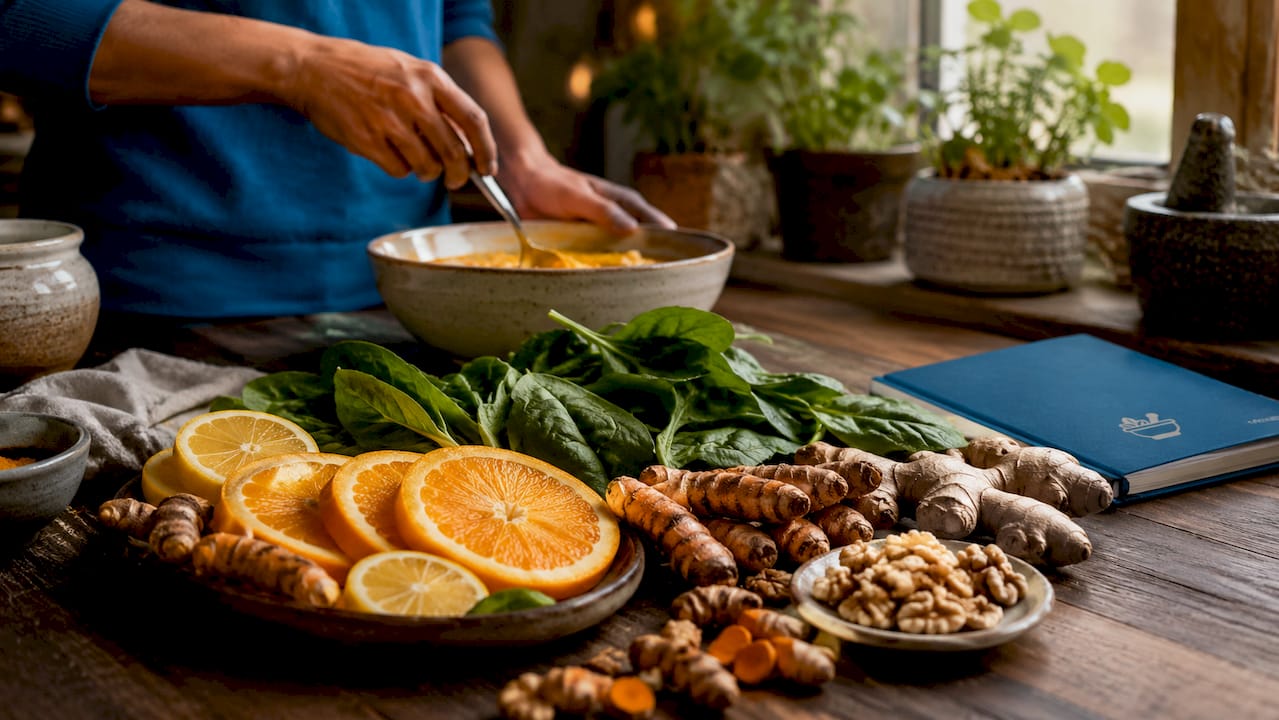
Chronic inflammation adds another layer of complexity. Inflammation increases metabolic consumption of vitamins and minerals, reducing their availability precisely when your immune system needs them most. Think of it like a city under siege drawing down its reserves faster than they can be restocked. Superfoods help replenish those reserves through whole-food nutrient delivery.
| Nutrient | Immune role | Top superfood sources |
|---|---|---|
| Vitamin C | Neutrophil function, antioxidant defense | Citrus fruits, bell peppers, kiwi |
| Vitamin D | Gene regulation, T-cell activation | Fatty fish, fortified mushrooms |
| Zinc | T-cell and NK cell development | Pumpkin seeds, legumes, oysters |
| Selenium | Oxidative stress reduction | Brazil nuts, sunflower seeds |
| Vitamin A | Mucosal barrier integrity | Sweet potato, carrots, leafy greens |
| B6, B9, B12 | Antibody production, lymphocyte maturation | Eggs, legumes, dark leafy greens |
Which superfoods are best supported by evidence for immune health?
The scientific evidence for specific superfoods varies widely. Some have strong clinical backing. Others show promise in early research but lack large-scale human trials. Knowing the difference helps you make smarter choices rather than chasing marketing claims.
Here are the superfoods with the most credible immune support evidence:
- Citrus fruits (oranges, grapefruit, lemons): High in Vitamin C. Vitamin C may shorten cold duration by approximately 8–14%, though evidence for prevention is mixed.
- Berries (blueberries, elderberries, acai): Rich in anthocyanins and polyphenols that reduce oxidative stress and support immune signaling.
- Leafy greens (spinach, kale, Swiss chard): Deliver Vitamins A, C, and folate (B9), all critical for lymphocyte production.
- Turmeric: Contains curcumin, a compound with well-documented anti-inflammatory properties. Curcumin requires piperine (found in black pepper) to enhance absorption meaningfully.
- Fermented foods (yogurt, kefir, kimchi, sauerkraut): Contain probiotics like Lactobacillus rhamnosus and Bifidobacterium lactis. These strains may modestly reduce cold duration by supporting gut immunity, where roughly 70% of immune tissue resides.
- Mushrooms (shiitake, maitake, reishi): Contain beta-glucans, polysaccharides that activate macrophages and natural killer cells.
- Green tea: Provides epigallocatechin gallate (EGCG), a polyphenol with antiviral and anti-inflammatory activity.
- Nuts and seeds (almonds, sunflower seeds, Brazil nuts): Deliver Vitamin E, zinc, and selenium in concentrated amounts.
Bioavailability matters as much as nutrient content. A food can be rich in a nutrient on paper but deliver far less in practice. Fat-soluble vitamins like A, D, and E absorb better when eaten with healthy fats. Curcumin from turmeric is notoriously poorly absorbed without a delivery-enhancing agent. For a broader look at foods that support immunity, the evidence consistently points to variety over volume.
Pro Tip: No single superfood provides complete immune protection. Rotating through a wide variety of colorful whole foods gives your immune system a broader nutrient base than any one “miracle food” can.
How do nutrition synergy and lifestyle shape immune resilience?
Focusing on one superfood while ignoring the rest of your diet is like reinforcing one wall of a house while leaving the others exposed. The Mediterranean diet, rich in fruits, vegetables, fish, olive oil, and nuts, is the most studied dietary pattern for immune health. It consistently links to reduced inflammatory markers and improved immune cell activity. The pattern matters more than any individual ingredient.
Nutrient interactions explain why. Vitamin C regenerates Vitamin E after it neutralizes a free radical. Vitamin D enhances zinc absorption. Iron absorption from plant sources increases dramatically when eaten alongside Vitamin C. These relationships mean that a food-first approach to immune nutrition is not just a preference. It is biochemically superior to isolated supplementation in most cases.
Lifestyle factors compound or undermine everything your diet does. Chronic stress increases metabolic demands for immune-supporting nutrients, meaning a stressed person needs more of these nutrients just to maintain baseline immune function. Poor sleep reduces natural killer cell activity. Sedentary behavior blunts lymphocyte circulation. No amount of kale compensates for chronic sleep deprivation or unmanaged stress.
| Factor | Impact on immunity | Practical approach |
|---|---|---|
| Dietary pattern | High: shapes baseline immune capacity | Follow Mediterranean-style eating |
| Chronic stress | High: depletes nutrient reserves | Address stress through sleep and activity |
| Sleep quality | High: regulates immune cell activity | Prioritize 7–9 hours consistently |
| Isolated superfoods | Moderate: supports specific pathways | Use as part of a varied diet |
| Single-nutrient supplements | Variable: depends on deficiency status | Consult a healthcare provider first |
Pro Tip: Before adding a new supplement, get your micronutrient levels tested. Supplementing nutrients you already have in adequate amounts rarely improves immune function and can sometimes cause harm. For guidance on managing inflammation through diet, the inflammation management guide from SuperNatural Supplements is a useful starting point.
How can you practically add superfoods to your daily diet?
Building an immune-supportive diet does not require an overhaul. Small, consistent changes compound over time. The goal is variety and regularity, not perfection.
- Add one leafy green per day. Toss spinach into a smoothie, add kale to scrambled eggs, or use arugula as a salad base. Each serving delivers folate, Vitamin A, and Vitamin C.
- Eat the rainbow. Different pigments in fruits and vegetables signal different antioxidants. Red tomatoes contain lycopene. Orange sweet potatoes deliver beta-carotene. Purple berries carry anthocyanins. Aim for at least three colors per meal.
- Include fermented foods three to four times per week. A serving of plain yogurt, kefir, or kimchi supports gut microbiome diversity, which directly influences immune signaling.
- Pair fat-soluble nutrients with healthy fats. Drizzle olive oil on roasted carrots or add avocado to a spinach salad. This step meaningfully improves absorption of Vitamins A, D, E, and K.
- Use turmeric with black pepper. This combination is not just culinary tradition. Piperine in black pepper increases curcumin bioavailability substantially.
- Choose fresh or minimally processed sources. Heat, light, and long storage degrade water-soluble vitamins like C and B-complex. Buy fresh, store properly, and cook lightly when possible.
Overconsumption of certain vitamins and minerals can be harmful. Fat-soluble vitamins accumulate in tissue and can reach toxic levels with excessive supplementation. Zinc in high doses suppresses copper absorption and can actually impair immune function. The CDC recommends balanced intake guided by professional advice, especially when considering supplements. For a research-backed look at supporting immune health naturally, a whole-diet approach remains the most reliable foundation.
Immune resilience shifts across life stages, meaning a 65-year-old has different micronutrient needs than a 30-year-old. Pregnancy, aging, high physical training loads, and chronic illness all change the equation. Personalized nutrition, guided by a healthcare provider, closes the gaps that a general diet cannot always address.
Key Takeaways
Superfoods support immunity by delivering the specific micronutrients and bioactive compounds your immune cells need to function, but their benefits depend on dietary variety, bioavailability, and lifestyle context.
| Point | Details |
|---|---|
| Micronutrients drive immune function | Vitamins A, C, D, E, B-complex, zinc, and selenium are non-negotiable for immune cell production and barrier integrity. |
| Variety beats single superfoods | Rotating colorful whole foods delivers broader nutrient coverage than any one food can provide. |
| Bioavailability determines real benefit | Pairing nutrients correctly (fat with fat-soluble vitamins, piperine with curcumin) dramatically improves what your body actually absorbs. |
| Lifestyle factors are not optional | Chronic stress, poor sleep, and inflammation deplete immune nutrients faster than diet alone can replace them. |
| Supplementation requires guidance | Excess fat-soluble vitamins and minerals can harm immunity; always consult a healthcare provider before supplementing. |
What we have learned from years of studying immune nutrition
The word “superfood” is a marketing term, not a medical classification. That does not make these foods less valuable. It means you need a clearer lens for evaluating them.
What we have seen consistently is that people who focus on a single food or nutrient rarely get the immune results they expect. The person eating a handful of blueberries every day while sleeping five hours a night and eating a processed-food diet the rest of the time is not building immune resilience. They are checking a box.
The research is unambiguous on one point: dietary patterns outperform individual foods. The Mediterranean diet works not because olive oil is magic, but because the whole pattern delivers dozens of synergistic nutrients across every meal. That is the model worth replicating.
We also think bioavailability is the most underappreciated factor in popular nutrition conversations. Nutrient absorption limits what superfoods can actually deliver. Eating turmeric without black pepper is like wanting a strong cup of coffee and just sniffing the beans. The compound is there, but your body cannot access it effectively. This is exactly why SuperNatural Supplements developed BioSoluble Curcumin, a patented process that solves the absorption problem at its root.
The practical wisdom we offer is this: build your diet around variety and whole-food patterns first. Then assess where gaps remain, particularly if you are managing chronic stress, aging, or a demanding physical lifestyle. That is where targeted, well-formulated supplementation earns its place.
— SuperNatural
SuperNatural Supplements BodyBoost: filling the gaps your diet leaves
Even a well-planned diet has gaps. Busy schedules, seasonal food availability, and individual absorption differences mean that some people consistently fall short on key immune nutrients despite their best efforts.
SuperNatural Supplements formulated BodyBoost specifically for this purpose. BodyBoost combines key vitamins, minerals, and bioactive compounds in a synergistic blend designed to complement your diet and support immune resilience where food alone may not be enough. For those interested in the science behind enhanced absorption, SuperNatural’s BioSoluble Curcumin technology addresses one of the most common bioavailability barriers in immune nutrition. Check with your doctor before starting any new supplement to confirm it fits your individual health profile.
FAQ
What is the role of superfoods in immunity?
Superfoods support immunity by supplying concentrated amounts of vitamins, minerals, and antioxidants that fuel immune cell production, reduce oxidative stress, and maintain the body’s physical barriers against pathogens. Their benefit depends on consistent intake within a varied, balanced diet.
Which superfoods have the strongest evidence for immune support?
Citrus fruits, fermented foods containing Lactobacillus rhamnosus and Bifidobacterium lactis, leafy greens, and turmeric (with black pepper) have the most credible research backing for immune health. Evidence strength varies, and no single food provides complete immune protection.
Can you get enough immune-supporting nutrients from food alone?
Most healthy adults can meet their micronutrient needs through a varied whole-food diet, but life stage, chronic stress, illness, and absorption differences create gaps that targeted supplementation can address. Always consult a healthcare provider before adding supplements.
Does vitamin C prevent colds?
Vitamin C does not reliably prevent colds in the general population, but it may shorten cold duration by approximately 8–14% with consistent intake. Prevention evidence is mixed, and megadosing above recommended levels carries risk.
How does gut health connect to immune function?
Roughly 70% of immune tissue resides in the gut, making the gut microbiome a central player in immune regulation. Fermented foods containing beneficial probiotic strains support microbiome diversity, which in turn strengthens immune signaling and response capacity.
This article is provided for educational and informational purposes only and does not constitute providing medical advice or professional services. Always consult with a qualified and licensed physician or other medical care provider. Statements have not been evaluated by the Food & Drug Administration. This product is not intended to diagnose, treat, cure, or prevent any disease.