

Antioxidant supplements are compounds that neutralize free radicals in the body and are classified into three main categories: antioxidant vitamins, minerals that support antioxidant enzymes, and plant-derived bioactive compounds. Each category targets oxidative stress through a different biological mechanism, which means the types of antioxidant supplements you choose should reflect your specific health goals, not just a label that says “antioxidant.” Understanding what each category does, how it absorbs, and when to take it is the difference between a supplement that works and one that collects dust. This guide breaks down every major category with the science to back it up.
1. What are antioxidant vitamins and their key roles?
Antioxidant vitamins are the most recognized category of supplements, and they include vitamin C, vitamin E, and beta-carotene (a precursor to vitamin A). According to antioxidant classification research, these vitamins donate electrons directly to free radicals, neutralizing them before they damage cells. That electron-donating ability is what makes them “direct” antioxidants, as opposed to minerals, which work indirectly through enzyme systems.
The three core antioxidant vitamins differ in one critical way: solubility.
- Vitamin C is water-soluble, meaning it circulates in blood plasma and protects aqueous environments inside and outside cells. Natural sources include citrus fruits, bell peppers, and strawberries.
- Vitamin E (tocopherol) is fat-soluble and protects cell membranes from lipid peroxidation. Dietary sources include nuts, seeds, and sunflower oil.
- Beta-carotene is a fat-soluble carotenoid the body converts to vitamin A. It is found in orange and yellow vegetables like carrots and sweet potatoes.
One of the most underappreciated interactions in antioxidant nutrition is the vitamin C and vitamin E cycle. After vitamin E neutralizes a free radical, it becomes oxidized. Vitamin C then “recharges” vitamin E back to its active form. This regeneration loop means taking both together provides more protection than either alone.
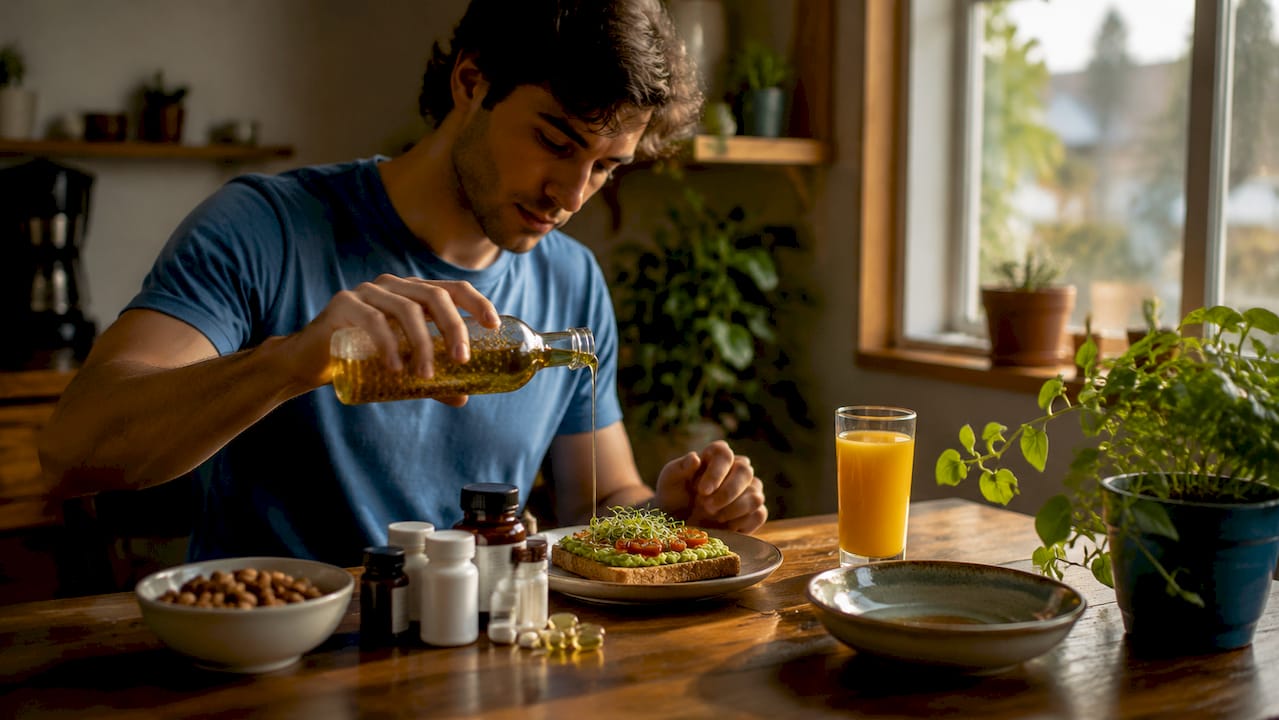
Pro Tip: Take vitamin E and beta-carotene with a meal that contains healthy fat, such as avocado or olive oil. Fat-soluble vitamins require dietary fat for absorption, and skipping this step can reduce their effectiveness significantly.
2. How antioxidant minerals support enzyme systems
Antioxidant minerals work differently from vitamins. Rather than donating electrons directly, minerals like selenium, zinc, copper, manganese, and iron serve as enzyme cofactors, meaning they activate the body’s own antioxidant enzymes. This distinction matters because it changes how you think about dosing and sourcing.
The three primary antioxidant enzymes that depend on minerals are:
- Superoxide dismutase (SOD): Requires copper, zinc, and manganese to convert superoxide radicals into less harmful hydrogen peroxide.
- Catalase: Requires iron to break down hydrogen peroxide into water and oxygen.
- Glutathione peroxidase: Requires selenium to neutralize lipid peroxides and hydrogen peroxide, protecting cell membranes.
A common misconception is that taking more selenium or zinc directly “adds” antioxidant power. What these minerals actually do is keep your body’s own enzyme machinery running at full capacity. Selenium, for example, is found in Brazil nuts and seafood, and a single Brazil nut can provide a full day’s requirement. Zinc is abundant in meat, shellfish, and legumes. Supplementing these minerals makes sense when dietary intake is low, but excess supplementation does not amplify protection and can interfere with mineral balance.
3. Plant-derived antioxidants: polyphenols, carotenoids, and terpenes
Plant-derived antioxidants represent the broadest and most structurally diverse category among the top antioxidant types. These compounds are not classified as vitamins or minerals but are biologically active molecules that directly scavenge radicals and stimulate endogenous antioxidant enzymes, helping the body maintain redox balance. This dual action is what makes them particularly interesting for long-term wellness support.
The major subcategories include:
- Polyphenols and flavonoids: Found in green tea (EGCG), berries (quercetin, anthocyanins), dark chocolate, and red wine (resveratrol). These compounds are among the most studied for cardiovascular and metabolic health.
- Carotenoids: Beyond beta-carotene, this group includes astaxanthin (from microalgae and salmon) and lycopene (from tomatoes). Astaxanthin is notable for its ability to span the entire cell membrane, protecting both fat-soluble and water-soluble compartments simultaneously.
- Terpenes: Curcumin (from turmeric) and carnosic acid (from rosemary) fall into this group. Curcumin activates the Nrf2 pathway, which upregulates the body’s own antioxidant defenses.
The biggest challenge with plant-derived antioxidants is bioavailability. Curcumin, for example, is poorly absorbed in standard powder form. The same applies to resveratrol and many flavonoids. Supplement manufacturers have responded with encapsulation technologies, phytosome complexes, and patented delivery systems to improve absorption. You can explore plant-based supplement options that address this challenge directly.
| Compound | Source | Primary Mechanism |
|---|---|---|
| EGCG (green tea) | Green tea leaves | Radical scavenging, Nrf2 activation |
| Astaxanthin | Microalgae, salmon | Membrane-spanning radical neutralization |
| Curcumin | Turmeric root | Nrf2 pathway upregulation |
| Lycopene | Tomatoes, watermelon | Singlet oxygen quenching |
| Quercetin | Onions, berries | Flavonoid radical scavenging |
Pro Tip: Using a patented delivery system such as BioSoluble® Curcumin™ can increase curcumin absorption by a meaningful margin. Think of it like wanting a strong cup of coffee instead of just sniffing the beans. The compound needs to reach your bloodstream to do its job.
4. How to choose antioxidant supplements based on solubility and goals
Choosing the best antioxidant supplements starts with understanding solubility, because it determines where in the body a compound works and how it should be taken. Fat-soluble antioxidants including vitamin E, CoQ10, and astaxanthin are best absorbed when taken with a fat-containing meal. Water-soluble antioxidants like vitamin C and N-acetylcysteine (NAC) can be taken at any time without food.
Beyond solubility, matching the antioxidant to your health goal produces better outcomes than taking a broad-spectrum product without a clear purpose.
| Antioxidant | Type | Best Timing | Primary Role |
|---|---|---|---|
| Vitamin C | Water-soluble | Anytime | Plasma and immune defense |
| Vitamin E | Fat-soluble | With fatty meal | Cell membrane protection |
| CoQ10 | Fat-soluble | With fatty meal | Mitochondrial energy and protection |
| Astaxanthin | Fat-soluble | With fatty meal | Membrane and skin protection |
| NAC | Water-soluble | Anytime | Glutathione precursor |
| Curcumin | Fat-soluble (enhanced with delivery tech) | With meal | Inflammation and Nrf2 activation |
One area where timing is especially critical is exercise recovery. Research from the ISSN shows that tart cherry, astaxanthin, and omega-3s have moderate to high-quality evidence for supporting recovery after intense training. However, chronic high doses of vitamins C and E taken around workouts may blunt training adaptations by interfering with the oxidative signals that drive muscle growth. This is a nuance most supplement marketing ignores entirely.
Pro Tip: If you train regularly, consider reserving high-dose vitamin C and E supplementation for recovery days rather than taking them immediately before or after every workout. This preserves the oxidative signaling your body needs to adapt.
High-dose supplementation carries real risks. Research confirms that antioxidants at excessive doses can act as pro-oxidants, meaning they generate the very damage they are supposed to prevent. More is not better. Targeted, evidence-based use aligned with your specific health goals is the approach that holds up under scrutiny. For a broader look at how supplements fit into a wellness strategy, the role of supplements in wellness is worth reading before you build your stack.
5. Frequently overlooked antioxidant supplements with emerging evidence
Beyond the well-known vitamins and minerals, a group of lesser-discussed compounds is gaining serious scientific attention. These are not fringe supplements. They represent a more targeted approach to oxidative stress, particularly at the cellular and mitochondrial level.
- L-ergothioneine: A naturally occurring amino acid found in mushrooms and certain meats. The human body has a dedicated transporter protein (OCTN1) specifically for L-ergothioneine, which suggests it plays a biologically significant role. It concentrates in tissues with high oxidative demand, including the liver, kidneys, and eyes.
- MitoQ and MitoTEMPO: These are mitochondria-targeted antioxidants that accumulate inside mitochondria at concentrations far higher than standard antioxidants can achieve. A 2026 scoping review found they outperform many natural vitamins on oxidative endpoints and show particular promise for cognitive health support.
- CoQ10 (ubiquinol form): CoQ10 is produced naturally in the body but declines with age and with statin use. The ubiquinol form is the active, reduced version and absorbs more reliably than standard ubiquinone.
- NAC (N-acetylcysteine): NAC is a precursor to glutathione, the body’s master antioxidant. Rather than supplementing glutathione directly (which absorbs poorly), NAC provides the raw material the body uses to synthesize it.
The pattern across all of these compounds is specificity. They target particular cellular compartments or pathways rather than acting as general-purpose radical scavengers. That specificity is what separates emerging antioxidant science from the broad-spectrum marketing claims that dominate store shelves. If cognitive support is your goal, choosing supplements for cognition offers practical guidance on where these compounds fit.
Key takeaways
The most effective antioxidant supplement strategy matches compound type, solubility, and timing to your specific health goal rather than relying on a single high-dose product.
| Point | Details |
|---|---|
| Three core categories | Antioxidant vitamins, mineral enzyme cofactors, and plant-derived compounds each work through distinct mechanisms. |
| Solubility determines timing | Fat-soluble antioxidants (vitamin E, CoQ10, astaxanthin) require a fatty meal; water-soluble ones (vitamin C, NAC) do not. |
| More is not always better | High-dose antioxidants can act as pro-oxidants and may blunt exercise adaptations at excessive doses. |
| Bioavailability is the bottleneck | Plant compounds like curcumin require advanced delivery systems to reach therapeutic concentrations in the bloodstream. |
| Emerging options show promise | Mitochondria-targeted antioxidants like MitoQ and compounds like L-ergothioneine offer more precise cellular protection than standard vitamins. |
Our perspective on antioxidant supplementation
At SuperNatural Supplements, we have spent years working with antioxidant science, and the single most consistent finding is this: redox balance matters more than antioxidant quantity. The body is not simply a bucket that needs to be filled with antioxidants. It is a dynamic system that uses oxidative signals for immune defense, cellular repair, and muscle adaptation. Flooding that system with megadoses of vitamins C and E does not improve outcomes. In many cases, it disrupts them.
What we have found works is a targeted, layered approach. Start with a diet rich in colorful vegetables, berries, nuts, and whole grains. These natural antioxidant sources provide compounds in the ratios and forms the body recognizes. Then add specific supplements where dietary intake falls short or where a particular health goal, such as cognitive support or exercise recovery, calls for a higher concentration of a specific compound.
We are also direct about the limits of the evidence. Marketing often overstates what antioxidant supplements can do, and we think consumers deserve honesty on that point. Supplements are not a substitute for a sound diet, adequate sleep, or regular movement. They are a targeted addition to a foundation that already works. Always check with a qualified healthcare provider before starting any new supplement regimen, particularly if you take medications or have an existing health condition.
Discover SuperNatural’s BioSoluble® Curcumin™
Curcumin is one of the most studied plant-derived antioxidants, but standard curcumin supplements face a well-documented absorption problem. Most of what you swallow never reaches your bloodstream in meaningful concentrations.
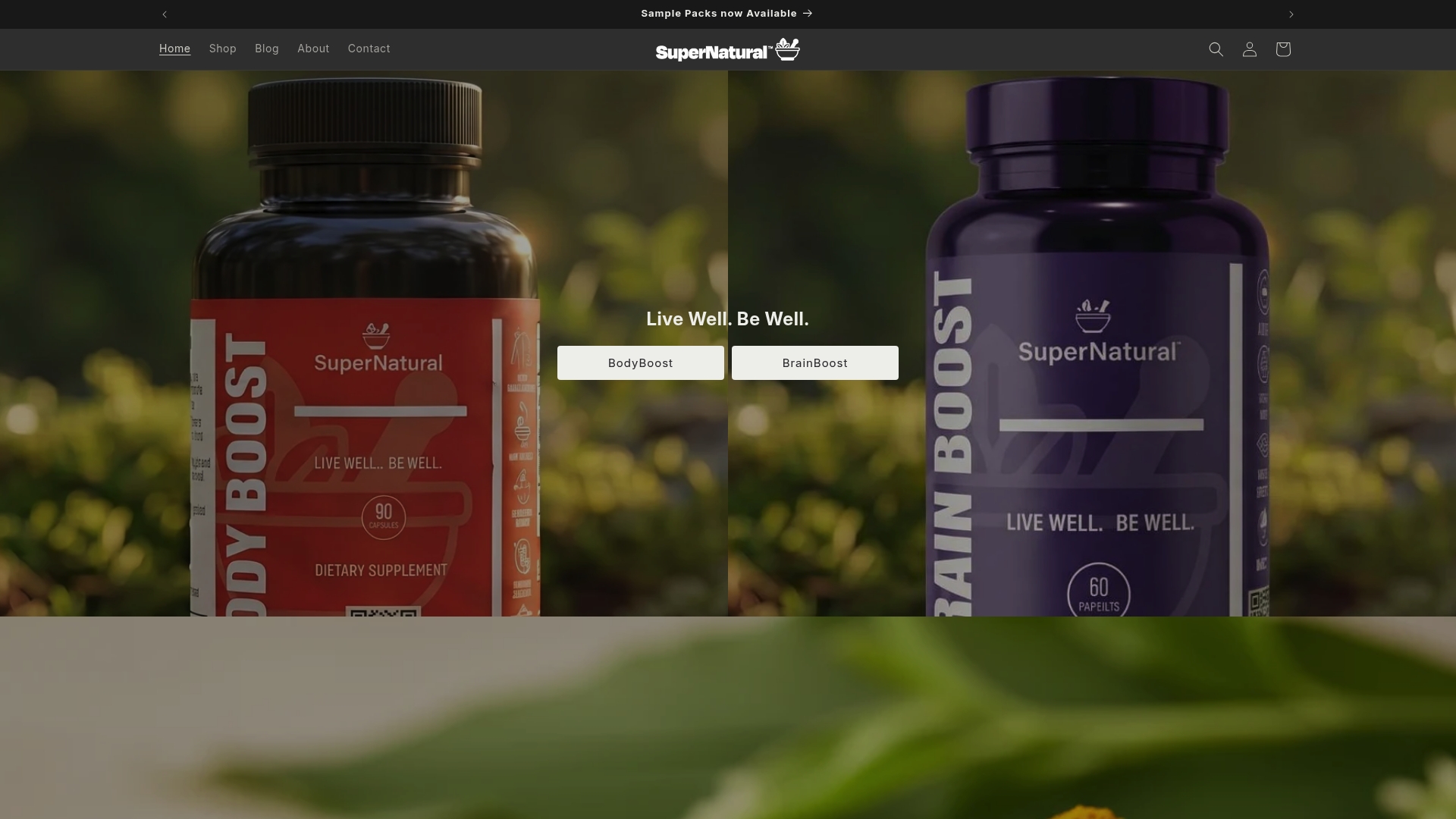
SuperNatural Supplements addresses this directly with BioSoluble® Curcumin™, a patented delivery system that provides significantly enhanced bioavailability compared to standard curcumin powder. The formulation supports a healthy inflammatory response and promotes antioxidant activity at the cellular level. SuperNatural’s C.O.R.E. and BodyControl, BodyBoost and BrainBoost product are built on this technology, designed for those who want the real benefits of curcumin, not just the label claim. If you are serious about antioxidant support, this is where the science meets the supplement.
FAQ
What are antioxidant supplements?
Antioxidant supplements are compounds taken to help neutralize free radicals and reduce oxidative stress in the body. They fall into three main categories: antioxidant vitamins (C, E, beta-carotene), minerals that activate antioxidant enzymes (selenium, zinc, copper), and plant-derived compounds (polyphenols, carotenoids, terpenes).
Which antioxidant supplement is best for general wellness?
No single supplement covers all oxidative stress pathways, so a combination approach works better than one product. Vitamin C, vitamin E, and a plant-derived compound like curcumin or quercetin together address multiple mechanisms.
Should I take antioxidant supplements with food?
Fat-soluble antioxidants including vitamin E, CoQ10, and astaxanthin absorb best when taken with a fat-containing meal. Water-soluble options like vitamin C and NAC can be taken at any time.
Can you take too many antioxidant supplements?
Yes. High-dose supplementation can cause antioxidants to act as pro-oxidants, generating oxidative damage rather than preventing it. Targeted, moderate dosing aligned with specific health goals is the evidence-supported approach.
What are the best natural food sources of antioxidants?
Vitamin C is concentrated in citrus fruits and bell peppers, vitamin E in nuts and seeds, selenium in Brazil nuts and seafood, and polyphenols in berries, green tea, and dark chocolate. A varied, plant-rich diet covers most antioxidant needs without supplementation.
This article is provided for educational and informational purposes only and does not constitute providing medical advice or professional services. Always consult with a qualified and licensed physician or other medical care provider. Statements have not been evaluated by the Food & Drug Administration. This product is not intended to diagnose, treat, cure, or prevent any disease.