

A healthy immune system is your body’s coordinated defense network, a complex system of organs, white blood cells, proteins, and chemicals that distinguishes self from invaders while maintaining internal balance. The key word here is balance. A healthy immune system does not simply fight harder; it fights smarter, responding proportionately to real threats without turning on the body itself. Think of it less like a stronger army and more like a well-trained one that knows when to engage and when to stand down.
A truly healthy immune response includes all of the following:
- Rapid recognition of pathogens, damaged cells, and foreign substances
- Proportionate response that neutralizes threats without causing collateral tissue damage
- Immunological memory that allows faster, stronger reactions to repeat exposures
- Self-tolerance that prevents the immune system from attacking the body’s own healthy cells
- Timely resolution that turns off the immune response once a threat is cleared
How does the immune system protect your body?
The immune system operates through two interconnected branches: innate immunity and adaptive immunity. Understanding both is the foundation of understanding healthy immune function.
Innate immunity is the defense you are born with. It acts within minutes to hours and includes:
- Physical barriers like skin and mucous membranes that block pathogen entry
- White blood cells such as neutrophils, macrophages, and natural killer cells
- Chemical signals (cytokines) that trigger inflammation to contain infection
Adaptive immunity develops over days and weeks but generates lasting protection:
- B lymphocytes produce antibodies that target specific pathogens
- T lymphocytes coordinate and execute targeted attacks on infected cells
- Immunological memory means a second exposure to the same pathogen triggers a faster, stronger response
- Vaccines work precisely by stimulating this adaptive branch without causing disease
The immune system identifies threats through two types of molecular signals. Pathogen-associated molecular patterns (PAMPs) are released by infectious microbes like bacteria and viruses. Danger-associated molecular patterns (DAMPs) signal cellular damage from non-infectious causes like sunburn or cancer. This dual recognition system lets the immune system respond to the right threats while leaving healthy cells alone.
Pro Tip: Vaccines are one of the most evidence-backed tools for supporting adaptive immunity. Staying current on recommended vaccinations primes your immune memory before you ever encounter the real pathogen.
What habits genuinely support healthy immune function?
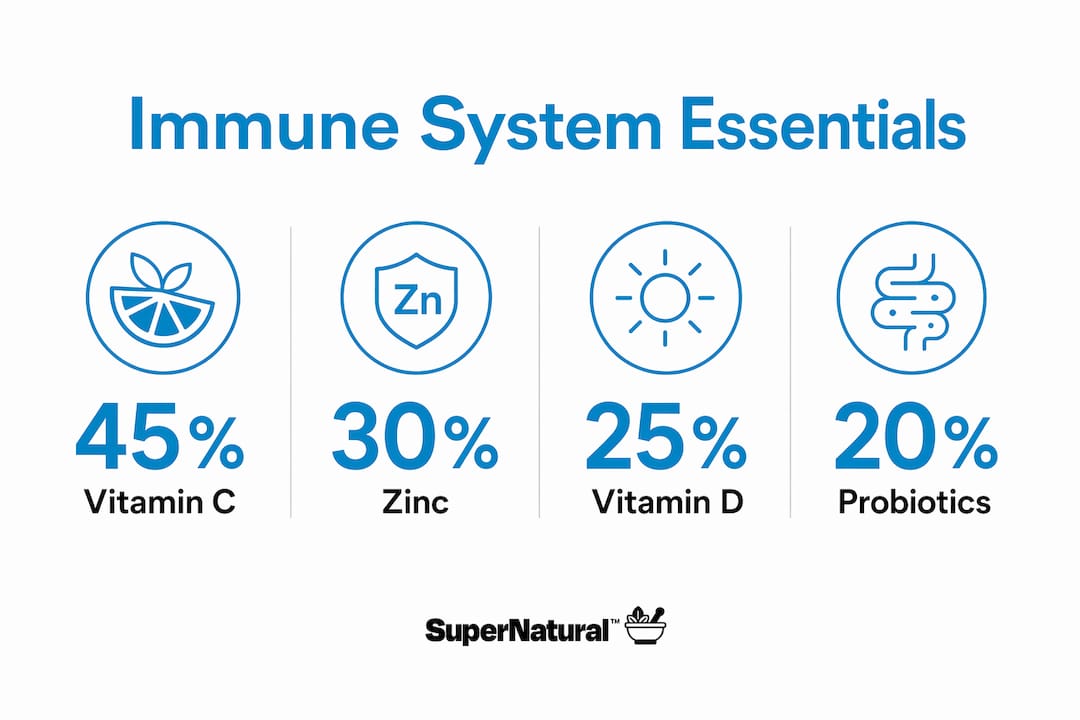
Healthy lifestyle habits are the most reliable way to maintain balanced immune function. No single supplement or food can replace the cumulative effect of consistent daily choices. Harvard Health is direct on this: the best step you can take is following general good-health guidelines, because every system in your body, including your immune system, functions better when supported by healthy living.
The habits with the strongest evidence behind them include:
- Eat a diet rich in fruits and vegetables. Whole foods provide the vitamins, minerals, and fiber your immune cells depend on. Dietary diversity matters more than any single “superfood.”
- Exercise regularly. Physical activity supports cardiovascular health, helps regulate body weight, and contributes to overall immune balance. Moderate, consistent exercise is the target, not extreme training.
- Get adequate sleep. Sleep is when the body repairs and regulates immune activity. Chronic sleep deprivation measurably impairs immune responses.
- Avoid smoking. Smoking damages the respiratory epithelium, one of the body’s primary physical barriers against pathogens.
- Moderate alcohol consumption. Excess alcohol disrupts immune cell function and increases susceptibility to infection.
- Wash your hands frequently. Reducing pathogen exposure is as important as strengthening the response to pathogens.
- Manage stress actively. Chronic stress elevates cortisol, which suppresses immune responses over time and leaves the body more vulnerable.
“Your first line of defense is to choose a healthy lifestyle. Following general good-health guidelines is the single best step you can take toward naturally keeping your immune system working properly.” — Harvard Health
Gut health deserves a specific mention here. About 80% of immune cells reside in the gut-associated lymphoid tissue, making the gut a central hub for immune regulation. Consuming fiber-rich foods and fermented foods that support a healthy gut microbiome directly supports this immune-gut axis.
Which micronutrients does your immune system need most?
Micronutrients are the building blocks your immune cells use to function. Deficiencies in key vitamins and minerals do not just slow you down; they increase susceptibility to infections and weaken both innate and adaptive responses. The NIH identifies the following as critical for proper immune function:
- Vitamin A: Maintains the integrity of epithelial barriers (skin, gut lining, respiratory tract) and supports immune cell activity. Deficiency is directly linked to increased infection risk.
- Vitamin C: Supports the production and function of white blood cells and acts as an antioxidant that protects immune cells from oxidative damage.
- Vitamin D: Modulates both innate and adaptive immune responses. All immune cells express vitamin D receptors, and adequate levels are associated with lower viral replication rates.
- Vitamin E: Supports humoral and cell-mediated immunity. Deficiency reduces natural killer cell activity.
- Vitamins B6 and B12: B6 supports lymphocyte production; B12 deficiency decreases the phagocytic capacity of neutrophils, the cells that engulf and destroy bacteria.
- Zinc: Involved in the formation, activation, and maturation of lymphocytes. Zinc deficiency is associated with elevated inflammatory markers and increased susceptibility to respiratory infections.
- Selenium: Functions as a component of antioxidant enzymes and helps regulate the inflammatory response. Deficiency worsens outcomes in viral infections.
- Iron and copper: Both support immune cell metabolism and the body’s ability to mount an effective response.
Food-based nutrition is the preferred way to meet these needs. Whole foods provide a complex nutrient matrix that isolated supplements cannot replicate. A daily multivitamin may help where dietary gaps exist, but megadoses of single vitamins do not improve immune resistance and can sometimes cause harm. The goal is adequacy, not excess.
How can you recognize signs of strong or weak immunity?

You do not need a lab test to get a general sense of how your immune system is performing. Signs of a strong immune system include infrequent illnesses, quick recovery times when you do get sick, and consistently good energy levels. No immune system is perfect, and occasional colds are normal, but the pattern over time tells the story.
Signs that your immune function may be compromised include:
- Frequent infections, particularly respiratory or sinus infections
- Infections that last longer than expected or are unusually severe
- Slow wound healing
- Chronic fatigue that does not resolve with rest
- Recurring digestive issues, which may reflect disruption in the gut-immune axis
Blood disorders and organ inflammation can also be symptoms of immune dysfunction, particularly in cases of primary immunodeficiency. If you notice a persistent pattern of frequent or severe illness, that warrants a conversation with your doctor rather than a self-directed supplement regimen.
What are common immune system disorders?
Immune disorders fall into three broad categories, each reflecting a different kind of imbalance. Understanding them reinforces why immune balance matters more than simply having a “stronger” immune system.
Immunodeficiency disorders occur when the immune system is underactive. Primary immunodeficiencies are usually genetic, present from birth, and cause people to get sick more often, with infections that are harder to treat. Secondary immunodeficiencies develop from external causes, including HIV infection, malnutrition, or certain medications.
Autoimmune diseases occur when the immune system overreacts and attacks the body’s own healthy cells by mistake. Conditions like rheumatoid arthritis, lupus, and type 1 diabetes all involve this misdirected immune activity. The immune system is not “too weak” in these cases; it is dysregulated.
Allergies and hypersensitivity reactions represent a third category, where the immune system mounts a response to a harmless substance (pollen, certain foods, pet dander) as though it were a genuine threat. Asthma is a related condition driven by chronic airway inflammation from an overactive immune response.
All three categories share a common thread: the problem is not the absence of immune activity but the loss of appropriate regulation. This is why supporting immune health naturally focuses on maintaining equilibrium rather than simply amplifying immune output.
How does stress affect your immune system?
Chronic stress is one of the most consistent suppressors of immune function. When the body perceives a threat, it releases cortisol, a hormone that is useful in short bursts but damaging when elevated for weeks or months. Sustained high cortisol levels suppress the production and activity of immune cells, leaving the body less capable of fighting off infections.

The practical consequence is straightforward: people under prolonged psychological stress get sick more often and recover more slowly. Stress also disrupts sleep, which compounds the immune impact since sleep is when the body regulates and repairs immune activity.
Effective coping strategies that support immune health include:
- Mindfulness and meditation, which have measurable effects on cortisol regulation
- Regular physical activity, which reduces stress hormones and supports immune balance
- Social connection, since isolation is itself a physiological stressor
- Consistent sleep schedules, which anchor the body’s circadian regulation of immune function
- Limiting chronic overwork, since sustained high-demand periods without recovery drive cortisol elevation
The relationship between stress and immunity is bidirectional. Managing stress is not a soft lifestyle recommendation; it is a direct input into how well your immune system performs. For a deeper look at evidence-based immune support steps, the science consistently points back to these foundational habits.
Key Takeaways
A healthy immune system is defined by balance, not strength, and consistent lifestyle habits are the most reliable way to maintain that balance.
| Point | Details |
|---|---|
| Balance over strength | A healthy immune system responds proportionately; overactivation causes autoimmune disease, underactivation causes infection. |
| Two-branch defense | Innate immunity acts immediately; adaptive immunity builds targeted memory over days and provides lasting protection. |
| Lifestyle is the foundation | Diet, sleep, exercise, stress management, and avoiding smoking are the habits with the strongest evidence for immune support. |
| Micronutrients matter | Deficiencies in zinc, selenium, vitamins A, C, D, and E all measurably impair immune cell function and increase infection risk. |
| SuperNatural Supplements | BodyBoost is formulated to support balanced immune function using patented BioSoluble Curcumin for enhanced bioavailability. |
The case for balance over “boosting”
The word “boosting” has done a lot of damage to how people think about immune health. Walk into any pharmacy and you will find shelves of products promising to supercharge your defenses. The science tells a different story. Overactivation of the immune system is the core mechanism behind autoimmune diseases and allergies. A “stronger” immune system is not always a healthier one.
What the evidence actually supports is maintaining the conditions your immune system needs to self-regulate. Whole foods, consistent sleep, stress management, and regular movement are not glamorous interventions, but they are the ones with decades of research behind them. No herb, megadose vitamin, or proprietary blend has been shown to improve immune resistance beyond what adequate nutrition and healthy living already provide.
Where supplements can genuinely help is in addressing documented deficiencies. If your zinc or vitamin D levels are low, correcting that deficiency restores normal immune function. That is a meaningful clinical benefit. But taking extra zinc when your levels are already adequate does not make your immune system stronger; it just adds unnecessary load.
We think the most honest thing a wellness brand can say is this: supplements work best as targeted support within a lifestyle that already prioritizes the basics. That is the philosophy behind SuperNatural Supplements.
SuperNatural Supplements and targeted immune support
For people who have the lifestyle fundamentals in place and want targeted nutritional support, SuperNatural Supplements offers a science-grounded option worth knowing about.

BodyBoost is SuperNatural’s formulation designed specifically for immune health. It uses the brand’s patented BioSoluble Curcumin process, which delivers significantly higher bioavailability than standard curcumin. Standard curcumin is notoriously difficult for the body to absorb; the BioSoluble process addresses that directly, so more of the active compound actually reaches circulation. Curcumin supports a healthy inflammatory response, which is closely tied to immune regulation. BodyBoost is not a replacement for the lifestyle habits covered in this article. It is designed to complement them, providing targeted nutritional support for people who want to go beyond the basics. As always, check with your doctor before adding any supplement, particularly if you have an existing health condition or take medications.
This article is provided for educational and informational purposes only and does not constitute providing medical advice or professional services. Always consult with a qualified and licensed physician or other medical care provider. Statements have not been evaluated by the Food & Drug Administration. This product is not intended to diagnose, treat, cure, or prevent any disease.