

Optimal immune support is defined as providing your immune system with the specific micronutrients, lifestyle conditions, and long-term consistency it needs to function at full capacity, not just avoid deficiency. The scientific term for this approach is “life-course immunonutrition,” and it goes well beyond taking a daily multivitamin. Subclinical micronutrient insufficiencies are common even in affluent countries, quietly raising infection risk and healthcare burden without producing obvious symptoms. The goal is not to overstimulate your defenses but to give them everything they need to work reliably, day after day.
What is optimal immune support, and which micronutrients drive it?
Optimal immune support requires micronutrient intakes that often exceed standard Recommended Dietary Allowances (RDAs). RDAs are designed to prevent deficiency, not to fuel peak immune performance. Immune function demands levels of key vitamins and minerals that go meaningfully beyond those thresholds.

The most critical micronutrients for immune cell function, barrier integrity, and inflammation control include vitamins A, C, D, E, B6, B9 (folate), and B12, along with zinc, selenium, iron, and copper. Each one plays a distinct role. Vitamin C supports neutrophil function and acts as an antioxidant at infection sites. Vitamin D regulates both innate and adaptive immune responses. Zinc is required for the development of T cells and natural killer cells. Selenium supports antioxidant enzymes that protect immune cells from oxidative damage.
The table below compares standard RDAs with the intake levels associated with active immune support:
| Nutrient | Standard RDA | Immune-Support Target |
|---|---|---|
| Vitamin C | 75–90 mg/day | ≥200 mg/day |
| Vitamin D | 600–800 IU/day | 1,000–2,000 IU/day |
| Zinc | 8–11 mg/day | 15–25 mg/day |
| Selenium | 55 mcg/day | 100–200 mcg/day |
These higher intake targets reflect what research links to measurable immune benefits, not just the floor for avoiding illness. That distinction matters enormously when you are trying to build real resilience.
Protein deserves a separate mention. Immune cells require protein to proliferate and respond to threats. During illness or stress, your body prioritizes immune function and will break down muscle tissue if dietary protein falls short. Adequate protein intake is a non-negotiable foundation for immune resilience, not an optional add-on.
Pro Tip: If you eat a varied whole-food diet but still feel run-down frequently, a targeted micronutrient panel from your doctor can identify the specific gaps worth addressing before you add supplements.
How do lifestyle habits strengthen your immune system?
Consistent healthy habits are the backbone of immune resilience. No supplement corrects the damage done by chronic sleep deprivation, unmanaged stress, or a sedentary lifestyle. The best immune support strategies work because they address the biological conditions your immune system depends on every single day.
Here are the lifestyle factors with the strongest evidence behind them:
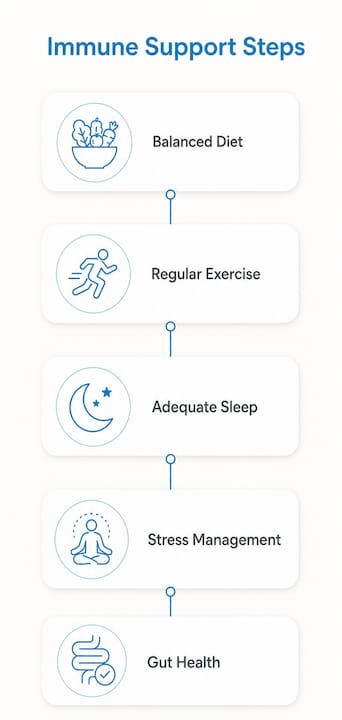
- Moderate exercise. Brisk walking and similar activities increase circulating immune cells and antibody production. Excessive intense training, by contrast, can temporarily suppress immunity. Aim for 150 minutes of moderate activity per week.
- Sleep. Your immune system repairs and consolidates memory during deep sleep. Adults who consistently get fewer than 7 hours per night show measurably weaker antibody responses to vaccines.
- Stress management. Chronic stress and elevated cortisol suppress immune function, impair pathogen defense, and reduce vaccine responsiveness. Stress management is a primary biological necessity for immunity, not a secondary wellness tip.
- Gut microbiome diversity. Fiber intake of 30 grams daily promotes microbial diversity, which supports T-cell responses and gut barrier integrity. Eating a wide range of plant foods is the most practical way to hit that target.
- Avoiding smoking and excess alcohol. Both directly impair mucosal immunity and reduce the effectiveness of immune surveillance.
Pro Tip: Gardening is a surprisingly effective immune habit. Contact with healthy soil microbiota enriches gut microbial diversity, which supports stronger immune responses over time.
The natural ways to support immunity that get the most attention, like vitamin C megadosing, matter far less than these daily fundamentals. Think of micronutrients as the fuel and lifestyle habits as the engine. You need both.
Why does a life-course approach matter for lasting immune health?
Your immune system is not static. It changes dramatically from infancy through old age, and each life stage brings different vulnerabilities. Immune competence shifts throughout childhood, adolescence, pregnancy, and aging, requiring consistent nutritional and lifestyle support to prevent decline.
The process of immune aging has two names worth knowing. Immunosenescence refers to the gradual decline in immune cell function that comes with age. Inflammaging describes the low-grade chronic inflammation that accumulates over decades and raises the risk of heart disease, metabolic disorders, and cognitive decline. Both are accelerated by subclinical micronutrient insufficiencies that go undetected for years.
A life-course framework addresses this by treating immune health as a continuous investment rather than a crisis response. Here is how that looks across key life stages:
- Early childhood. The immune system is highly plastic and shaped by early nutritional exposures. Adequate vitamin A, D, and zinc during this window builds the foundation for lifelong immune competence.
- Adolescence and young adulthood. Rapid growth increases micronutrient demands. Iron deficiency is particularly common in young women and directly impairs immune cell activity.
- Pregnancy. Immune tolerance shifts to protect the fetus. Folate, iron, and vitamin D needs increase substantially, and insufficiency raises infection risk for both mother and child.
- Midlife. Subclinical insufficiencies accumulate quietly. This is the stage where consistent healthy aging support pays the biggest long-term dividends.
- Older adulthood. Immunosenescence accelerates. Higher intakes of vitamin D, zinc, and selenium are associated with better immune responses and reduced infection severity.
Life-course immunonutrition is not about taking more pills at every stage. It is about recognizing that immune health requires sustained attention, not periodic intervention.
How can you implement immune support practically every day?
Practical immune support comes down to closing the gap between what your body needs and what your current diet and habits actually provide. The best immune support strategies combine food-first nutrition with targeted supplementation and consistent lifestyle practices.
- Prioritize dietary diversity. Aim for at least 30 different plant foods per week. Each variety feeds different microbial strains in your gut, which in turn support different arms of your immune system.
- Test before you supplement vitamin D. About 25% of US adults are vitamin D deficient, but excess fat-soluble vitamins can cause toxicity. A simple blood test tells you exactly where you stand before you start dosing.
- Hit your protein target daily. A general guideline for active adults is 0.7–1.0 grams of protein per pound of body weight. Prioritize whole food sources like eggs, legumes, fish, and lean meats.
- Build a consistent sleep schedule. Going to bed and waking at the same time each day, even on weekends, stabilizes the hormonal environment your immune system depends on.
- Practice a daily stress-reduction habit. Even 10 minutes of diaphragmatic breathing or mindfulness practice measurably lowers cortisol over time. The effect on immune function is real and well-documented.
- Use bioavailable supplements strategically. Not all supplements absorb equally. Bioavailability determines how much of a nutrient actually reaches your cells. Choose formulations with documented absorption advantages over standard forms.
Balanced nutrition for immunity supports immune cell proliferation and inflammation control through interconnected metabolic networks. No single food or nutrient works in isolation. The goal is a pattern, not a shortcut.
Key Takeaways
Optimal immune support requires consistent micronutrient intake above standard RDAs, combined with sleep, moderate exercise, stress management, and gut health practices sustained across every life stage.
| Point | Details |
|---|---|
| Exceed standard RDAs | Immune function needs vitamin C ≥200 mg/day and vitamin D 1,000–2,000 IU/day, above deficiency-prevention levels. |
| Lifestyle habits are non-negotiable | Sleep, moderate exercise, and stress reduction directly regulate immune cell activity and antibody production. |
| Gut microbiome drives immunity | 30 grams of daily fiber supports microbial diversity, T-cell responses, and gut barrier integrity. |
| Life-course consistency matters | Subclinical insufficiencies accumulate silently; sustained nutritional support prevents immunosenescence and inflammaging. |
| Test before supplementing | Vitamin D status varies widely; a blood test prevents toxicity and guides effective dosing. |
The difference between “boosting” and actually supporting your immune system
We see a lot of marketing around “immune boosting,” and we want to be direct about why that framing is misleading. An overactive immune system does not protect you better. It creates inflammation, raises autoimmune risk, and exhausts immune resources. What you actually want is a well-supported immune system, one that responds proportionately, recovers efficiently, and stays ready.
The most common mistake we observe is people reaching for high-dose single nutrients, like zinc lozenges or megadose vitamin C, while ignoring sleep debt, chronic stress, and a diet low in fiber. Those single-nutrient interventions do almost nothing against the immune suppression caused by elevated cortisol or poor gut health. Stress management is not a soft lifestyle tip. It is a direct biological input into immune function, and neglecting it undermines everything else you do.
The second most common mistake is treating immune support as a seasonal project. You take something in the fall and forget about it in the spring. Immunosenescence and inflammaging build over decades of subclinical insufficiency. The people who age with strong immune systems are the ones who maintained consistent nutritional and lifestyle habits throughout their lives, not the ones who did a two-week protocol once a year.
We built SuperNatural Supplements around this philosophy. Real immune resilience comes from sustained, well-formulated support, not from temporary spikes in any single nutrient.
— SuperNatural
SuperNatural Supplements BodyBoost: formulated for real immune resilience
SuperNatural Supplements designed BodyBoost specifically for people who want their immune support to work at the cellular level, not just check a box on a label. BodyBoost targets the essential micronutrients your immune system actually uses, formulated for absorption so the nutrients reach your cells rather than passing through unused.
BodyBoost fits naturally into the daily immune support regimen described throughout this article. It complements a fiber-rich diet, consistent exercise, and stress management by filling the micronutrient gaps that whole foods alone often leave. SuperNatural Supplements also uses its patented BioSoluble Curcumin process to deliver curcuminoids with significantly enhanced bioavailability compared to standard curcumin, supporting a healthy inflammatory response alongside immune function. If you are serious about long-term immune resilience, BodyBoost is worth adding to your daily routine.
FAQ
What is optimal immune support, exactly?
Optimal immune support is the practice of providing your immune system with sufficient micronutrients, consistent lifestyle habits, and long-term nutritional consistency to function at full capacity. It goes beyond preventing deficiency and focuses on sustaining immune resilience across all life stages.
Which vitamins are most important for immune function?
Vitamins C, D, A, E, B6, folate, and B12 are the most critical for immune cell development, barrier integrity, and inflammation control. Vitamin D and vitamin C are the two most commonly insufficient in adults and have the strongest evidence for immune support at higher-than-RDA intakes.
Does exercise help or hurt immune health?
Moderate exercise, such as brisk walking for 150 minutes per week, enhances immune surveillance and reduces infection risk. Excessive high-intensity training can temporarily suppress immunity, so intensity and recovery balance matter.
How does stress affect the immune system?
Chronic stress raises cortisol, which suppresses immune cell activity, impairs pathogen defense, and reduces vaccine responsiveness. Managing stress through daily practices like breathing exercises or mindfulness is a direct biological input into immune health.
Should I supplement vitamin D without testing first?
Testing your vitamin D level before supplementing is the recommended approach. About 25% of US adults are deficient, but vitamin D is fat-soluble and can accumulate to toxic levels. A blood test tells you whether you need a low, moderate, or higher dose.
This article is provided for educational and informational purposes only and does not constitute providing medical advice or professional services. Always consult with a qualified and licensed physician or other medical care provider. Statements have not been evaluated by the Food & Drug Administration. This product is not intended to diagnose, treat, cure, or prevent any disease.