

Enhanced absorption is defined as the measurable increase in bioavailability that allows your body to actually use a nutrient or compound, rather than losing most of it to metabolism before it reaches your bloodstream. Most people assume that swallowing a supplement means the body receives the full dose. That assumption is wrong, and it explains why so many people take high-dose supplements and feel nothing. The science of why enhanced absorption matters comes down to one gap: the difference between what you consume and what your body actually absorbs. Delivery technology and bioenhancers like piperine close that gap.
Why enhanced absorption matters for supplement efficacy
The body does not absorb every compound equally. First-pass hepatic extraction causes the loss of more than 70% of some compounds before they ever reach systemic circulation. That means a 500 mg capsule of a poorly bioavailable compound may deliver less than 150 mg of actual benefit. The rest gets broken down by liver enzymes before it can do anything useful.
Bioenhanced absorption, the recognized industry term for formulations engineered to overcome these barriers, works through two main strategies: bioenhancers and advanced delivery systems.
Bioenhancers are compounds that increase the bioavailability of another substance without having strong pharmacological effects themselves. Piperine, the active compound in black pepper, is the most studied example. Piperine increases curcuminoid bioavailability by up to 154% by inhibiting drug-metabolizing enzymes like CYP3A4. That means more curcumin survives long enough to enter your bloodstream and reach target tissues.
Advanced delivery systems take a different approach. Liposomal formulations wrap compounds in phospholipid spheres that mimic the body’s own cell membranes. Liposomal encapsulation provides a transporter-independent absorption route via endocytosis, bypassing the intestinal transporter constraints that limit conventional capsules. Phytosomes bond active compounds to phospholipids for similar effect. Nanoencapsulation and lipidic nanocarriers go further, providing sustained release and bypassing hepatic first-pass effects for better overall bioavailability.
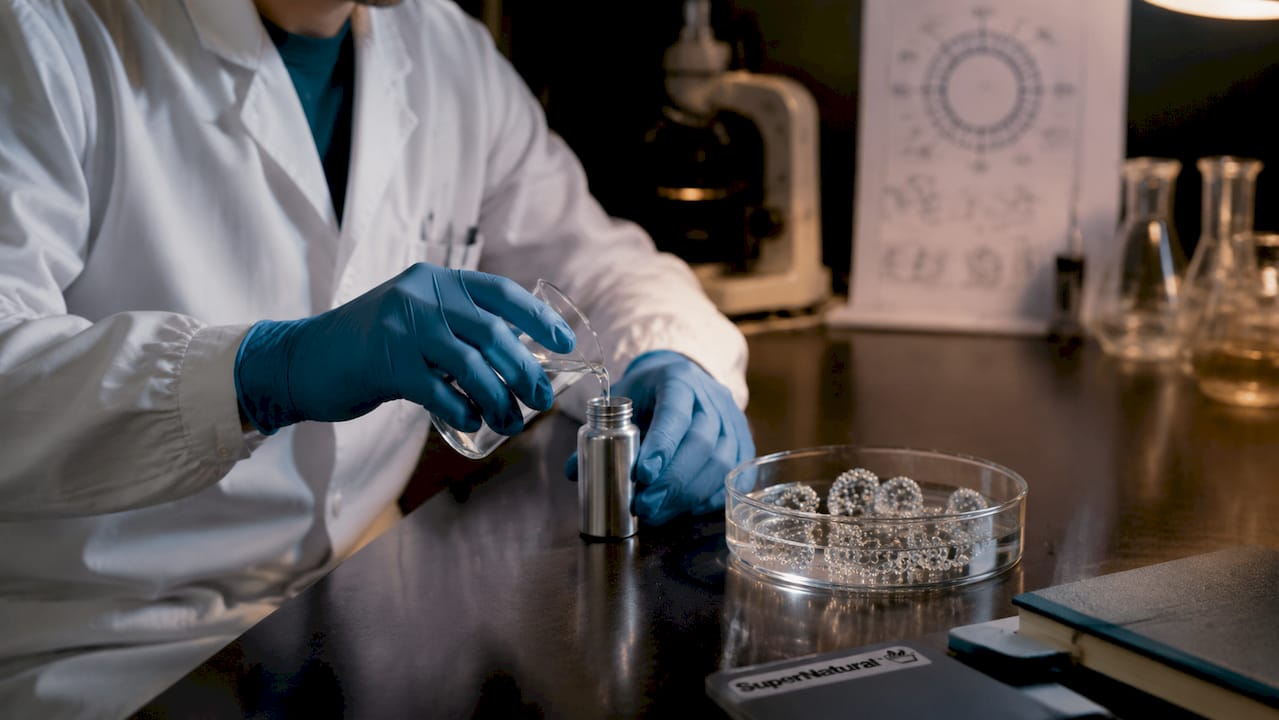
Pro Tip: When reading a supplement label, look for terms like “liposomal,” “phytosome,” “BioPerine,” or “nanoencapsulated.” These signal that the formulation addresses absorption, not just ingredient dose.
What are the health benefits of enhanced nutrient uptake?
Better absorption produces real, measurable health outcomes. The benefits are not theoretical. They show up in clinical data across inflammation, cognition, and metabolic health.
-
Reduced inflammation. Curcumin is one of the most studied anti-inflammatory compounds in nutrition science. The problem is that standard curcumin has poor oral bioavailability on its own. Pairing it with piperine changes that outcome entirely. Bioenhancers like piperine inhibit premature metabolism, allowing more of the compound to reach tissues where inflammation occurs. The result is a stronger anti-inflammatory effect from the same or lower dose.
-
Improved cognitive function. The brain is protected by the blood-brain barrier, which blocks many compounds from entering. Lipid-based delivery systems, including liposomal and nanoparticle formats, are better equipped to cross this barrier than standard capsule forms. Supplements designed for brain and body health that use enhanced delivery can support neurotransmitter function and reduce neuroinflammation more effectively than unformulated versions.
-
Metabolic health support. Berberine is a compound with strong evidence for blood sugar regulation and metabolic function. A study on liposomal berberine found a 70.1% increase in peak plasma concentration and a 42.8% increase in total exposure compared to unformulated berberine. That kind of difference in plasma levels translates directly into stronger clinical outcomes.
-
Greater return on supplement investment. Paying for a high-dose supplement that your body cannot absorb is like wanting a strong cup of coffee and only sniffing the beans. Enhanced delivery means the dose on the label is closer to the dose your body actually receives.
“The distinction between amount consumed and amount absorbed is critical; bioenhanced delivery ensures more of the consumed supplement reaches systemic circulation.”
How to improve absorption naturally and through smart supplementation
Absorption efficiency is not only about the supplement form you choose. Diet, timing, and food pairings all affect how much of a nutrient your body captures.
Natural dietary strategies
- Pair fat-soluble nutrients with dietary fat. Vitamin A and carotenoids show significantly higher uptake when consumed with dietary fats like olive oil or avocado. Fat facilitates lymphatic transport and protects compounds from early metabolism.
- Support gut health. A healthy gut lining is the foundation of nutrient uptake. Probiotic-rich foods like yogurt, kefir, and fermented vegetables maintain the intestinal environment that absorption depends on. Gut health directly affects how efficiently nutrients cross the intestinal wall.
- Avoid absorption inhibitors at the wrong time. Calcium blocks iron absorption when taken together. Tannins in coffee and tea reduce absorption of several minerals. Timing supplements away from these inhibitors preserves their efficacy.
Supplement formulation choices
| Formulation type | Primary benefit | Best for |
|---|---|---|
| Liposomal | Bypasses intestinal transporters via endocytosis | Fat-soluble vitamins, berberine, curcumin |
| Phytosome | Bonds compound to phospholipids for better uptake | Polyphenols, herbal extracts |
| Nanoencapsulated | Sustained release, bypasses first-pass metabolism | Vitamins A, D, E, K |
| Bioenhancer paired | Inhibits metabolic enzymes to extend compound presence | Curcumin with piperine |
| Standard capsule | Adequate for inherently high-bioavailability compounds | Vitamin C, most B vitamins |
Pro Tip: Take fat-soluble supplements like vitamins D and K with your largest meal of the day. The dietary fat in that meal acts as a natural absorption enhancer, improving uptake without any additional cost.
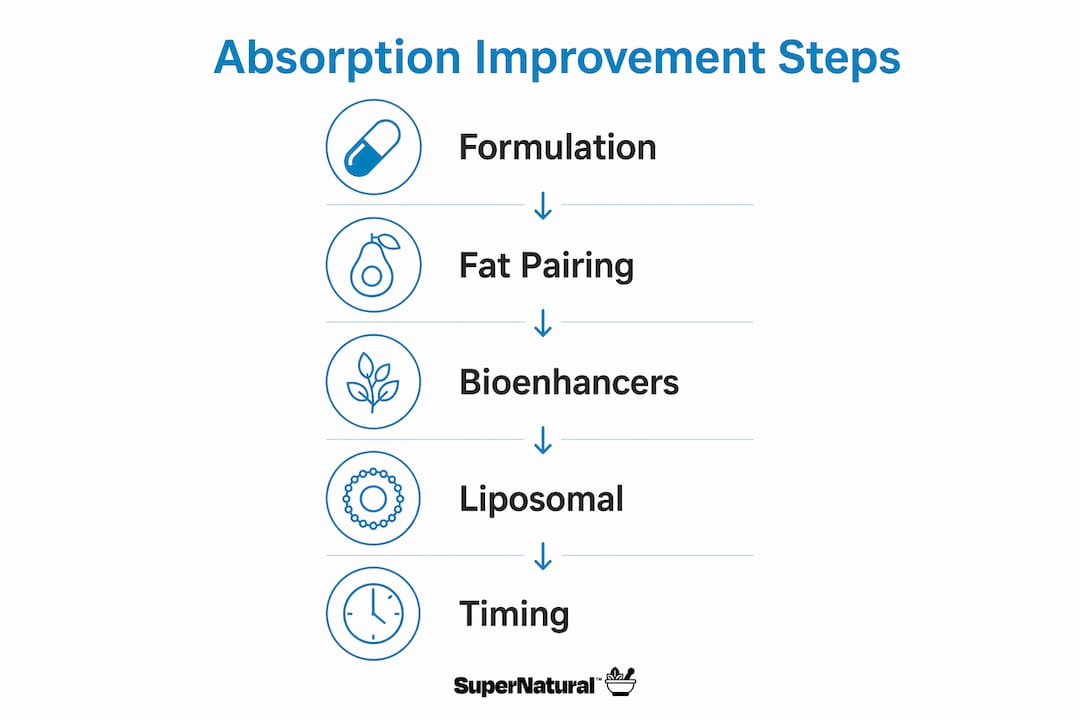
Understanding how to enhance bioavailability through both diet and formulation gives you two levers to pull instead of one.
When does enhanced absorption actually make a difference?
Not every supplement needs an enhanced delivery system. Understanding when formulation matters prevents unnecessary spending and sets realistic expectations.
Enhanced absorption formulations deliver the greatest benefit when:
- The compound has poor inherent bioavailability. Curcumin, resveratrol, and berberine are classic examples. Resveratrol has less than 1% oral bioavailability in standard form due to rapid metabolism. Enhanced delivery changes that equation significantly.
- The compound is subject to heavy first-pass metabolism. When the liver breaks down most of a compound before it reaches circulation, delivery systems that bypass the liver become critical.
- The therapeutic window is narrow. When you need a precise plasma concentration to see a clinical effect, absorption variability becomes a real problem. Enhanced delivery reduces that variability.
Enhanced absorption offers little advantage when:
- The compound already has high bioavailability. Vitamin C, magnesium glycinate, and most B vitamins absorb well in standard forms. Paying a premium for liposomal versions of these may not produce meaningful differences.
- Transporter saturation limits uptake regardless of form. Many supplements reach a pharmacokinetic ceiling due to transporter saturation. NMN capsules, for example, saturate intestinal transporters above 300 mg, meaning higher doses waste the excess regardless of delivery format.
- The goal is local rather than systemic. Some compounds work in the gut itself. Enhanced systemic delivery is irrelevant if the target tissue is the intestinal lining.
A common misconception is that bioenhancers like piperine act as active drugs. They do not. Bioenhancers increase bioavailability by slowing metabolic clearance, not by adding pharmacological activity. That distinction matters when evaluating safety and drug interactions. Check with a doctor if you take medications that rely on CYP3A4 metabolism, since piperine inhibits that enzyme and could alter drug levels.
Learning to read supplement efficacy terms on labels helps you distinguish genuine delivery innovation from marketing language.
Key Takeaways
Enhanced absorption is the single most important factor separating a supplement that works from one that does not, because delivery determines how much of any dose actually reaches your bloodstream.
| Point | Details |
|---|---|
| First-pass metabolism is the main barrier | More than 70% of some compounds are lost before reaching circulation without enhanced delivery. |
| Piperine is a proven bioenhancer | Piperine increases curcuminoid bioavailability by up to 154% by inhibiting CYP3A4 enzyme activity. |
| Liposomal delivery bypasses transporters | Liposomal berberine showed a 70.1% increase in peak plasma concentration versus standard berberine. |
| Not all supplements need enhancement | Compounds with inherently high bioavailability or transporter saturation limits gain little from enhanced formats. |
| Diet amplifies formulation benefits | Pairing fat-soluble nutrients with dietary fat and supporting gut health improves absorption at no extra cost. |
The gap between label dose and real-world results
We have spent years looking at why people take well-researched supplements and still report no noticeable effect. The answer is almost always absorption. The label dose is not the absorbed dose. That gap is where most supplement programs quietly fail.
What strikes me most about the current state of supplement science is how few consumers know this. The industry has spent decades competing on ingredient dose. Bigger numbers on the label sell products. But a 1,000 mg capsule of poorly bioavailable curcumin delivers less active compound than a 200 mg liposomal or bioenhancer-paired formulation. The math is not close.
The most exciting development in 2026 is not a new ingredient. It is the maturation of delivery science. Nanoparticle systems, phytosomes, and patented bioenhancer processes are moving from pharmaceutical research into consumer supplements. That shift means the gap between label dose and absorbed dose is finally closing for people who know what to look for.
My honest advice: stop evaluating supplements by milligrams alone. Ask how the formulation addresses absorption. If the label does not answer that question, the product probably has not either.
— SuperNatural
SuperNatural Supplements and the science of better delivery
SuperNatural Supplements was built on the premise that delivery determines results.
The flagship BioSoluble Curcumin uses a patented process that provides significantly enhanced bioavailability compared to standard curcumin, addressing the exact absorption barrier that makes most curcumin products ineffective. BodyControl supports detoxification and a healthy inflammatory response. BrainBoost is formulated for advanced cognitive support, and BodyBoost targets superior immune function. Each product is built around the principle that the right delivery system is not optional. It is the difference between a supplement that works and one that does not.
FAQ
What is bioenhanced absorption?
Bioenhanced absorption is the use of bioenhancers or advanced delivery systems to increase the amount of a nutrient or compound that reaches systemic circulation. It addresses the gap between the dose on a label and the dose the body actually uses.
Why does enhanced absorption matter for curcumin?
Standard curcumin has very low oral bioavailability on its own. Pairing it with piperine increases curcuminoid bioavailability by up to 154% by inhibiting the CYP3A4 enzyme that would otherwise break it down before it reaches the bloodstream.
How does liposomal delivery improve nutrient uptake?
Liposomal delivery wraps compounds in phospholipid spheres that are absorbed via endocytosis, bypassing intestinal transporter saturation. This route allows higher plasma levels from the same dose compared to standard capsule forms.
Do all supplements benefit from enhanced delivery?
No. Compounds with inherently high bioavailability, like vitamin C or most B vitamins, absorb well in standard forms. Enhanced delivery provides the greatest benefit for compounds subject to heavy first-pass metabolism or poor intestinal absorption.
What natural strategies improve absorption efficiency?
Pairing fat-soluble vitamins with dietary fat, supporting gut health through probiotic-rich foods, and timing supplements away from absorption inhibitors like calcium and tannins all improve how much of a nutrient the body captures.
This article is provided for educational and informational purposes only and does not constitute providing medical advice or professional services. Always consult with a qualified and licensed physician or other medical care provider. Statements have not been evaluated by the Food & Drug Administration. This product is not intended to diagnose, treat, cure, or prevent any disease.
Recommended
- Defining Bioenhanced Supplements: What You Need to Know – SuperNatural
- Understanding Supplement Absorption for Brain and Inflammation Health – SuperNatural
- Curcumin absorption explained: maximize benefits for health – SuperNatural
- Explaining Supplement Bioavailability for Brain and Body Health – SuperNatural