

Plant-based supplements are defined as nutritional products derived from whole food or botanical sources that fill specific nutrient gaps your diet alone cannot reliably cover. If you eat a plant-forward diet, or simply want cleaner nutrition, the reasons for choosing plant-based supplements go beyond preference. Vitamin B12, algae-derived omega-3s (DHA and EPA), and vitamin D are three nutrients that plant foods either lack entirely or deliver in forms your body struggles to use. The benefits of plant-based supplements span improved cognitive focus, reduced inflammation, and stronger immune function. This article explains the science behind each benefit and shows you how to build a supplement routine that actually works.
Why use plant-based supplements to fill critical nutrient gaps
The most direct answer: B12 is absent in virtually all plant foods, and your body cannot synthesize it on its own. Harvard Health confirms that vitamin B12 exists only in animal foods or yeast extracts, which means anyone eating a predominantly plant-based diet is at real risk of deficiency without deliberate supplementation. That risk is not theoretical. B12 deficiency can silently deplete liver stores over months or years before symptoms appear, and by the time fatigue or nerve issues surface, the damage may already be significant.
Beyond B12, several other nutrients deserve attention:
- Vitamin D: Most adults do not get enough sun exposure for adequate synthesis, and plant foods contain little to none. Northwell Health identifies vitamin D as one of the key exceptions requiring supplementation for people on plant-based diets.
- Algae-based omega-3s (DHA/EPA): Flaxseeds and chia seeds provide ALA, a plant omega-3, but ALA converts poorly to the DHA and EPA your brain and cardiovascular system actually use.
- Iodine, iron, and zinc: These minerals are present in plant foods but often in lower amounts or less absorbable forms. Northwell and plant-based nutrition guides recommend testing blood levels and using targeted supplements based on individual results.
Pro Tip: Before buying a stack of supplements, get a blood panel that includes B12, vitamin D, ferritin (iron storage), and zinc. This gives you a precise baseline so you supplement what you actually need, not what you guess you need.
The advantages of plant-based nutrition are real, but no diet is perfect. Treating supplementation as intentional dietary coverage, rather than a sign that your diet has failed, is the right frame.
How do plant-based supplements support focus and cognitive function?
Cognitive performance depends on two nutrients that plant-based diets frequently under-deliver: vitamin B12 and long-chain omega-3 fatty acids. B12 deficiency causes brain fog, fatigue, and mood disruption because the vitamin is required for myelin production, the protective sheath around nerve fibers. When myelin degrades, nerve signal transmission slows. The good news is that Harvard Health notes symptom improvement can occur within days of starting supplementation in people who are deficient.

Omega-3s tell a similar story. DHA (docosahexaenoic acid) makes up roughly 15 to 20 percent of the brain’s cerebral cortex and is directly tied to memory, learning, and mood regulation. The problem for plant-based eaters is that algae-based DHA/EPA is the only reliable vegan source of preformed omega-3s. Algae supplements bypass the conversion bottleneck entirely by delivering DHA and EPA directly, the same way fish do (fish get their omega-3s from algae in the first place).
Key cognitive benefits linked to these supplements include:
- Reduced brain fog from correcting B12 deficiency
- Improved memory and learning supported by adequate DHA levels
- Mood stabilization tied to EPA’s role in neurotransmitter regulation
- Sustained mental energy from B12’s role in red blood cell production and oxygen delivery
Pro Tip: When selecting an algae omega-3 supplement, look for one that specifies both DHA and EPA content on the label, not just “omega-3.” Many algae products are DHA-only, which misses EPA’s mood and anti-inflammatory benefits.
For a deeper look at how to choose supplements for cognition, the specific dosing thresholds and quality markers matter as much as the ingredient itself.
Why plant-based supplements help reduce inflammation and support immune health
A meta-analysis of 7 clinical trials involving 541 participants found that plant-based dietary patterns reduce C-reactive protein (CRP) by approximately 1.13 mg/L compared to omnivorous diets. CRP is the blood marker most commonly used to measure systemic inflammation, and even modest reductions carry meaningful long-term health implications. That same research shows that combining plant-based diets with exercise pushes CRP reductions to approximately 1.46 mg/L, a 30 percent greater effect than diet alone.
Supplements amplify these results when they target inflammation directly. Two plant-based compounds stand out:
| Supplement | Mechanism | Key benefit |
|---|---|---|
| Curcumin (from turmeric) | Inhibits NF-kB inflammatory pathway | Reduces chronic inflammation markers including CRP |
| Algae omega-3 (DHA/EPA) | Converts to anti-inflammatory resolvins and protectins | Lowers inflammatory signaling in joints and brain tissue |
| Vitamin D | Modulates immune cell activity | Supports both innate and adaptive immune responses |
Curcumin deserves special attention here. Standard curcumin supplements have notoriously poor absorption because curcuminoids are fat-soluble and break down quickly in the digestive tract. Think of it like wanting a strong cup of coffee instead of just sniffing the beans. The curcuminoids need to actually reach your bloodstream to work. SuperNatural Supplements addresses this directly with its patented BioSoluble® Curcumin™ process, which significantly enhances bioavailability compared to standard curcumin formulations. You can read more about curcumin’s anti-inflammatory benefits and why absorption technology changes the outcome.
Vitamin D’s immune role is well established, but dosing requires care. The American Family Physician and the Endocrine Society both advise against routine vitamin D supplementation in all healthy adults, noting that excess intake carries real risks. Supplementation is most appropriate for people with confirmed deficiency, limited sun exposure, or specific health conditions.
Pro Tip: Anti-inflammatory benefits from supplements are an adjunct to a healthy diet, not a substitute. If your baseline diet is high in processed foods, no supplement will fully compensate. Build the dietary foundation first, then use targeted supplements to close specific gaps.
Plant-based supplements vs. synthetic alternatives
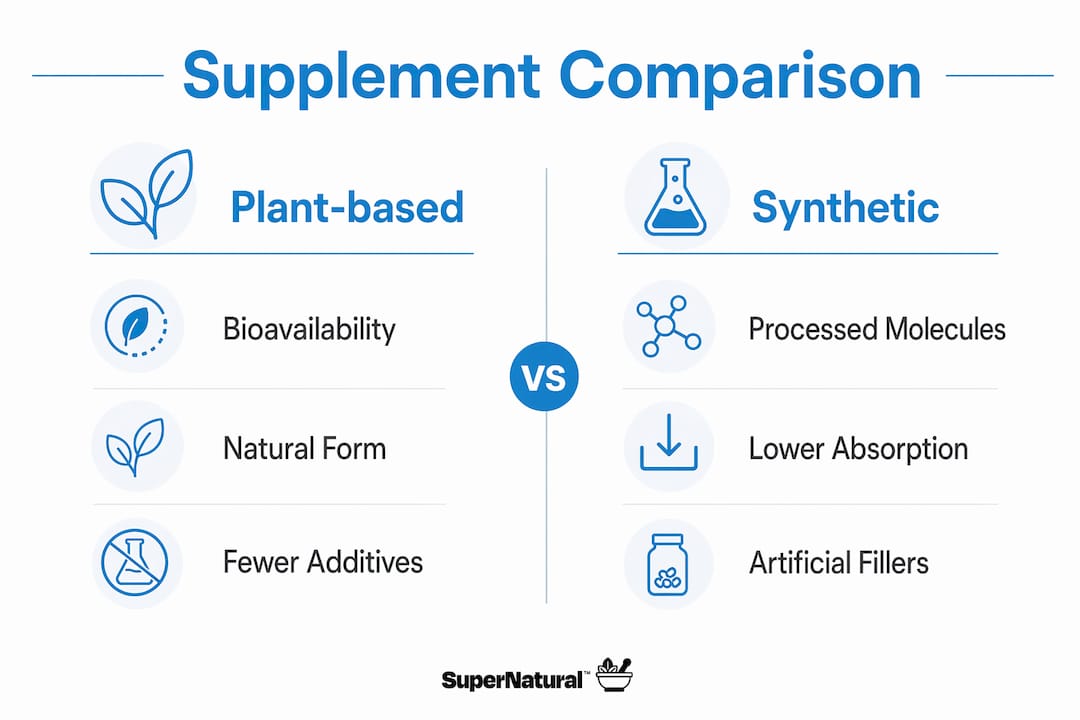
The core difference between plant-based and synthetic supplements comes down to bioavailability and the form of the nutrient delivered. Plant-based supplements typically provide nutrients in forms that more closely mirror what your body encounters from whole foods, which can improve absorption and reduce the risk of imbalances caused by isolated synthetic compounds.
| Feature | Plant-based supplements | Synthetic supplements |
|---|---|---|
| Nutrient form | Whole food or botanical matrix | Isolated chemical compound |
| Bioavailability | Often higher due to natural cofactors | Variable; can be lower without cofactors |
| Safety profile | Generally well-tolerated | Risk of excess with fat-soluble vitamins |
| Consumer preference | Growing rapidly in 2026 | Declining among health-conscious buyers |
| Cost | Typically higher | Often lower |
A common misconception is that synthetic supplements are equivalent because they contain the same molecule. The reality is more nuanced. Folate from food (as 5-methyltetrahydrofolate) is immediately usable by the body, while synthetic folic acid requires enzymatic conversion that a significant portion of the population handles poorly due to MTHFR gene variants. The same logic applies to vitamin E: natural d-alpha-tocopherol from plant sources is retained in the body at roughly twice the rate of synthetic dl-alpha-tocopherol.
Plant-based supplement advantages also extend to what is not in the product. Synthetic supplements often include artificial binders, fillers, and colorants that add no nutritional value. For consumers prioritizing clean labels, this distinction matters.
How to choose and build a plant-based supplement routine
Start with the three nutrients most likely to be insufficient on a plant-based diet: vitamin B12, vitamin D (if blood levels are low), and algae-based omega-3s. These are the foundation. Everything else, including iron, zinc, and iodine, should be added only after blood testing confirms a need.
Follow these steps to build a routine that sticks:
- Get baseline blood work. Test B12, 25-OH vitamin D, ferritin, zinc, and omega-3 index before buying anything. This removes guesswork.
- Verify third-party testing. Look for NSF International, USP, or ConsumerLab seals on any supplement you purchase. These certifications confirm that what is on the label is actually in the bottle.
- Anchor supplements to a daily habit. Take B12 and omega-3s with your largest meal of the day. Fat-soluble nutrients absorb better with food, and pairing supplementation with an existing routine reduces the chance of forgetting.
- Retest every 6 to 12 months. Blood levels shift with seasons, diet changes, and life circumstances. Annual testing keeps your routine calibrated to your actual needs.
- Respect upper limits, especially for vitamin D. Harvard Health warns that vitamin D oversupplementation can cause hypercalcemia, kidney damage, and cardiovascular complications. More is not better with fat-soluble vitamins.
Pro Tip: If you are new to supplementation, start with B12 and an algae omega-3 for 90 days before adding anything else. This gives you a clean signal on how your body responds and avoids the confusion of introducing multiple variables at once.
For a broader view of how supplements support overall wellness, the principle of targeted, evidence-based use applies across every category.
Key takeaways
Plant-based supplements are most effective when used to fill specific, confirmed nutrient gaps rather than taken broadly as a wellness insurance policy.
| Point | Details |
|---|---|
| B12 is non-negotiable | Vitamin B12 is absent from plant foods and must be supplemented to prevent nerve and cognitive damage. |
| Algae omega-3s beat ALA conversion | Algae-derived DHA and EPA deliver preformed omega-3s that plant ALA sources cannot reliably provide. |
| Curcumin bioavailability matters | Standard curcumin absorbs poorly; patented processes like BioSoluble® Curcumin™ significantly improve efficacy. |
| Test before you supplement | Blood testing for B12, vitamin D, and omega-3 index prevents both deficiency and oversupplementation. |
| Diet and supplements work together | Plant-based diets reduce CRP by 1.13 mg/L; targeted supplements amplify these anti-inflammatory results. |
Our perspective on strategic supplementation
We have spent years researching why so many people who eat well still feel like something is missing. The answer, almost without exception, comes back to a handful of specific nutrients that plant-based diets simply cannot guarantee. B12 and long-chain omega-3s are not optional extras. They are structural requirements for brain function, nerve health, and immune regulation.
What we have learned is that the biggest mistake people make is treating supplementation as an all-or-nothing decision. Either they take nothing because “they eat healthy,” or they take 15 different products without knowing whether any of them are working. Neither approach serves you well.
The smarter path is targeted supplementation based on confirmed needs, using products with verified bioavailability and third-party testing. Whole foods provide the foundation. Supplements close the gaps that even the best diet leaves open. When you combine a genuinely plant-forward diet with precise, evidence-based supplementation, the results on inflammation, focus, and energy are measurable and real.
— SuperNatural
Discover SuperNatural’s plant-based supplement line
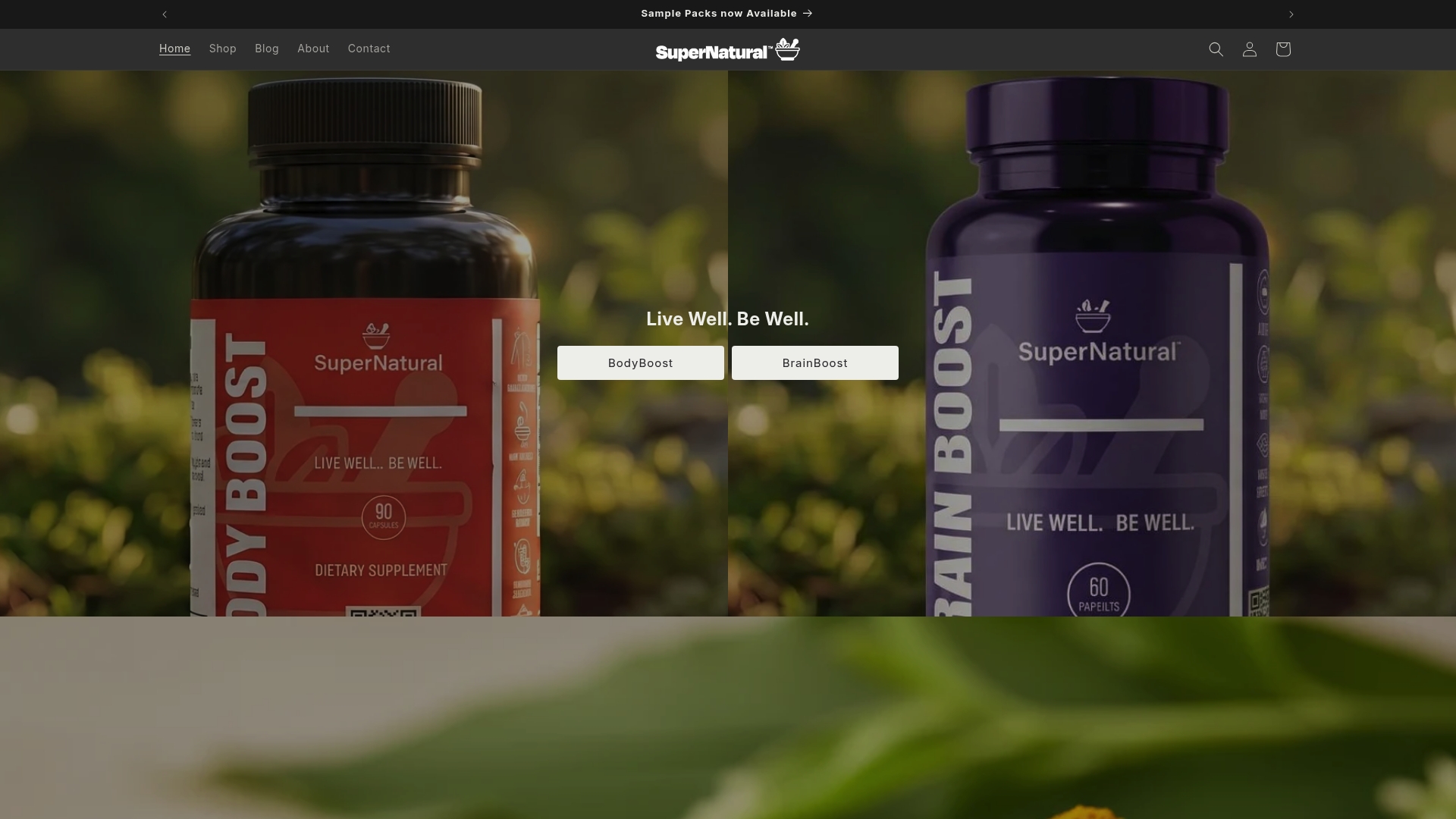
SuperNatural Supplements was built on one core belief: that absorption determines results. Our patented BioSoluble® Curcumin™ delivers curcuminoids at significantly higher bioavailability than standard curcumin, making it one of the most effective plant-based anti-inflammatory supplements available. For cognitive support, BrainBoost is formulated specifically for focus, mental clarity, and brain health using natural plant-based ingredients. And BodyBoost supports immune function with a clean, plant-derived formula designed for daily use. Every product is built on the same standard: real ingredients, verified absorption, and transparent labeling. If you are ready to supplement with purpose, SuperNatural is where to start.
FAQ
What nutrients do plant-based supplements most commonly provide?
The most critical plant-based supplement advantages target vitamin B12, algae-derived DHA and EPA omega-3s, and vitamin D. These three nutrients are either absent from plant foods or present in forms the body cannot efficiently use.
How quickly does B12 supplementation improve symptoms?
Harvard Health reports that B12 deficiency symptoms can improve within days of starting supplementation in people who can absorb it orally. Those with absorption issues may require intramuscular injections every one to three months for ongoing correction.
Are plant-based supplements better than synthetic ones?
Plant-based supplements typically offer higher bioavailability because nutrients are delivered in forms that more closely match whole food sources. Synthetic versions can be effective but often lack the natural cofactors that improve absorption and utilization.
Can supplements reduce inflammation on their own?
Supplements like curcumin and algae omega-3s support a healthy inflammatory response, but the strongest results come when they are used alongside a plant-based diet. A meta-analysis found that plant-based diets reduce CRP by approximately 1.13 mg/L, with supplements serving as an effective adjunct.
How do I know which plant-based supplements I actually need?
Blood testing is the most reliable method. Test for B12, 25-OH vitamin D, ferritin, and omega-3 index before starting any supplement routine. This approach, recommended by Northwell Health and plant-based nutrition specialists, prevents both deficiency and unnecessary oversupplementation.
This article is provided for educational and informational purposes only and does not constitute providing medical advice or professional services. Always consult with a qualified and licensed physician or other medical care provider. Statements have not been evaluated by the Food & Drug Administration. This product is not intended to diagnose, treat, cure, or prevent any disease.